Selecting the Optimal Garage Door Bottom Seal for Performance & Durability


Published: Nov 4, 2026

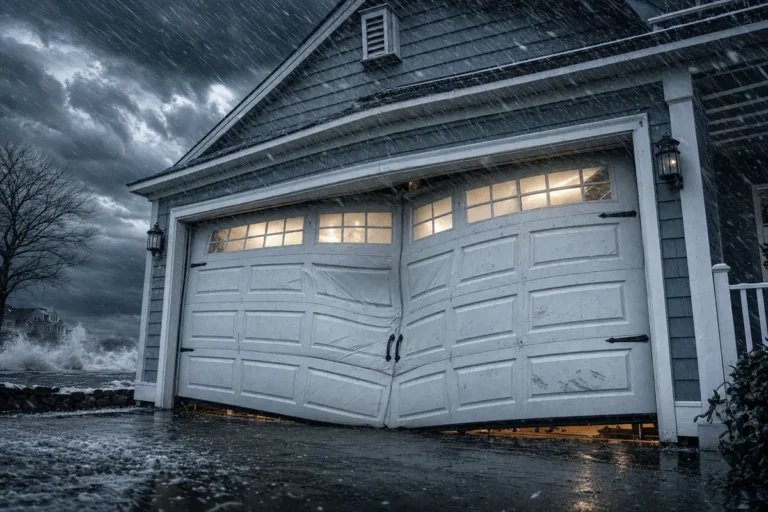
When evaluating garage door bottom seal replacements, property owners often run into significant decision fatigue. Conflicting profile descriptions, incompatible track dimensions, and misleading “universal fit” labels lead to high return rates and immediate product failure. The main point of breakdown during weather seal upgrades is rarely the physical installation—it is fitment and specification error. Installing an improper seal profile creates gaps that let in cold drafts, standing water, and pests while placing unnecessary strain on your garage door system.

According to studies by the U.S. Department of Energy, uninsulated or poorly sealed garages account for 15% to 20% of total thermal air leakage in attached homes. In winter, an unsealed bottom joint allows cold air to lower adjacent interior room temperatures by 5°F to 12°F. Selecting the right bottom seal system eliminates draft paths, shields against concrete moisture, and protects your mechanical investment.
Decode Your Garage Door Bottom Retainer: The Fitment Blueprint


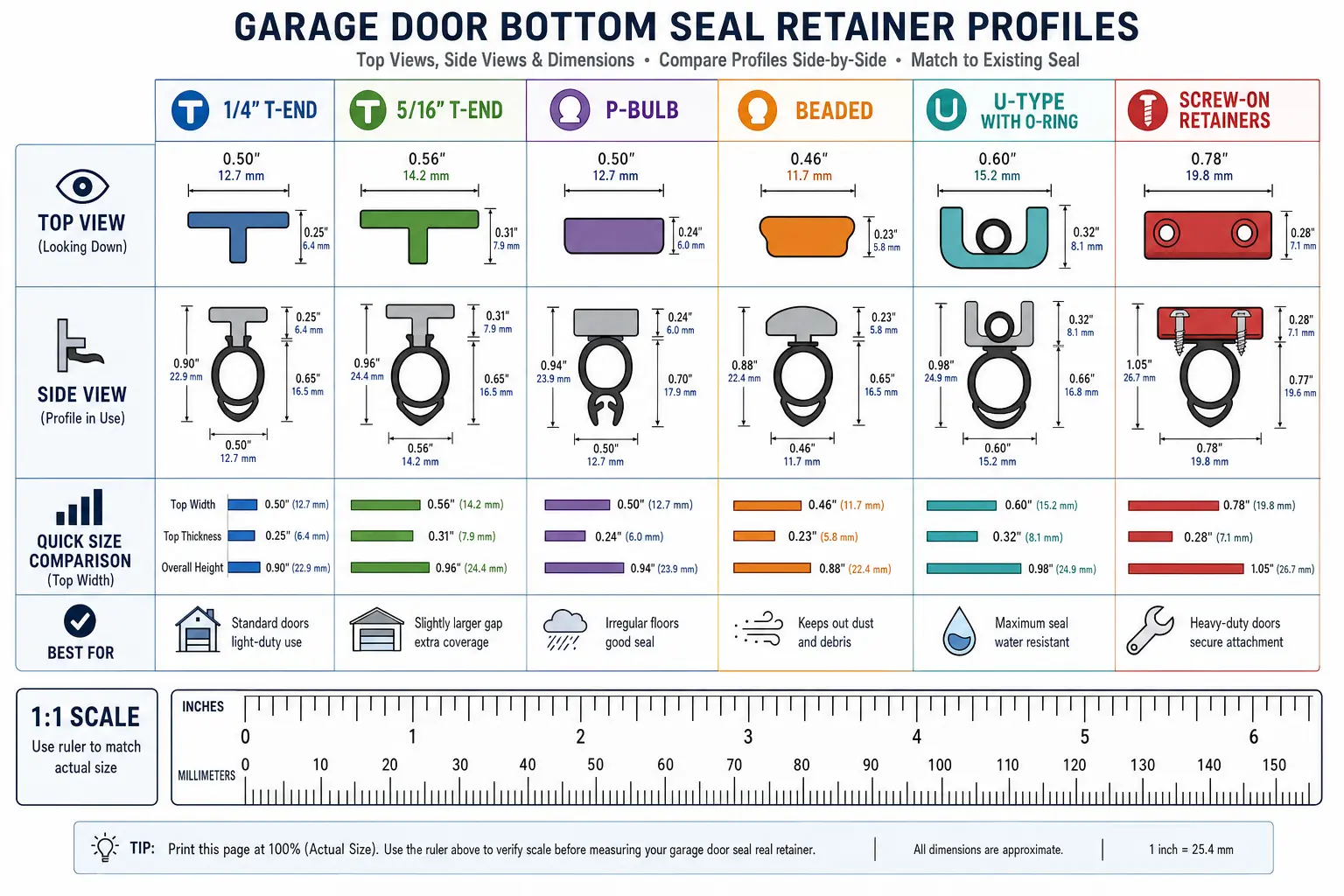
Before selecting material compositions or oversized bulb styles, you must identify the physical mounting channel on the bottom edge of your garage door. Different manufacturers utilize specific retainer geometries, meaning a single generic insert will not slide into every door.

Visual blueprint of common garage door bottom seal retainers enables precise physical fitment identification, eliminating purchase errors due to incompatible retainer tracks.

Reviewing specific garage door bottom seal types helps narrow your match:

  • T-End Seals: Feature T-shaped tabs sliding into single or dual aluminum tracks. Standard widths measure 1/4″ or 5/16″.
  • P-Bulb Seals: Utilize a round bulb on top of a single vertical P-shaped stem, engineered specifically for brands like Overhead Door and Genie.
  • Beaded Seals: Feature 3/16″ round bead edges that slide into round channel slots, commonly found on residential doors like Wayne Dalton.
  • J-Type & U-Type Profiles: Form a protective U-shape loop under the door when both T-ends are threaded into a double-track bottom retainer.
  • Retainer Conversion Kits: Screw-on or nail-on aluminum tracks installed on flat wooden doors or corroded steel bottom rails to adapt modern rubber seals.
Still stuck? Get it fixed today.
24/7 emergency service from licensed local technicians.
Call (860) 362-3018

Evaluate Concrete Slab Deflection: Uneven Floor Solutions


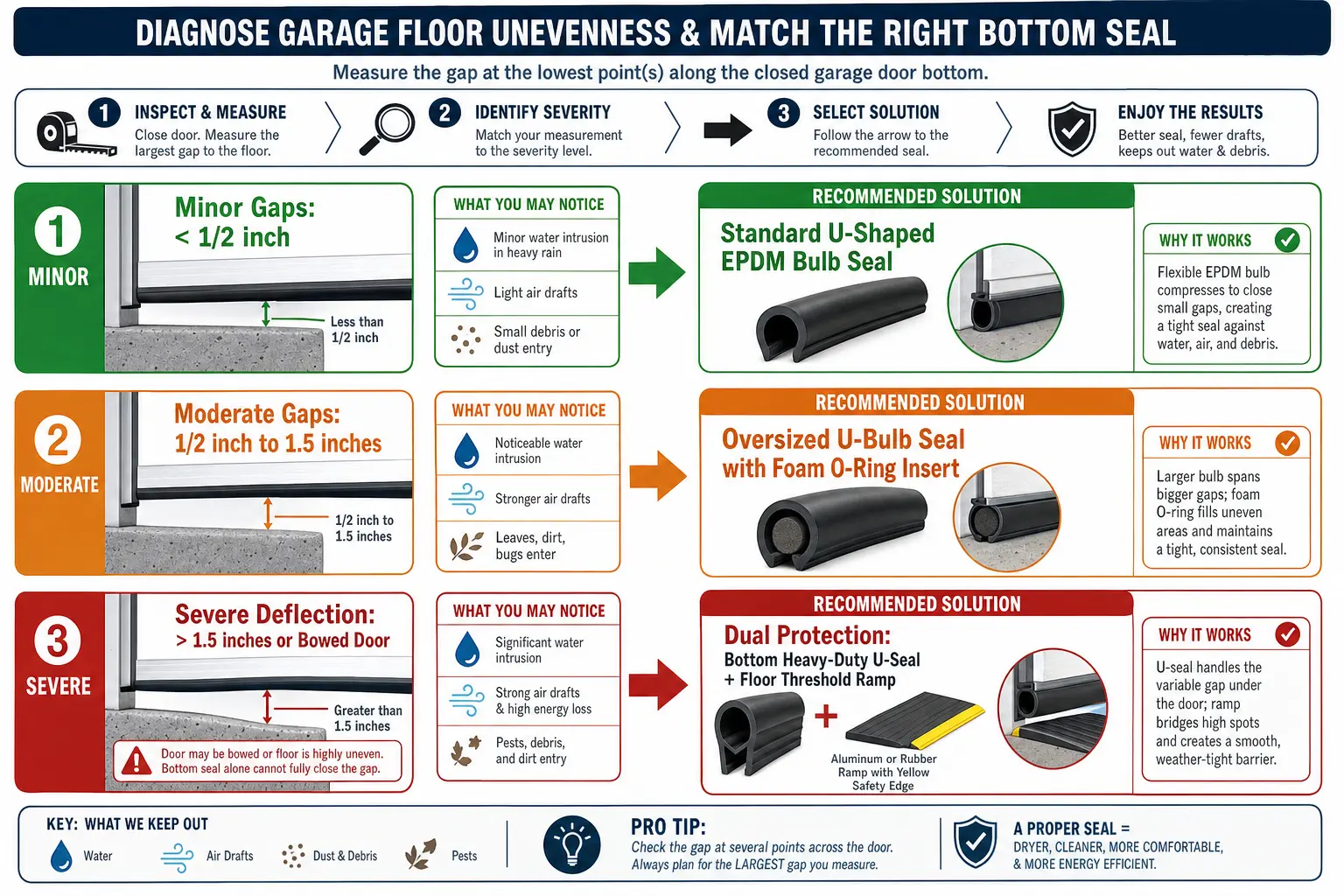
A bottom seal must compensate for floor variations across the entire width of your opening. Concrete slabs settle, crack, and pitch, creating uneven gaps that standard flat sweeps cannot close.

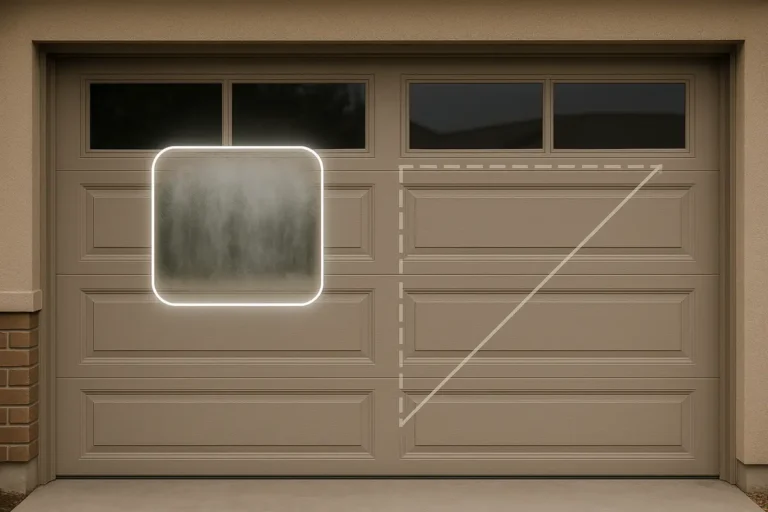
Stepwise guide to evaluating floor deflection severity and choosing the right garage door bottom seal system prevents air, water, and pest infiltration effectively on uneven surfaces.

Finding the best garage door bottom seal for uneven concrete depends on measuring your maximum gap depth when the door is fully closed:

  • Minor Gaps (Under 1/2 Inch): A standard U-shaped rubber bulb seal compresses evenly across small floor imperfections to block wind and rain.
  • Moderate Deflection (1/2 Inch to 1-1/2 Inches): An oversized 4-inch to 6-inch U-bulb equipped with an internal foam sponge tube (O-ring core) maintains upward pressure without collapsing flat.
  • Severe Deflection (Over 1-1/2 Inches): A dual system works best here—pair a heavy-duty bottom seal with a floor-mounted EPDM threshold ramp to prevent water in garage entry during heavy rainfall.

Material Physics and Climate Performance


Material composition dictates how your seal performs under environmental stress. Budget vinyl (PVC) seals stiffen when temperatures drop below 32°F, losing over 60% of their flexibility and causing rigid air gaps. PVC also suffers up to 40% permanent compression fatigue within 24 months, leaving it permanently flattened.

For long-term energy savings and perimeter sealing, pair your bottom seal with complete garage door weather stripping. Choosing 100% EPDM rubber or TPE (Thermoplastic Elastomer) delivers distinct physical advantages:

  • 100% EPDM Rubber: Retains flexibility down to -40°F and resists heat up to 240°F. ASTM D395 testing proves EPDM maintains over 85% rebound elasticity after 10+ years of daily cycling.
  • TPE Hybrid Composites: Combine rubber flexibility with enhanced UV resistance, preventing cracking under harsh afternoon sun exposure.
  • Thermal Envelope Alignment: High-performance bottom seals complement your garage door’s overall garage door r value by eliminating air infiltration at floor level, maximizing energy savings from professional garage door insulation.

Rodent Exclusion Technology: Stopping Chew-Through Damage


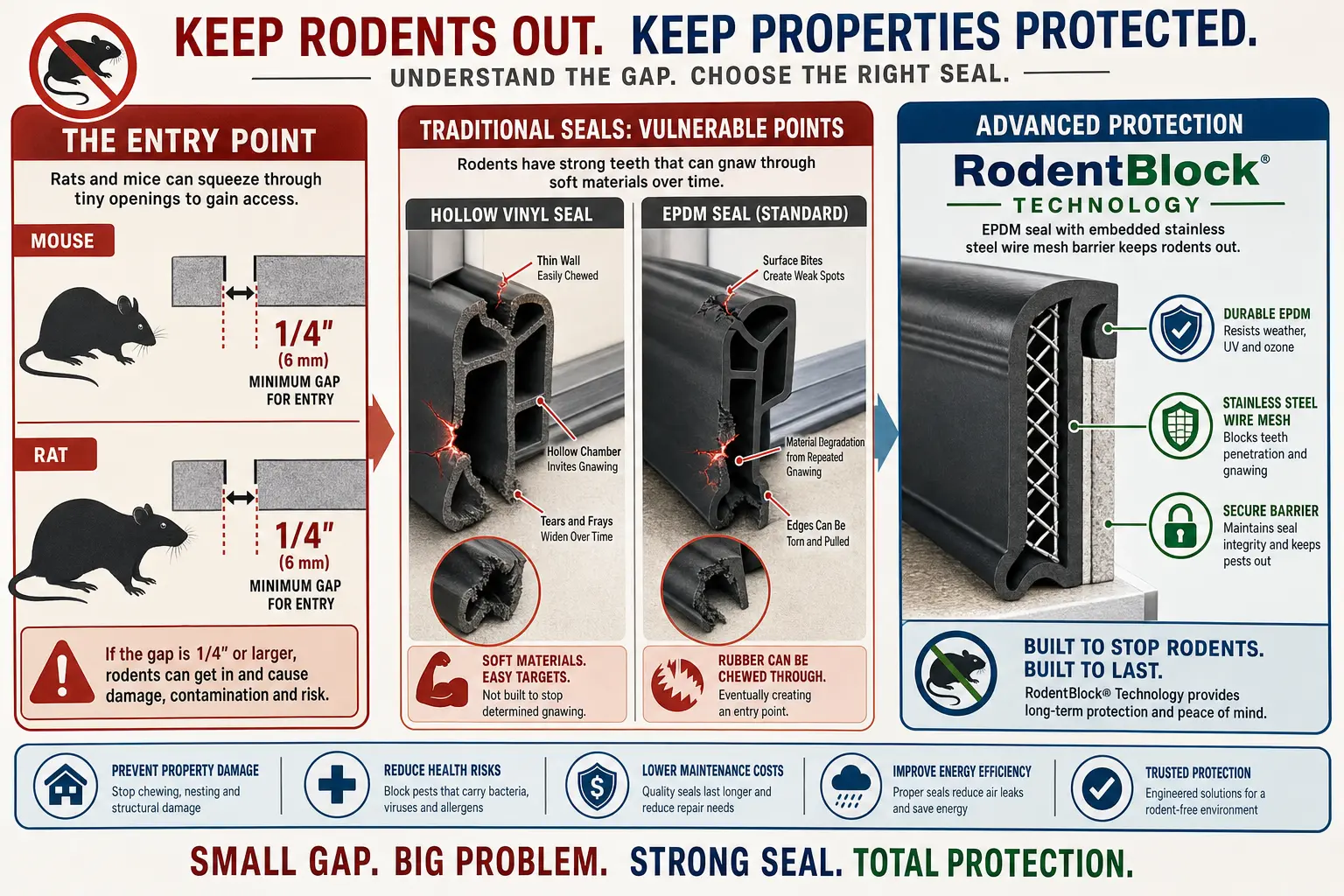
House mice need a gap of only 1/4 inch (6.35 mm) to slip into a garage. Standard vinyl and basic EPDM rubber seals can be gnawed through in less than 24 to 48 hours if rodents seek warmth or food inside.

Visualizing how rodents penetrate garage seals and how wire mesh-reinforced EPDM seals protect against damage aids memory retention of pest proofing benefits.

Preventing pest entry requires purpose-built hardware integration:

  • Steel Mesh Co-Extrusion: Integrated barrier seals (such as RodentBlock or Xcluder) embed coarse stainless steel wire mesh inside vulcanized EPDM rubber. Rodents cannot chew through the embedded steel wire mesh.
  • Internal Hardware Protection: Halting pests at the perimeter protects interior equipment from costly repairs, such as fixing rodent chewed sensor wires.
  • Retainer End Crimping: Always crimp the metal track ends slightly and insert rubber end plugs to stop rodents from nesting inside the hollow seal loop.

Opener Motor Strain and Installation Calibration


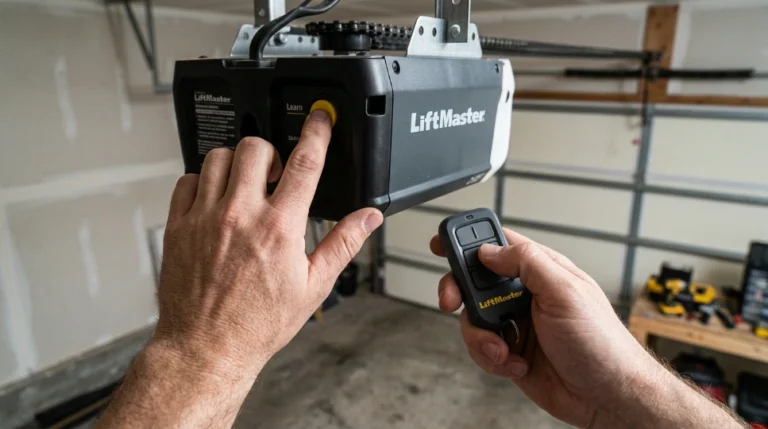
A bottom seal must cushion door contact without creating extreme downward resistance. If an oversized bulb is squeezed too tightly against the floor, the added friction tricks the automatic opener into sensing an obstacle. This causes severe mechanical strain or causes your system to fail safety tests, where the garage door reverses before hitting the floor. Choosing the correct seal thickness ensures complete surface sealing while keeping your opener running smoothly.

Frequently Asked Questions


How do I measure my existing bottom seal retainer track accurately?

Slide out a short piece of your current rubber seal and measure the top edge width. A T-end tab measures either 1/4 inch or 5/16 inch across the top flat portion. If your track features a single channel slot instead of two parallel grooves, measure the slot opening width and profile shape (such as a P-bulb or 3/16 inch bead) before ordering a replacement insert.

Why does my new garage door bottom seal prevent the door from locking or closing fully?

New EPDM rubber and vinyl seals require a brief break-in period to form to your floor contour. If the door reverses or stops before closing, your seal may be too thick for your track height setting, or the opener limit switches need micro-adjustments. Adjusting the downward travel limit slightly gives the seal proper clearance to compress naturally.

Is an aluminum retainer track replacement necessary when upgrading bottom weather seals?

You only need to replace the aluminum retainer track if your existing rail is bent, corroded, or missing. Retainer replacement is also recommended if your door has an obsolete seal shape that is no longer manufactured. Installing a standard dual-track aluminum retainer allows you to upgrade to modern, high-performance T-style EPDM seals easily.

Contact / Request a Call