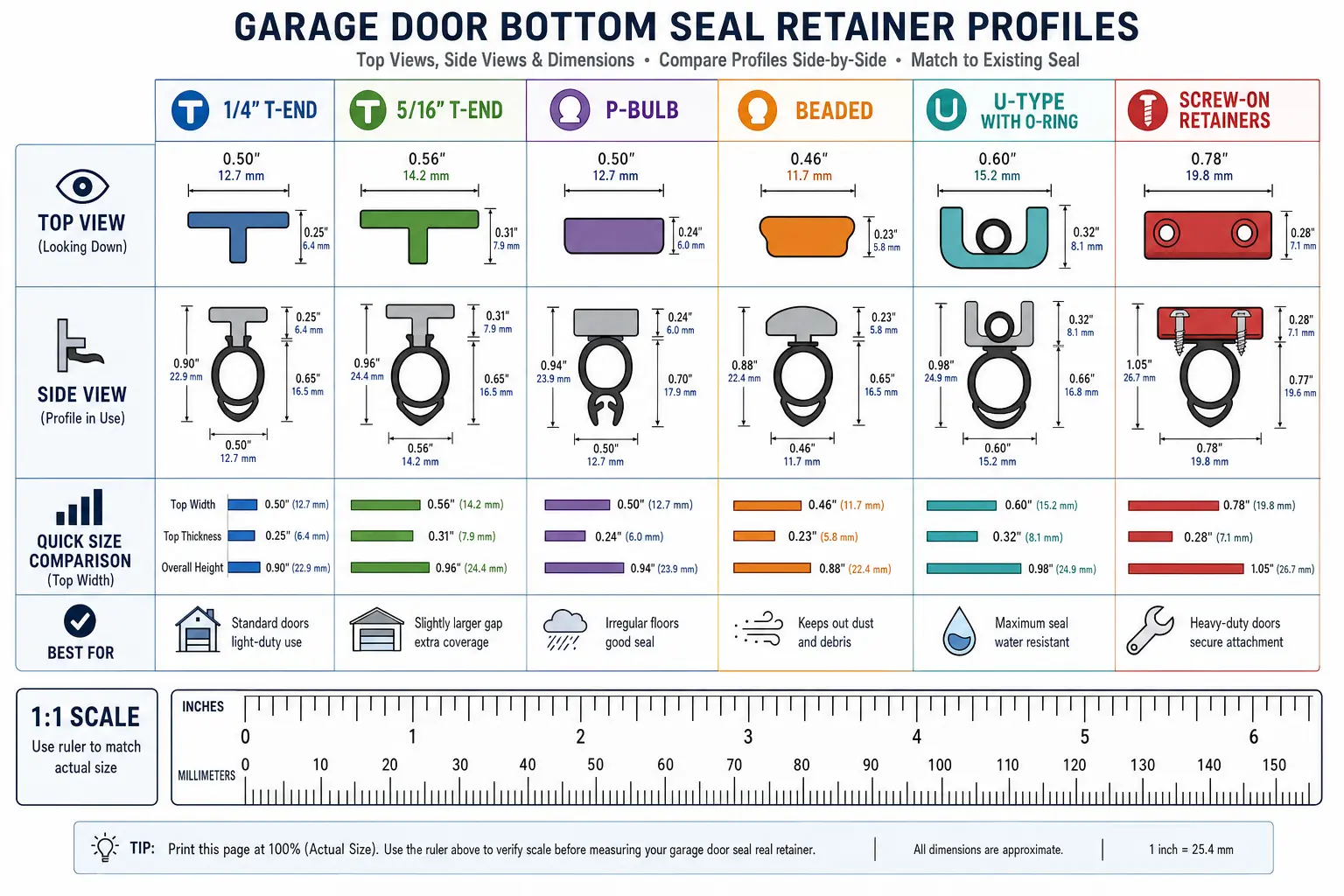
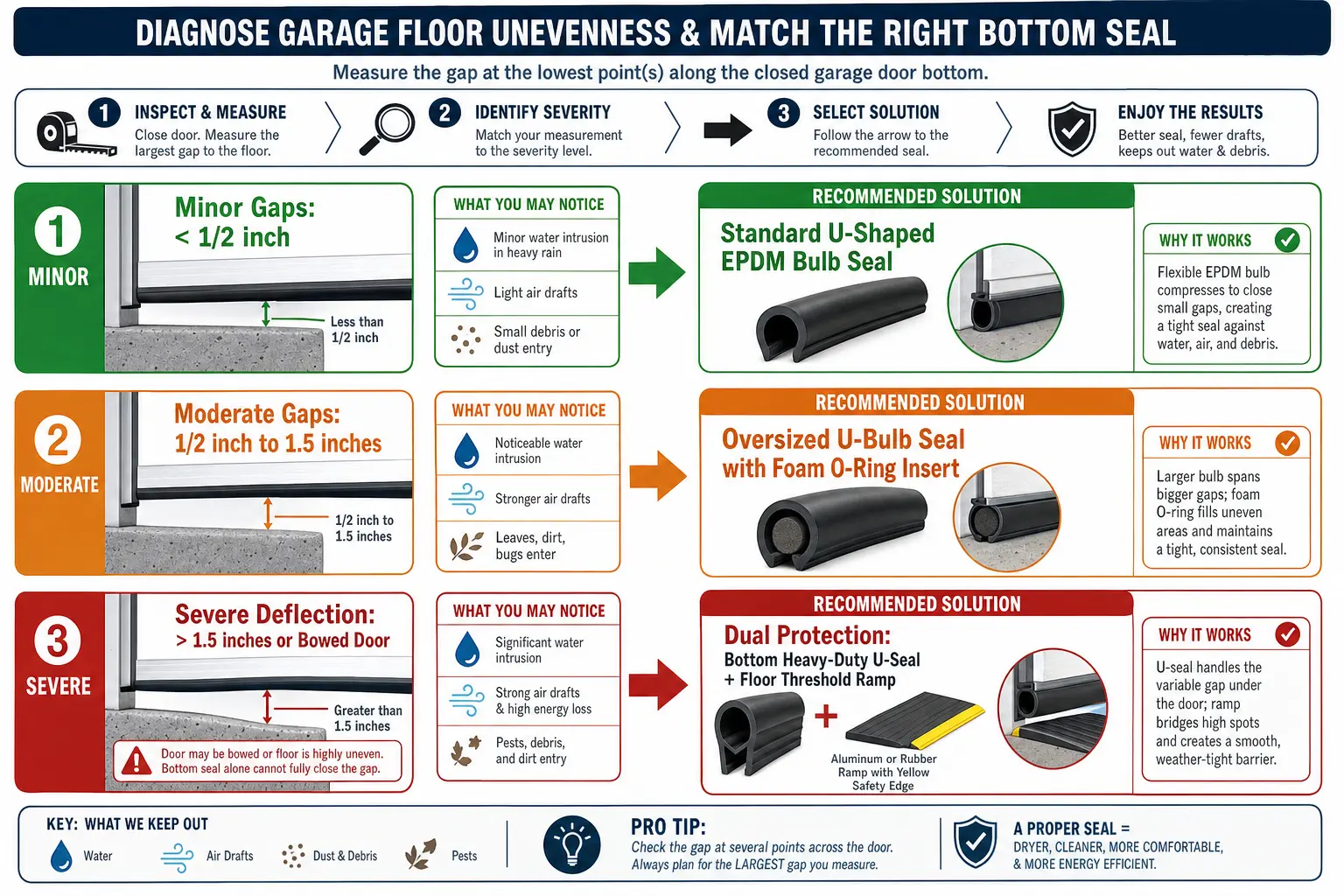
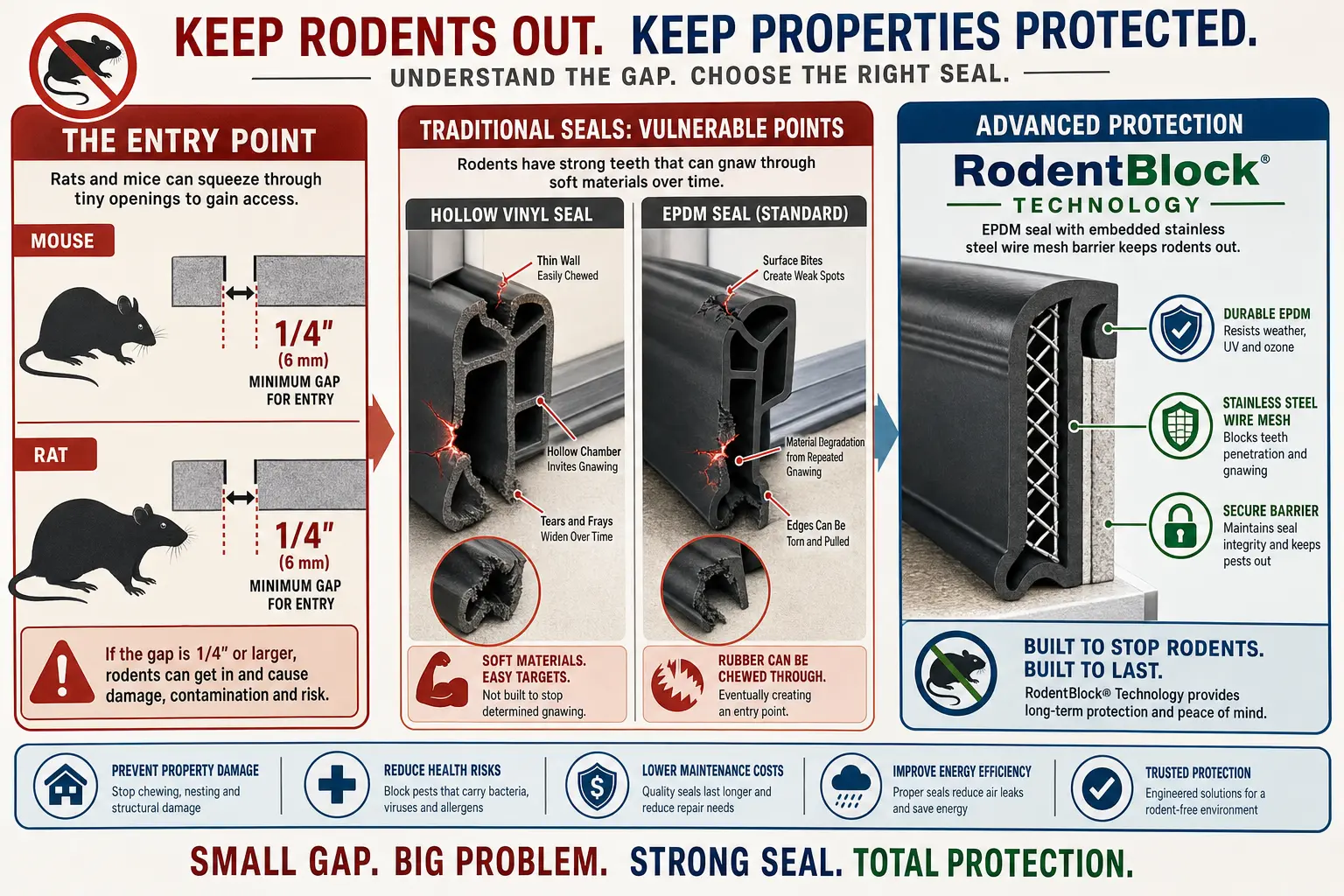
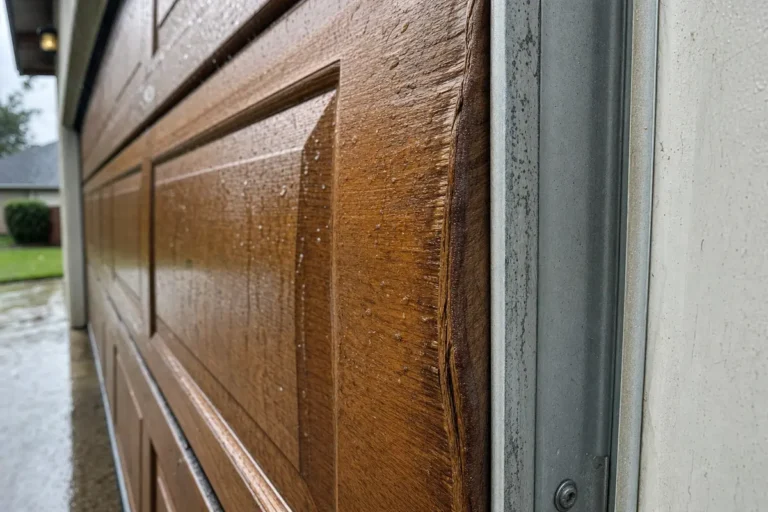
When evaluating garage door bottom seal replacements, property owners often run into significant decision fatigue. Conflicting profile descriptions, incompatible track dimensions, and misleading “universal fit” labels lead to high return rates and immediate product failure. The main point of breakdown during weather seal upgrades is rarely the physical installation—it is fitment and specification error. Installing an improper seal profile creates gaps that let in cold drafts, standing water, and pests while placing unnecessary strain on your garage door system.
According to studies by the U.S. Department of Energy, uninsulated or poorly sealed garages account for 15% to 20% of total thermal air leakage in attached homes. In winter, an unsealed bottom joint allows cold air to lower adjacent interior room temperatures by 5°F to 12°F. Selecting the right bottom seal system eliminates draft paths, shields against concrete moisture, and protects your mechanical investment.