5 Reasons Why Your Garage Door Won't Close
Published: Jul 6, 2026
It has been a long day, you pull into the driveway, press the remote, and... nothing. The garage door refuses to close, leaving your home and belongings exposed. It is incredibly frustrating, but before you panic or assume you need to buy a whole new system, know that this is one of the most common issues homeowners face.
In most cases, a door that won't close is simply a safety mechanism doing its job perfectly—or a minor alignment issue you can fix in minutes. Here is exactly what to look for and how to secure your garage fast.
Why Is My Garage Door Suddenly Refusing to Close
Modern garage doors are heavy pieces of machinery designed with strict safety protocols. If the system detects any resistance, blockage, or component failure—such as weather stripping interference—it will automatically reverse or refuse to close to prevent property damage or severe injury. Instead of forcing the door down, you need to identify what is triggering the safety override.
5 Common Culprits Preventing Your Garage Door From Closing
1. Misaligned or Blocked Safety Sensors
Since 1993, all automatic garage doors have been required to have photo-eye safety sensors. Located about six inches above the ground on either side of the door, these sensors shoot an invisible beam across the opening. If that beam is broken, the door will not close.
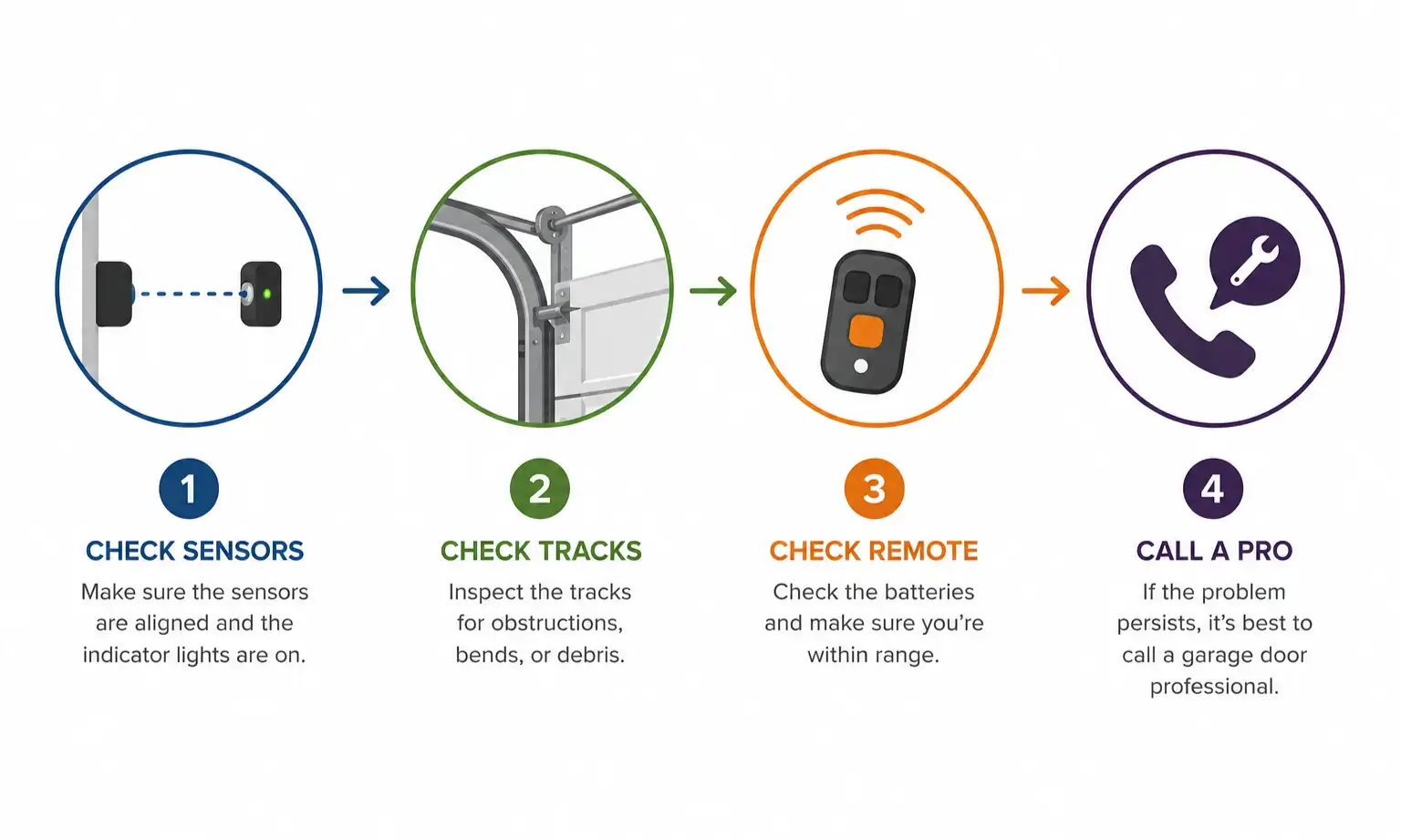
The Fix: First, check for obvious blockages like a stray broom, a trash can, or packed snow. Next, wipe the sensor lenses with a clean microfiber cloth to remove dust or spider webs. Finally, check the small LED indicator lights on the sensors. If one is blinking or off, the sensors are misaligned. Gently loosen the wingnut and adjust the sensor by hand until the light is solid, then tighten it back up.
2. Your Garage Door Tracks Are Dirty, Blocked, or Bent
The rollers on your garage door need a smooth, unobstructed path to travel down. If you notice signs of failing rollers, or if dirt, rocks, or hardened grease build up in the metal tracks, the door will bind and the opener will reverse direction.
The Fix: Take a flashlight and carefully inspect the tracks from ceiling to floor. Sweep out any debris and wipe the tracks down with a damp rag. Do not use heavy grease in the tracks, as it attracts more dirt. If you notice the metal is warped, dented, or completely out of alignment, do not attempt to hammer it back into place. Bending the metal weakens it and can cause the heavy door to fall. Instead, contact a professional for bent track repair.
3. The Opener’s Travel Limits Are Set Incorrectly
Your garage door opener has internal settings that tell the motor exactly how far to travel before the door is fully closed. Over time, vibration and weather changes can throw these settings off. If the door goes all the way down, lightly taps the concrete floor, and immediately reverses back up, your travel limits are likely set too high.
The Fix: Grab a step ladder and locate the "Travel" or "Limit" adjustment screws (or buttons, depending on the model) on the side or back of the motor housing. Turn the "Down" limit screw slightly counterclockwise to decrease the downward travel distance. Test the door, and adjust in small increments until the door closes and stays shut.
4. Worn, Frayed, or Broken Garage Door Cables
The thick steel cables running alongside your door work in tandem with the heavy-duty springs to lift and lower the door smoothly. If damaged garage door cables causes one to snap or become slack on one side, the door will sit crooked, jam in the tracks, and refuse to close.
The Fix: Inspect the cables visually. Are they fraying? Is one hanging loosely while the other is taut? Do not touch them. These cables are under immense, dangerous tension. If a cable is compromised, immediately stop using the door and schedule an expert cable repair to safely restore the system.
5. Your Garage Door Remote is Malfunctioning
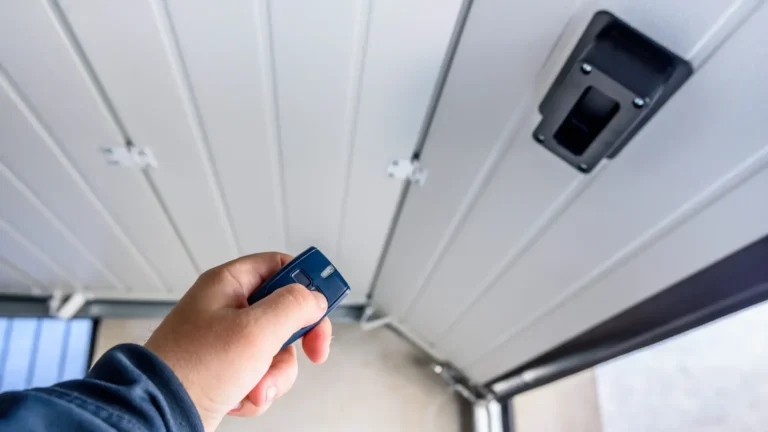
Sometimes the problem isn't the door at all; it's the device you are using to command it. Dead batteries, signal interference, or an accidentally engaged "Lock" mode on the wall panel can mimic a broken garage door motor.
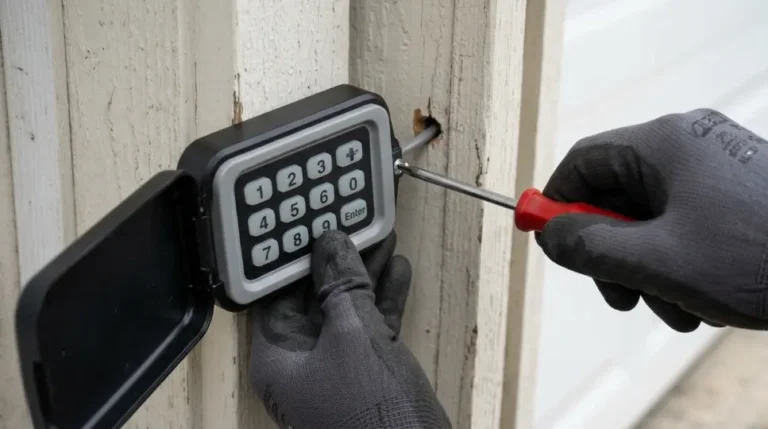
The Fix: First, try closing the door using the hardwired wall console inside the garage. If the wall console works but the remote doesn't, swap the batteries in your remote. If the wall console also doesn't work, check to see if the "Lock/Vacation" button has been activated by mistake, which disables all wireless signals.

How to Safely Close Your Garage Door Manually During an Emergency
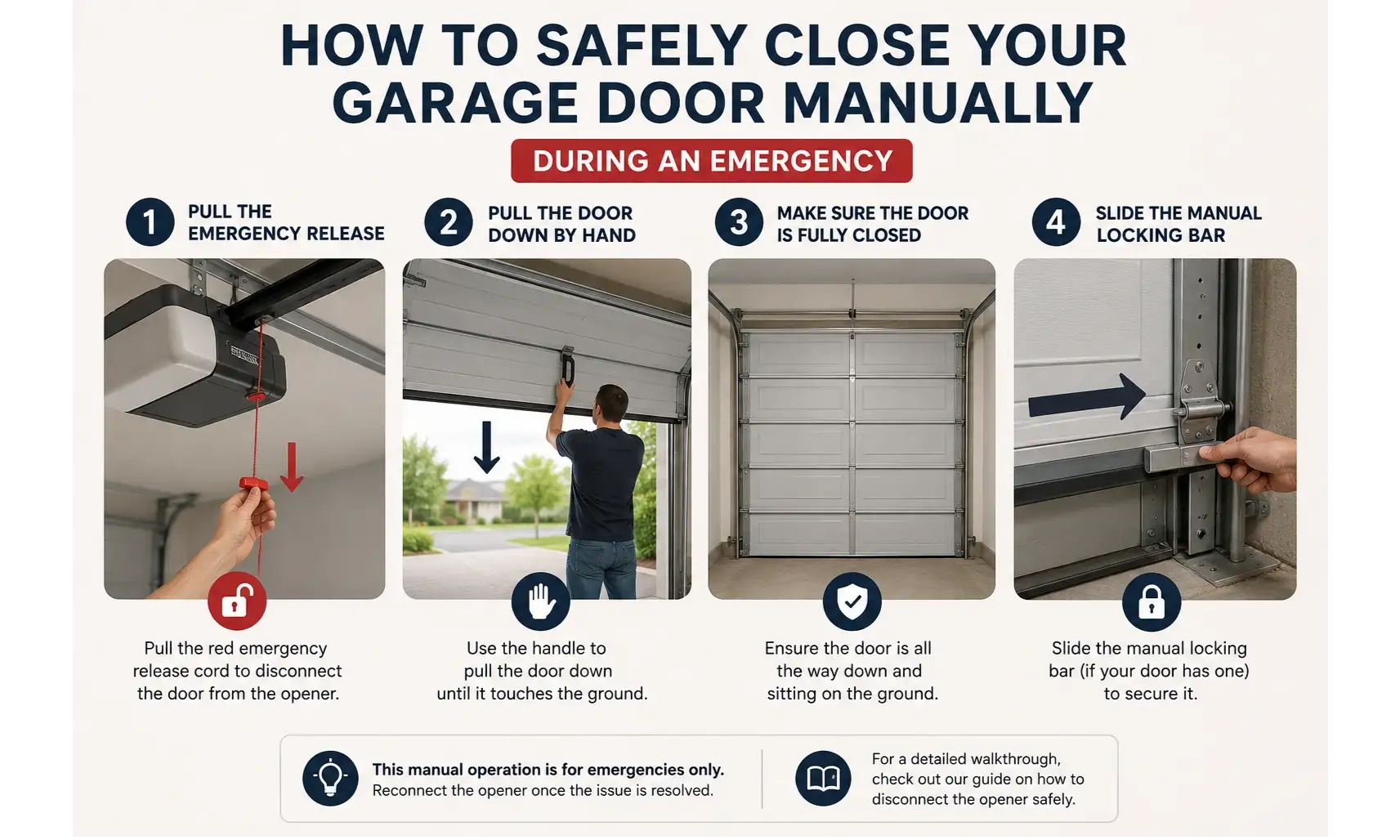
If you have gone through the troubleshooting steps and the door still refuses to close electronically, you need to secure your home for the night. You can bypass the motor entirely and close the door by hand.
Pull the red emergency release cord hanging from the trolley track overhead—though this depends on whether you have an internal or external door release system. This disconnects the door from the opener mechanism. Once disconnected, physically pull the door down by the handle until it touches the ground. Once closed, you can slide the manual locking bar (if your door has one) to secure it. For a detailed walkthrough, check out our guide on how to disconnect the opener safely.
When to Stop DIYing and Call a Garage Door Professional
While wiping down sensors or changing remote batteries are easy DIY fixes, garage doors are massive moving walls that weigh hundreds of pounds. You should immediately call a professional if:
• You hear a loud "bang" (indicating a snapped torsion, often lead by factors that causes a garage door spring to break).
• The door is hanging off the tracks or looks visibly crooked.
• Cables are frayed, snapped, or loose.
• The motor is making grinding noises or smoking.
Attempting to fix high-tension springs or cables yourself can result in severe injury. If you are in the area and need fast assistance, rely on our repair services to get an experienced technician to your home quickly and safely.
Frequently Asked Questions (FAQ) About Stubborn Garage Doors
Why does my garage door close halfway and then go back up?
This is almost always caused by an obstruction in the track, misaligned photo-eye sensors, or the door hitting something on the ground. Check the floor and the tracks for debris, and ensure your sensors are pointing directly at each other.
Can weather affect my garage door sensors?
Yes. Direct, blinding sunlight hitting the receiving sensor can trick the system into thinking the infrared beam is broken. Try creating a small shadow over the sensor to see if the door closes. Additionally, severe cold can cause metal tracks to contract, causing the door to bind.
Is it safe to leave my garage door slightly open?
No. Aside from being an open invitation for pests, rodents, and burglars, leaving a garage door partially open puts unnecessary strain on the springs and cables, leading to premature wear and tear.
You may also like