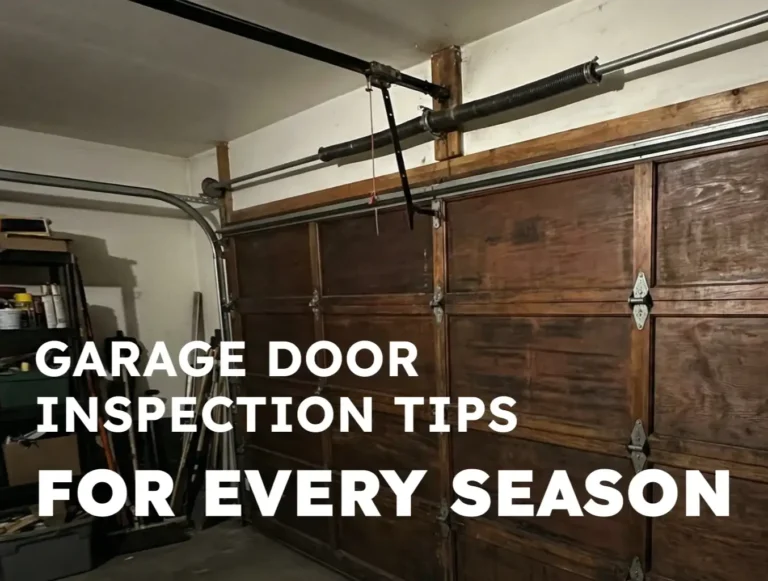
When a commercial jackshaft operator motor hums or spins while the door remains stationary, the friction clutch is actively working—either performing its intended protective role or signaling component wear. Over-tightening the clutch adjustment nut without proper diagnosis is a common pitfall that risks catastrophic equipment failure. Facility managers and maintenance engineers must isolate whether clutch slippage stems from external mechanical resistance or internal friction pad fatigue.
Troubleshooting a Slipping Commercial Jackshaft Operator Clutch
Published: Nov 18, 2026
The Mechanical Anatomy of a Commercial Jackshaft Friction Clutch
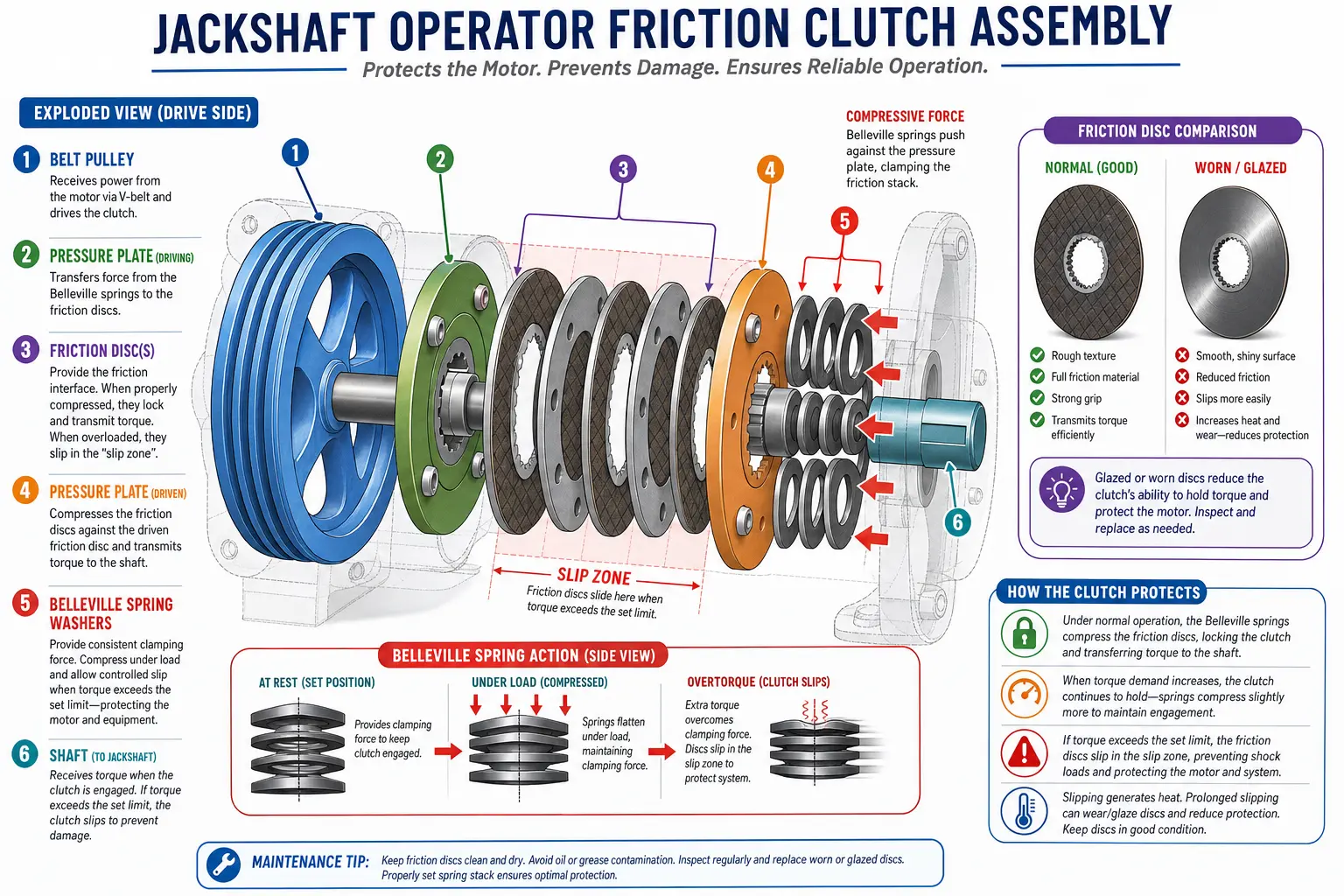
A commercial jackshaft operator friction clutch acts as a mechanical secondary overload defense. Positioned on the drive shaft assembly alongside the v-belt pulley or sprocket, the pack comprises pressure plates, friction discs, and Belleville spring washers. A standard friction disc (such as LiftMaster Part #39-10167) features an outer diameter of 3-15/16 inches, an inner shaft diameter of 3/4 inch, and a factory baseline thickness of 0.125 inches.
The primary function of this assembly is force limitation. Under ul 325 compliance guidelines, the mechanical clutch prevents entrapment hazards by limiting continuous force to under 150 lbs upon striking an obstruction. If door movement meets excessive resistance, the clutch slips to protect motor windings from burning out and to prevent tension cables from snapping.
Still stuck? Get it fixed today.
24/7 emergency service from licensed local technicians.
Step-by-Step Diagnostic Decision Tree: External Door Friction vs. Clutch Wear
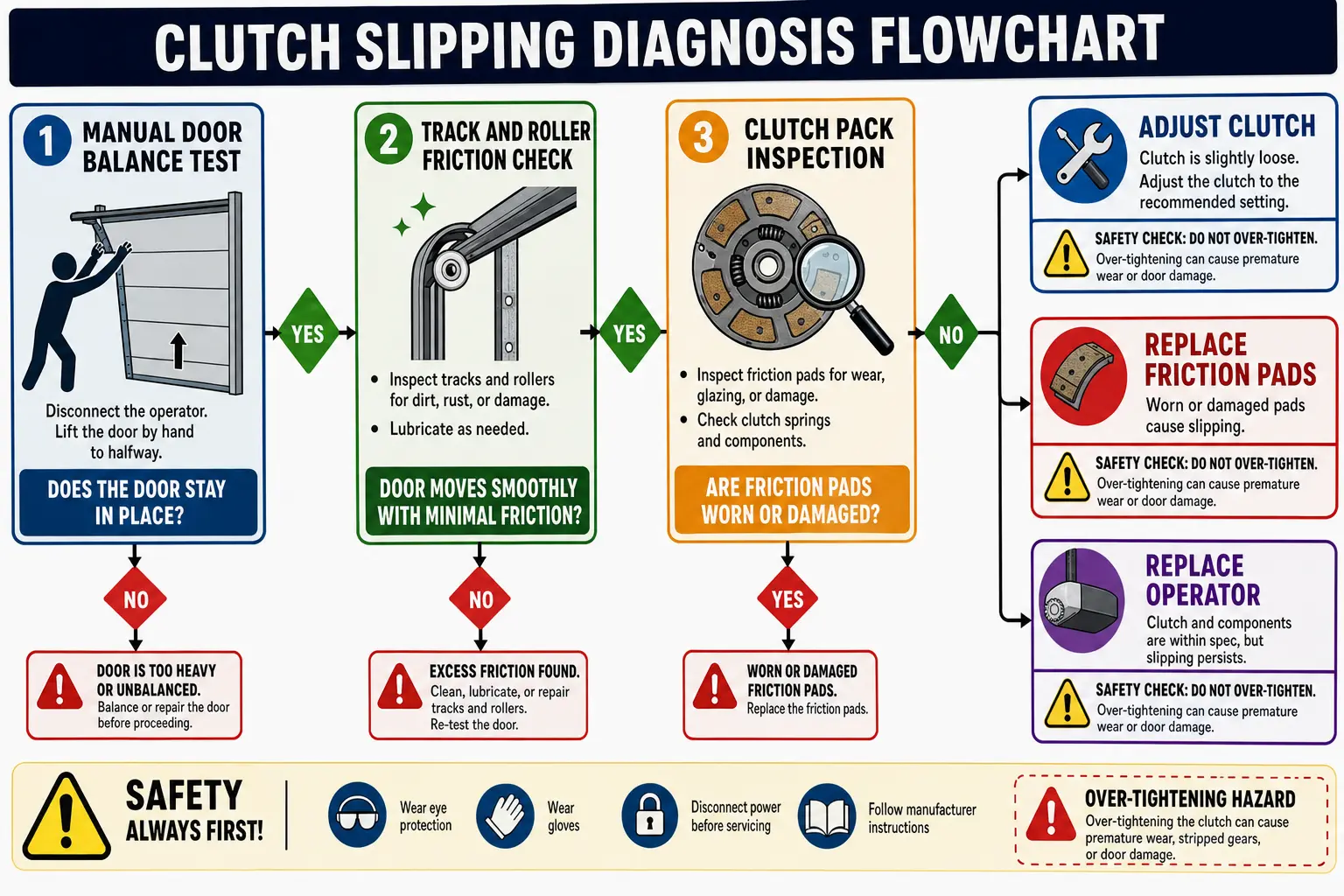
Field service records indicate that over 65% of reported “clutch slipping” incidents are caused by external door system mechanical resistance rather than a defective operator. Cranking down the clutch adjustment nut on a jammed door transfers strain directly to the motor gear case and lift cables.
- Perform a Manual Balance Test: Disengage the operator manual release cable. Raise and lower the door manually. The door should move smoothly and remain stationary at mid-travel. If the door feels abnormally heavy, inspect for fatigue or broken garage door springs.
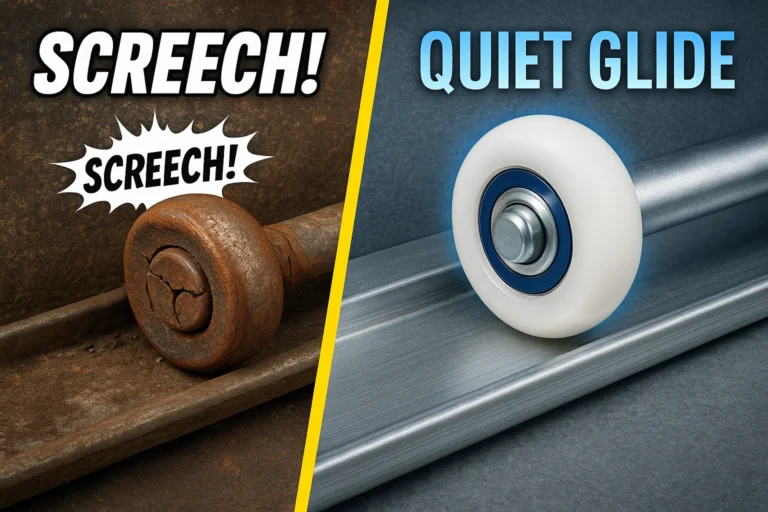
- Inspect Tracks and Rollers: Check the vertical and horizontal track alignment for structural binding, rust, or worn roller bearings. Track obstructions or bent rails require immediate bent track repair before attempting clutch adjustments.
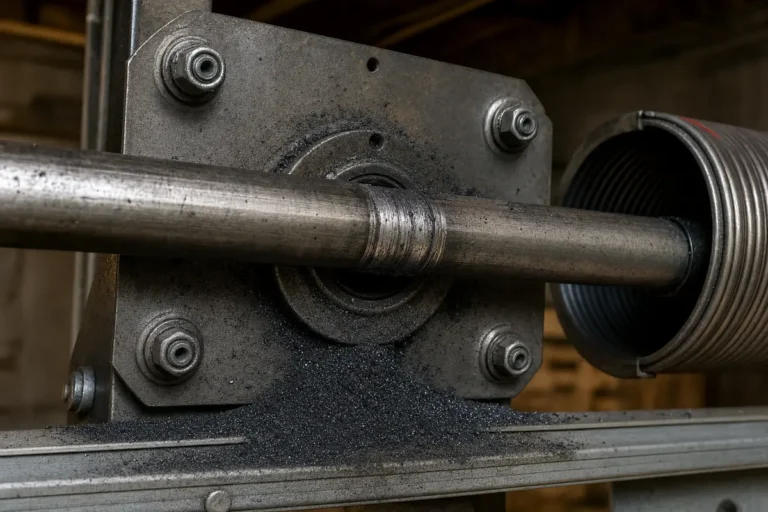
- Evaluate Drive Shaft Drag: Inspect the counter-balance shaft bearings for severe friction or lack of lubrication.
If the door operates freely by hand, the diagnostic focus shifts directly to the operator’s clutch assembly.
Brand-Specific Adjustment Protocols and Safety Tolerances
When manual testing confirms the door system is mechanically sound, inspect and adjust clutch spring tension according to OEM tolerances.
LiftMaster (MJ, MH, J, H Series) and PowerMaster Operators
- Adjustment Procedure: Locate the hex nut on the clutch shaft compressing the Belleville washer. Loosen the lock nut or pull the cotter pin.
- Tension Rule-of-Thumb: Turn the adjustment nut clockwise until it makes contact with the spring washer (finger-tight), then advance it 1/4 to 1/2 turn.
- Operational Check: Test operator cycle under normal door load. The clutch should slip momentarily during soft-starts or obstruction contact but maintain solid drive tension throughout standard travel.
Never bottom out or fully compress the Belleville spring washer. If tightening 1/2 turn beyond finger-tight fails to stop slippage on a balanced door, the friction discs are worn or contaminated. For complex drive configurations, schedule targeted liftmaster garage door repair or general commercial garage door opener repair to restore operational performance.
Component Replacement & Service Guide
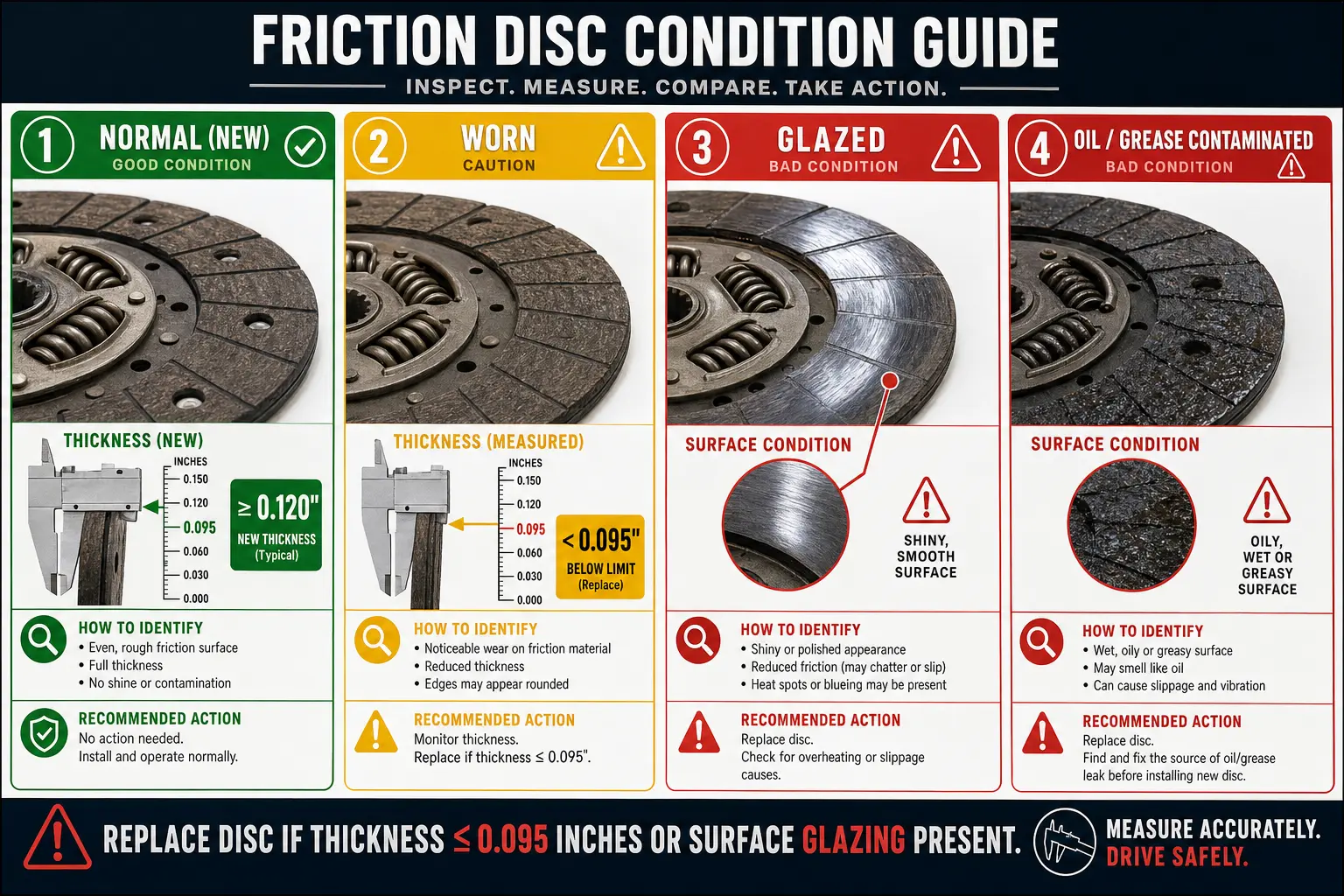
Friction discs degrade over time through thermal stress and mechanical friction.
- Thickness Wear Threshold: Measure friction pad thickness using calipers. A baseline 0.125″ disc worn down by 0.030″ or more requires immediate replacement.
- Surface Glazing and Oil Contamination: Heat glaze creates a smooth, glossy surface across the friction material, reducing the coefficient of friction ($mu$) by up to 40%. Oil or grease contamination similarly prevents proper grip regardless of spring compression depth.
When replacing components, remove the clutch assembly, clean pressure plates using a dedicated degreaser, and install a fresh friction disc kit. Incorporating routine hardware checks into your overall commercial garage door repair routine extends motor longevity and minimizes costly downtime.
Taking Action on Commercial Operator Repairs
Safely diagnosing jackshaft clutch performance requires isolating external door drag from internal operator wear. If your commercial overhead door exhibits slipping clutches, binding tracks, or counter-balance issues, reach out to certified commercial door specialists for precise evaluation, preventive maintenance, and 24/7 service solutions.
Frequently Asked Questions
Can I lock out the friction clutch entirely if the door keeps slipping?
No. Completely tightening or locking out the clutch disables the primary mechanical safety relief. Doing so risks burning out motor windings, stripping drive gears, snapping cables, or creating severe entrapment hazards that violate ANSI/UL safety standards.
How do I know if the clutch pad is glazed or contaminated?
Inspect the disc visually. Glazed pads exhibit a shiny, mirror-like finish caused by excessive thermal slipping under heavy load. Contaminated pads show dark oil or grease absorption. Both conditions drop friction dramatically and require disc replacement and pressure plate degreasing.
When should I repair the clutch kit versus replacing the whole operator?
If the operator motor, gearbox, and logic board are in sound structural condition, replacing the friction disc pack and Belleville washer is a cost-effective solution. However, if the operator exhibits internal gear wear, housing cracks, or chronic control board faults, replacing the entire commercial unit is the more reliable long-term investment.