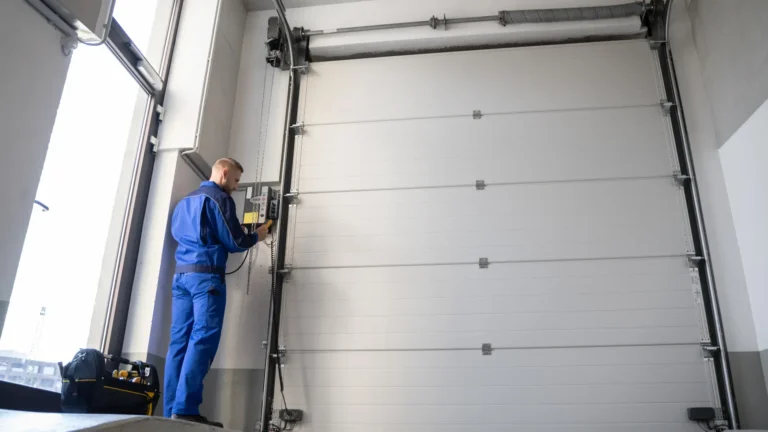
Imagine a massive, 14-foot steel door at a busy loading dock. It’s the lifeblood of the facility, opening and closing dozens of times a day. One morning, it shudders to a halt midway, motor humming ominously. The culprit isn’t a broken spring or a jammed track—it’s an electrical circuit, undersized and overwhelmed, that just gave up.
Getting the electrical setup right for a high-capacity commercial garage door opener isn’t just a technical detail; it’s the foundation of its safety, reliability, and lifespan. Unlike a simple residential opener, these industrial workhorses have power demands that require careful planning.
This guide is your clear, no-jargon resource for understanding the essential electrical specifications. We’ll walk through everything from wire gauge to outlet types, empowering you to ensure your commercial door system is powered for performance from day one.
Wire Gauge and Outlet Types for High-Capacity Garage Door Openers
Published: May 5, 2026 | Updated: Jul 28, 2026
The Core Four: Deconstructing an Opener's Electrical DNA
Before we talk about wires and outlets, let’s get grounded in the four key electrical pillars. Understanding these will make every other decision feel intuitive.
1. Voltage (V): The Electrical “Pressure”
Voltage is the force pushing electricity through the wires. Commercial openers operate at various voltages, and matching the opener to your building’s supply is non-negotiable.
2. Phase (Φ): The Power Delivery Rhythm
Think of phase as the number of power waves hitting the motor.
Single-Phase (1Φ): The standard for homes and light commercial use. It’s like one person pushing a swing.
Three-Phase (3Φ): The standard for industrial machinery. It delivers smooth, consistent power, like three people pushing a swing in perfect rhythm. This results in a longer motor life, higher efficiency, and better starting torque for very heavy doors.
3. Amperage (A): The Electrical “Flow”
Amps measure the volume of electricity flowing to the opener. The motor’s horsepower and voltage determine its amperage draw. This number is critical because it dictates the size of the circuit breaker and the thickness of the wire you’ll need. If you’re wondering how many amps does a 1/2 hp garage door opener use, the principles are the same but scaled up for commercial needs.
4. Horsepower (HP): The Raw Lifting Strength
Horsepower is the most familiar spec, representing the motor’s ability to do work. Commercial openers typically range from 1/2 HP for smaller rolling sheet doors to 5 HP or more for enormous, insulated industrial doors. The bigger and heavier the door, the more horsepower you’ll need. And more horsepower almost always means greater electrical demands.
Building: Matching the Power to the Opener
With the fundamentals down, let’s connect them to the physical hardware. This is where you translate the opener’s needs into a concrete electrical plan.
Step 1: Determine the Right Horsepower
Before you can even think about wiring, you need to know the demands of your door. While there are many factors, a good starting point is understanding what size garage door opener do i need for your door’s dimensions and weight. For commercial applications, you must also consider:
Step 2: Choose Voltage and Phase
Consult the manufacturer’s specifications for your chosen opener model. They will state the required voltage and phase. If your facility has three-phase power available, it’s almost always the better choice for openers 1 HP and up due to its efficiency and motor longevity.
Step 3: Select the Correct Wire Gauge (AWG)
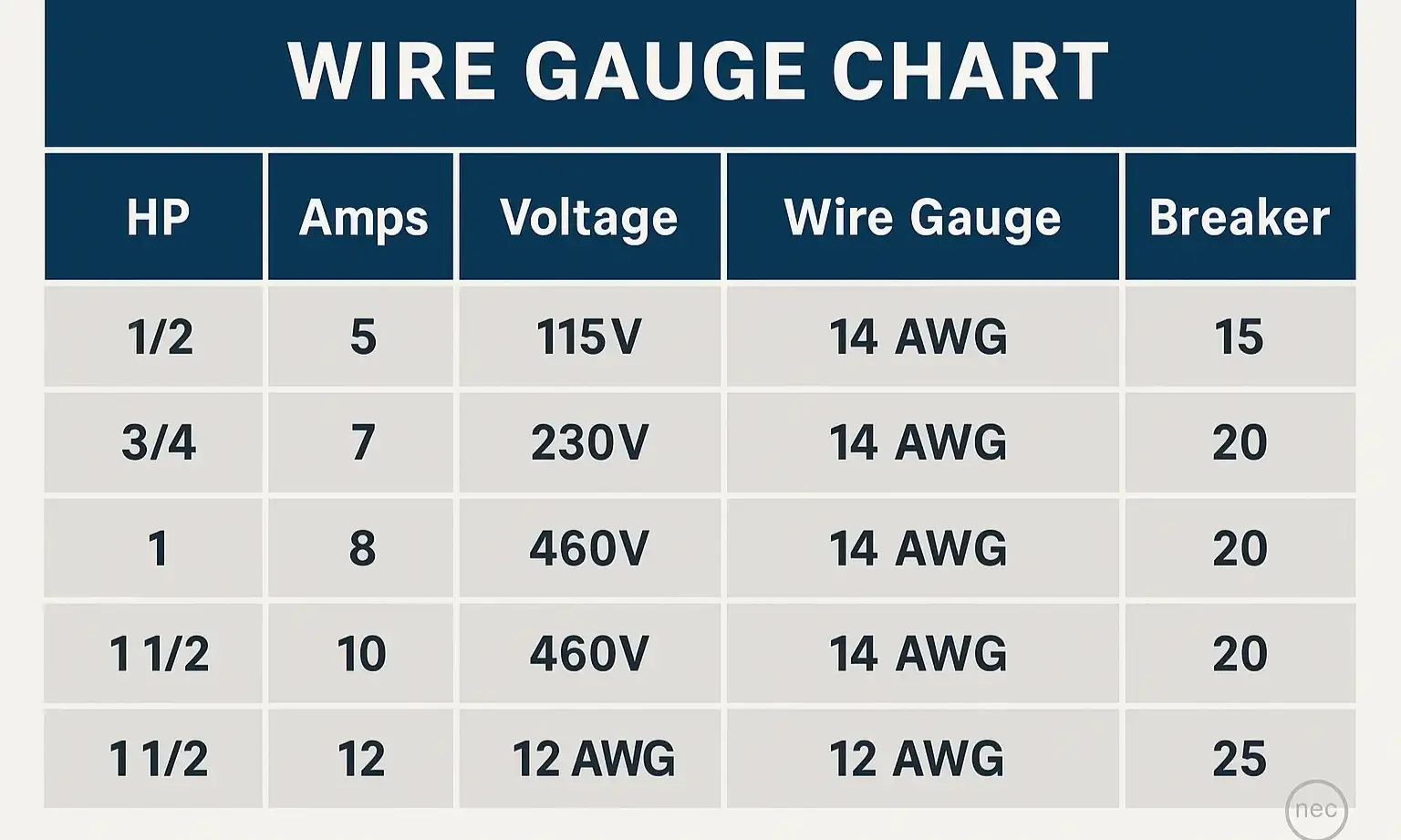
Wire gauge (American Wire Gauge or AWG) is a measure of thickness. The lower the number, the thicker the wire. Using a wire that’s too thin for the amperage is a serious fire hazard. The circuit’s length also matters—over long distances, voltage can “drop,” so a thicker wire may be needed.
This is arguably the most critical step. For this reason, we’ve created a definitive chart to simplify the process.
Key Takeaway: Always run a new, dedicated circuit for a commercial garage door opener. The question of “does a garage door opener need a dedicated circuit” is even more critical in a commercial setting. Sharing a circuit with lights, tools, or other equipment can lead to breaker trips and motor damage.
Mastery: Outlets, Controls, and Code Compliance
The final piece of the puzzle is connecting the power source to the opener and its controls safely and legally.
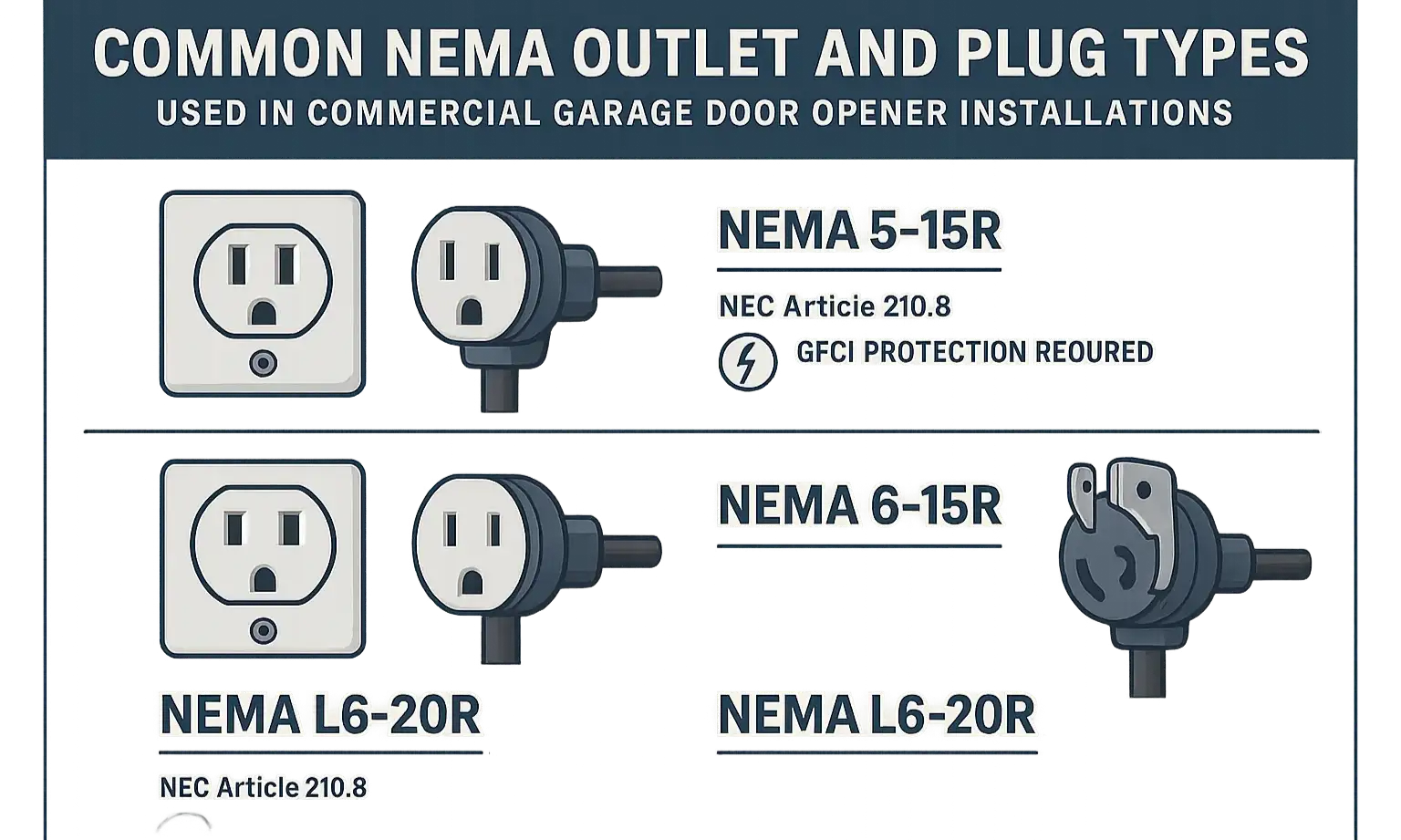
A Visual Guide to NEMA-Rated Outlets and Plugs
You can’t just use any outlet. Commercial and industrial environments require specific NEMA (National Electrical Manufacturers Association) receptacles designed for higher voltages and amperages. They have unique pin configurations to prevent you from plugging a 120V device into a 240V outlet.
Wiring the Controls: The 3-Button Station
Most commercial openers are operated by a wall-mounted 3-button (Open-Close-Stop) control station. This is low-voltage wiring, separate from the high-voltage line powering the motor itself.
NEC Compliance and Best Practices
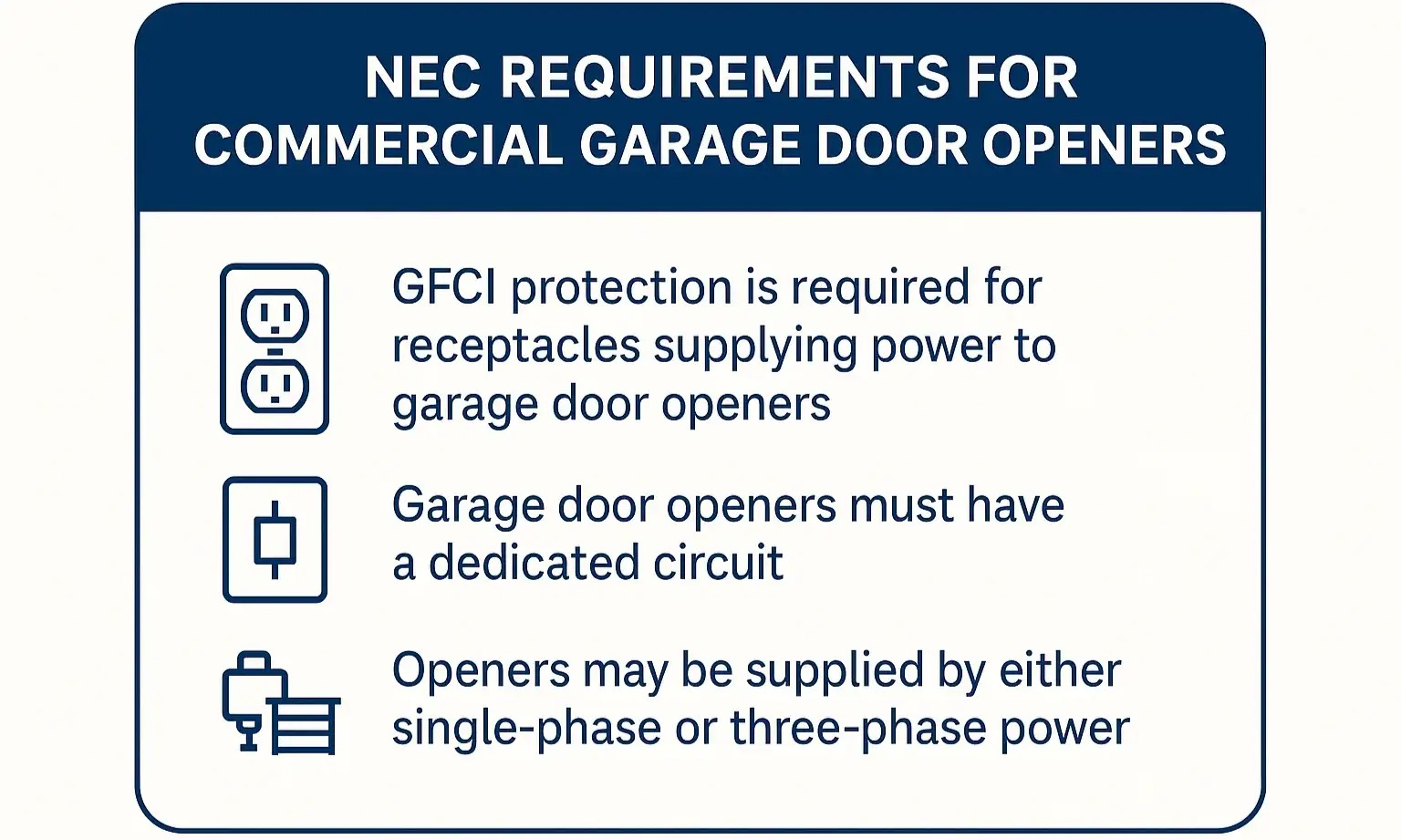
Always adhere to the National Electrical Code (NEC) and any local codes. A licensed electrician is your best partner in ensuring a safe installation. Key points include:
Action: Your Pre-Installation Checklist
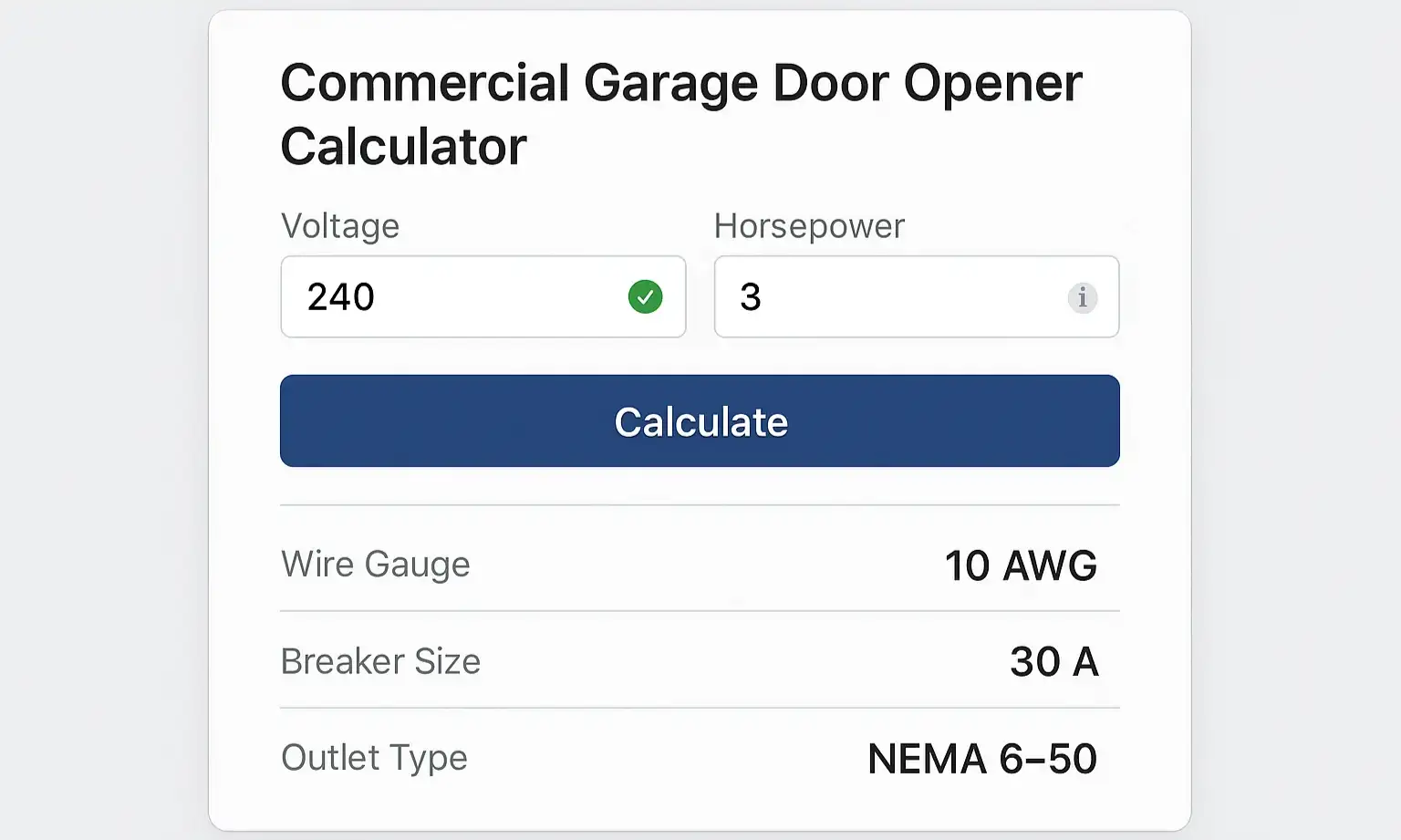
Feeling more confident? Good. Before the installer arrives, use this checklist to ensure your electrical infrastructure is ready to go.
Electrical Pre-Flight Checklist:
Frequently Asked Questions (FAQ)
What wire gauge do I need for a commercial garage door opener?
It depends entirely on the opener’s amperage draw and the distance from the breaker panel. For a typical 20-amp circuit, 12 AWG wire is common, but for higher amp loads or long runs, 10 AWG or thicker may be necessary. Always refer to the manufacturer’s specs and the NEC.
Do I really need a licensed electrician for this?
Absolutely. Commercial electrical work is complex and governed by strict codes for safety and liability reasons. An electrician will ensure the circuit is safe, compliant, and correctly sized for the load, preventing fire hazards and equipment damage.
Can I wire two commercial openers to the same circuit?
No. Each commercial garage door opener must be on its own dedicated circuit to ensure it receives consistent power and to prevent overloading the breaker.
What’s the difference in wiring single-phase vs. three-phase power?
Single-phase power typically has two hot wires and a ground (and sometimes a neutral). Three-phase has three hot wires and a ground. The wiring configurations are completely different, and connecting a motor to the wrong phase type will destroy it instantly.
How are safety features like photo-eyes and reversing edges wired in?
These are low-voltage devices that connect directly to specific terminals on the opener’s logic board, not the high-voltage power line. They draw their small amount of power from the opener itself. The wiring diagram in the opener’s manual is your essential guide for these connections.
Frequently Asked Questions
What wire gauge do I need for a commercial garage door opener?
It depends entirely on the opener’s amperage draw and the distance from the breaker panel. For a typical 20-amp circuit, 12 AWG wire is common, but for higher amp loads or long runs, 10 AWG or thicker may be necessary. Always refer to the manufacturer’s specs and the NEC.
Do I really need a licensed electrician for this?
Absolutely. Commercial electrical work is complex and governed by strict codes for safety and liability reasons. An electrician will ensure the circuit is safe, compliant, and correctly sized for the load, preventing fire hazards and equipment damage.
Can I wire two commercial openers to the same circuit?
No. Each commercial garage door opener must be on its own dedicated circuit to ensure it receives consistent power and to prevent overloading the breaker.
What's the difference in wiring single-phase vs. three-phase power?
Single-phase power typically has two hot wires and a ground (and sometimes a neutral). Three-phase has three hot wires and a ground. The wiring configurations are completely different, and connecting a motor to the wrong phase type will destroy it instantly.
How are safety features like photo-eyes and reversing edges wired in?
These are low-voltage devices that connect directly to specific terminals on the opener’s logic board, not the high-voltage power line. They draw their small amount of power from the opener itself. The wiring diagram in the opener’s manual is your essential guide for these connections.