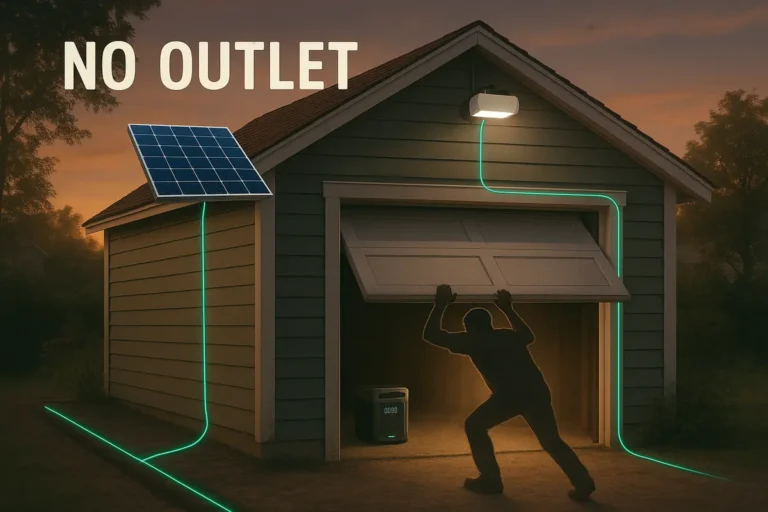
When freezing temperatures arrive, your garage door faces its toughest operational challenge. Homeowners often evaluate whether a cold house or drafty upstairs room stems from garage heat loss, or whether a sluggish opener signals imminent mechanical failure. Bridging the gap between thermal retention and mechanical performance is essential to keep your home warm and prevent unexpected winter breakdowns.
Winter Garage Door Inspection & Professional Tune-Up Guide
Published: Oct 13, 2026
Why Winter is the Ultimate Stress Test for Your Garage Door
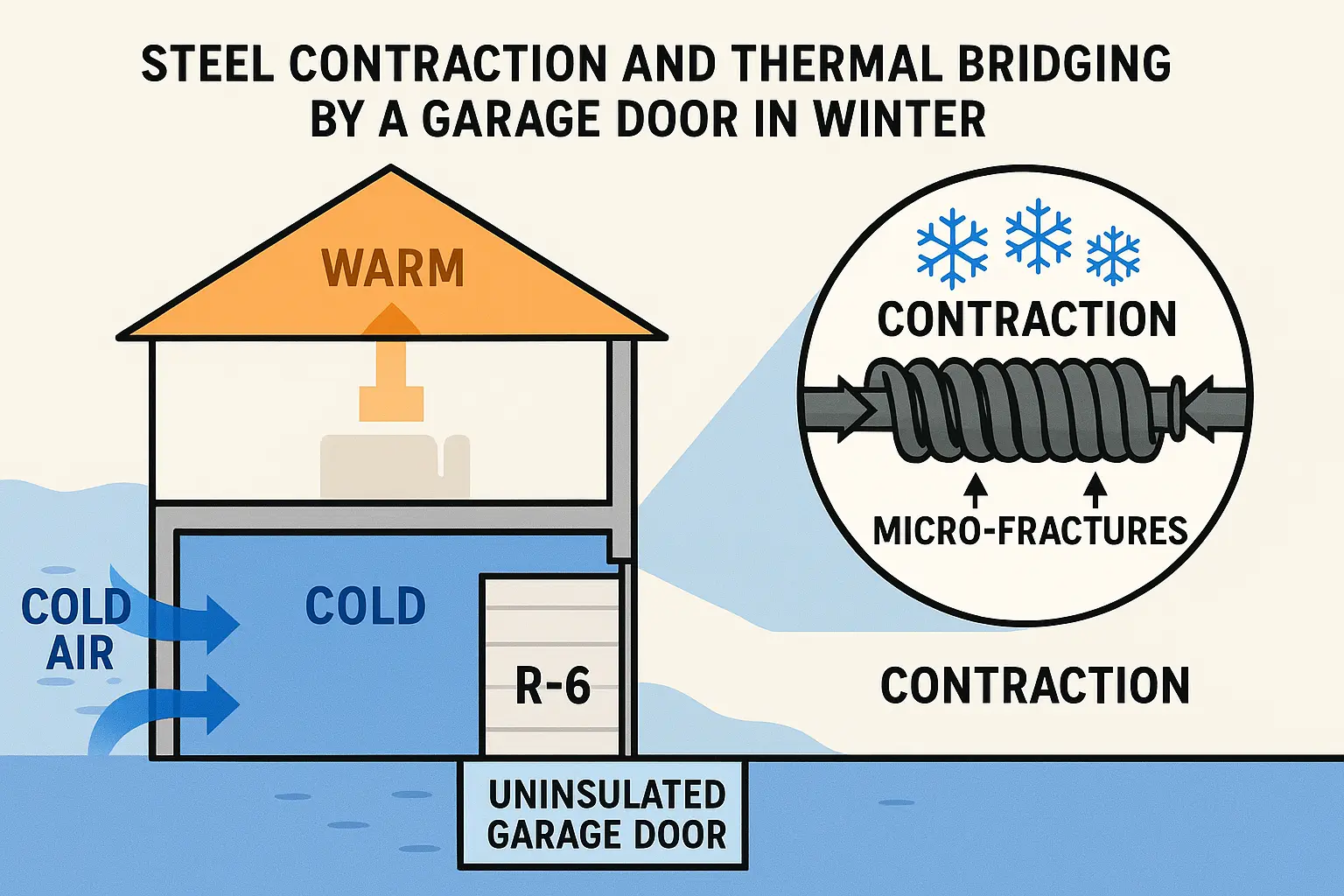
Sub-zero air alters garage mechanics and home thermodynamics simultaneously. Uninsulated doors allow internal garage temperatures to plunge within 5°F to 10°F of outdoor ambient air. This creates a severe thermal bridge: cold air infiltrates adjacent walls, lowering temperatures in bedrooms directly above the garage by 4°F to 8°F and increasing household heating bills by up to 15%.
Mechanically, severe cold forces steel components to contract, accelerating micro-fractures in torsion springs. Standard springs rated for 10,000 cycles experience extreme metal embrittlement, causing up to 65% of spring snaps to occur during winter’s first major cold snap. Recognizing these stresses early helps homeowners prevent garage door repairs before freezing weather locks vehicles inside.
DIY Winter Garage Door Maintenance Checklist
Homeowners can safely execute several critical checks before severe freezes set in:
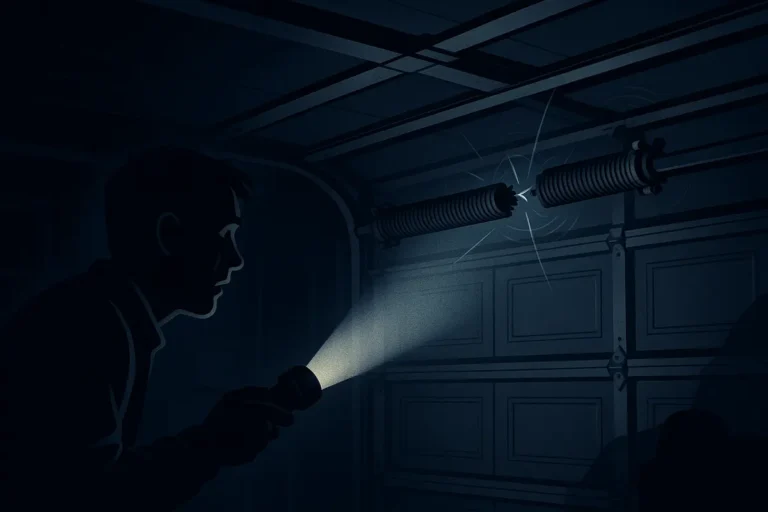
- The Flashlight Draft Test: Turn off garage lights at night and shine a flashlight along perimeter seals. Visible light gaps indicate brittle weather seals needing replacement or weather stripping adjustments.
- Balance & Auto-Reverse Check: Disconnect the opener and manually lift the door halfway. If it sags or snaps open, tension is imbalanced. Test safety sensors using a 2×4 block under the door pathway.
- Low-Temperature Lubrication: Avoid petroleum lubricants like WD-40, which gel and harden below 32°F, increasing motor strain. Apply low-temp silicone or synthetic lithium grease rated to -40°F across rollers, hinges, and tracks.
DIY vs. Professional Tune-Up: Safety and Cost Matrix
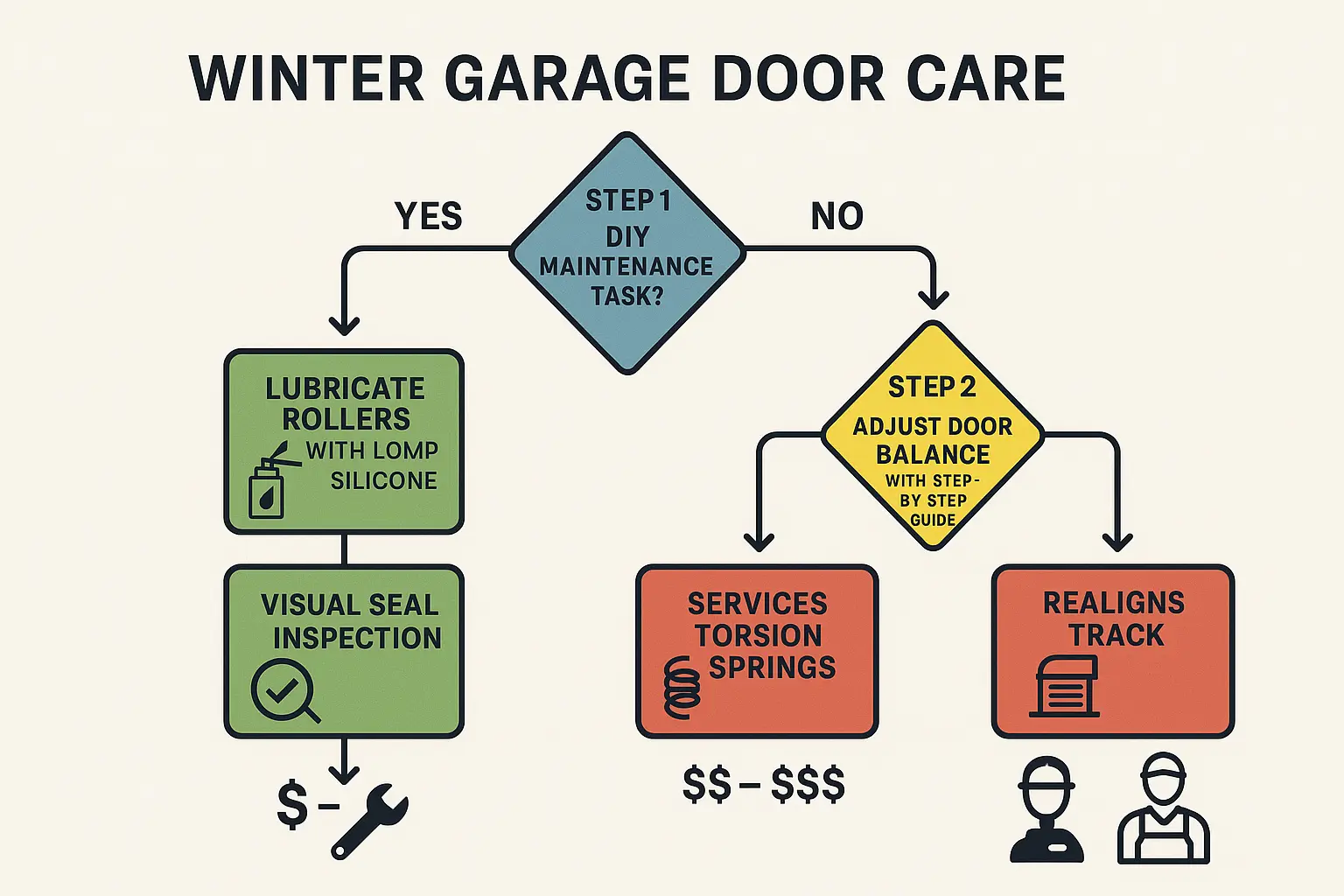
Evaluating whether to fix an issue yourself or hire an expert comes down to physical risk and long-term financial ROI. While lubricating hinges and replacing bottom seals are safe DIY projects, high-torque components like torsion springs carry immense kinetic energy that can cause severe injury.
Investing $75 to $200 in a seasonal tune-up prevents emergency callouts during blizzards. Spotting a failing garage door spring early avoids catastrophic failure, whereas attempting DIY spring winding can cause permanent damage or injury.
What to Expect During a Professional Winter Service Call
A certified winter inspection goes far beyond basic oiling. Certified technicians complete an 18-point audit designed to safeguard mechanical integrity and home energy retention:
- Tension & Counterbalance Calibration: Measuring spring torque resistance against cold-weather steel contraction.
- Track Alignment & Roller Tolerances: Adjusting tracks to avoid binding and prevent garage door off-track repair calls caused by ice buildup.
- Thermal & Perimeter Sealing Inspection: Ensuring bottom rubber seals do not freeze to the concrete surface.
- Opener Gear & Force Sensitivity Tuning: Calibrating motor force settings to compensate for winter resistance without damaging drive gears.
When severe freeze strikes, having a pre-serviced system minimizes the risk of needing an emergency garage door repair.
Frequently Asked Questions
Why is my room above the garage so cold in winter?
An uninsulated or poorly sealed garage door creates a drafty thermal bridge beneath living quarters. Cold air enters through damaged weather seals, dropping garage temperatures to near-outdoor levels, which lowers the temperature in upstairs bedrooms by 4°F to 8°F and raises heating bills by up to 15%.
Should I lubricate my garage door tracks with WD-40 before winter?
No. Standard WD-40 is a solvent that gels and thickens in temperatures below 32°F, attracting debris and increasing friction. Use specialized silicone-based or synthetic lithium grease with a pour point down to -40°F on rollers, hinges, and springs.
How do I know if my garage door spring is about to break in the cold?
Signs include loud squeaking during operation, a door that opens sluggishly or rises unevenly, visible gaps in the spring coils, or a door that falls quickly during manual balance tests. Cold weather causes metal contraction, causing 65% of spring failures during winter’s first severe freeze. If you notice these symptoms, schedule professional garage door spring replacement immediately.