Broken Garage Door Springs Mean Big Problems: When to Replace Yours


Published: Jul 28, 2026 | Updated: Aug 2, 2026

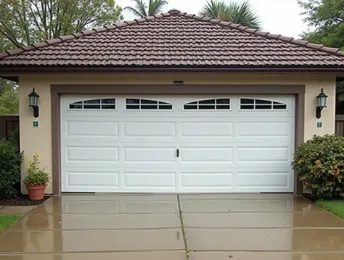
Your garage door is likely the largest, heaviest, and most frequently used moving object in your home. Most of us open and close it multiple times a day—leaving for work, walking the dog, or taking out the trash—without giving it a second thought. That smooth, effortless movement is entirely thanks to your garage door springs. They do all the heavy lifting, bearing hundreds of pounds of weight so your automatic opener doesn’t have to.

But because they are under such immense, constant tension, a failing or broken spring isn’t just a frustrating inconvenience—it is a serious safety hazard. Here is an in-depth look at what you need to know about spotting the warning signs, understanding the mechanics of your door, and why timely replacement is absolutely critical for your family’s safety.
The Hidden Dangers of Worn-Out Springs


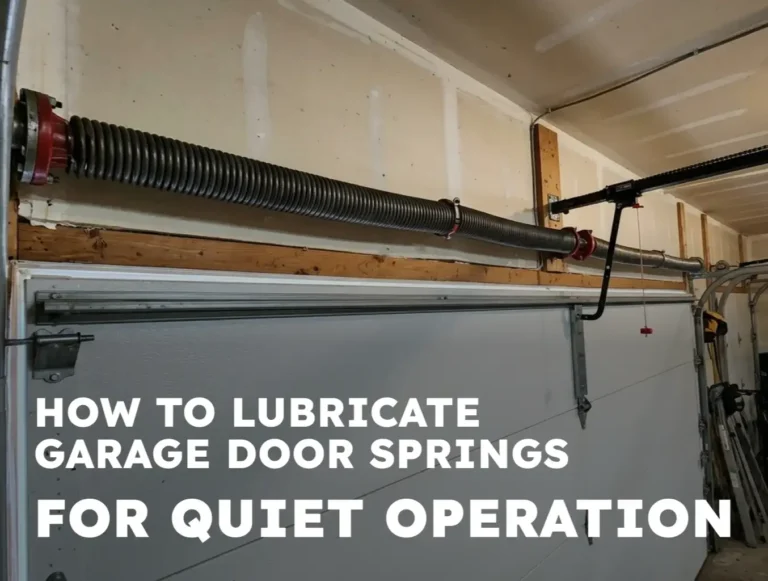
Garage door springs are manufactured from heavy-duty steel, but they are not invincible. Fortunately, learning how to properly maintain your garage door springs can save you from unexpected and costly breakdowns.

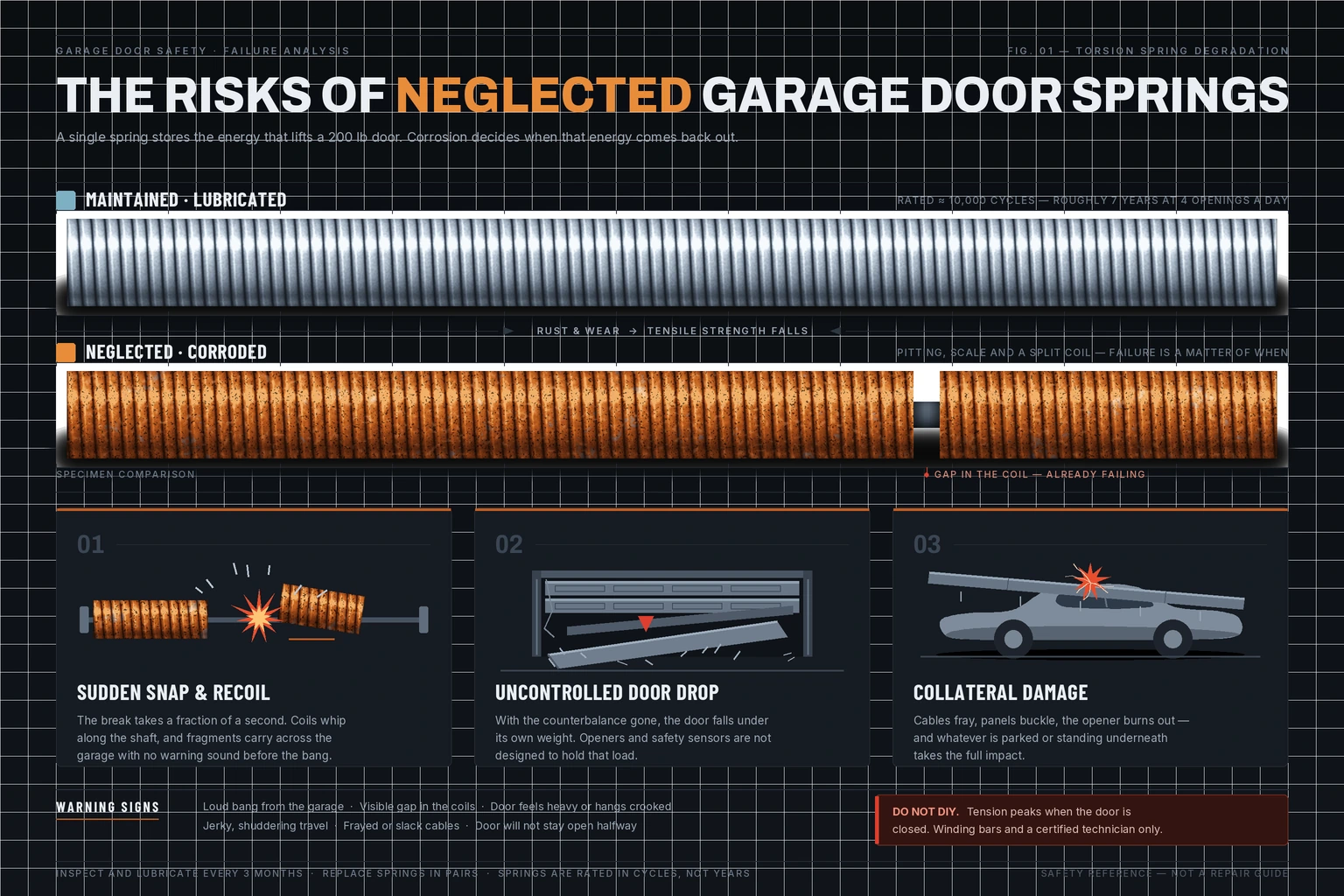
Over time, these vital metal components are subjected to corrosion, extreme temperature fluctuations, and the standard, unavoidable wear and tear of daily use. As the metal weakens, an eventual malfunction of the entire garage door unit becomes a matter of when rather than if.

Garage Door Spring Risks

What Happens When a Spring Snaps?

Broken garage door springs are one of the most common causes of garage-related accidents. Every year across the United States, failing springs lead to severe property damage, serious injuries, and tragically, even fatalities.

When a spring finally breaks, it violently releases all of its stored kinetic energy in a split second. This is often accompanied by a loud sound similar to a gunshot or a firecracker. If a spring snaps while the door is open, the sudden release of tension means there is nothing holding the door up. The full weight of the door—often between 150 and 300 pounds—will crash to the ground instantly, crushing anything in its path.

Why You Shouldn't Wait Until a Spring Breaks


It is a common misconception that you should only replace garage door parts once they stop working. When it comes to springs, you should never wait for them to snap before taking action.

Springs should be replaced well before they reach their breaking point to significantly reduce the likelihood of an accident. Being proactive not only keeps you safe, but it also saves you money in the long run.

The Domino Effect of Garage Door Damage

When a spring is nearing the end of its life, it loses its tension and forces other components to overcompensate. This creates a destructive domino effect:

  • Strained Openers: Your motorized garage door opener is designed to guide the door, not lift its dead weight. Weak springs force the opener motor to strain, leading to burnt-out gears and premature opener failure.

  • Bent Tracks and Rollers: Uneven tension can pull the door out of alignment, grinding the rollers into the tracks and bending the metal framework.

  • Snapped Cables: The cables that work alongside your springs can fray and snap under the uneven pressure, adding another layer of danger and repair costs. To avoid unexpected breakdowns and keep your system balanced, it is crucial to know exactly when you should replace your garage door cables before they fail completely.

A simple preventative service call can stop this domino effect before it starts, saving you from replacing your entire garage door system.

How to Know When It’s Time for a Check-Up


So, how do you know when a spring is on its last legs? The lifespan of a garage door spring depends heavily on local weather conditions, the weight of your specific door model, and your daily usage.

Understanding Spring “Cycles”

Garage door springs are rated by “cycles.” One full cycle equals the door opening and closing one time. A standard builder-grade spring is typically rated for about 10,000 cycles. For a family that opens their garage door four times a day, those 10,000 cycles will be exhausted in about seven years. If you use your garage as your primary front door, that lifespan shrinks considerably.

Warning Signs of a Failing Spring

If you have never had your springs checked since moving into your home, or if it has been several months since your last service, it is highly recommended to book a professional inspection. Watch and listen carefully for these visual and auditory red flags:

  • Excessive Noise: Loud squeaking, groaning, grinding, or popping sounds when the door operates are clear indicators of worn metal or severe rust. If a basic lubrication tune-up doesn’t help you silence your squeaky garage door pulleys, failing springs are likely the main culprit.
  • A “Heavy” Door: If you pull the red emergency release cord and find the door incredibly difficult to lift manually, your springs have lost their lifting power. (A properly balanced door should lift easily with one hand).

  • Crooked Movement: If the door appears uneven, sags on one side, or jerks as it moves along the tracks, one spring is likely wearing out faster than the other.

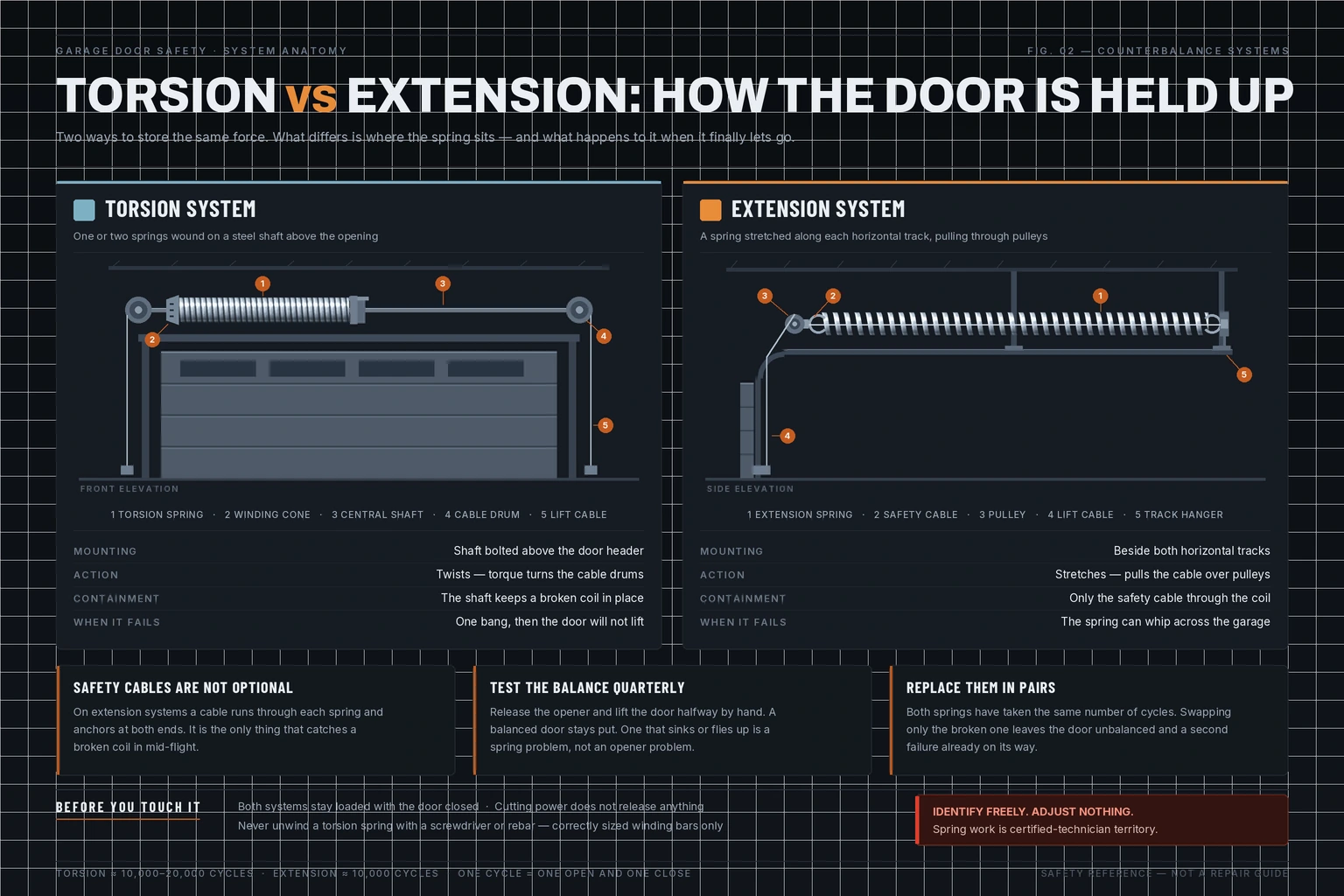
  • Visible Gaps in the Coil: If you look at your torsion spring (the large coiled spring mounted above the door) and see a visible gap dividing the coil into two pieces, the spring is already broken.

DIY Repair? Why You Must Leave It to the Professionals


With endless DIY tutorials and videos online, it can be incredibly tempting to order parts online and tackle the job yourself to save a few dollars. When it comes to garage door springs, this is highly advised against.

Garage Door Spring System

The Risks of Handling High-Tension Parts

Garage door springs hold immense stored kinetic energy. Attempting to unwind, adjust, or remove them without specialized training and the exact right tools is an easy way to end up in the emergency room.

  • Lack of Specialized Tools: Professionals use specific, heavy-duty winding bars that perfectly fit the spring cones. Using screwdrivers or pliers—as some DIY videos suggest—frequently results in the tool slipping, causing the spring to violently uncoil and strike the user.

  • Incorrect Sizing: Springs must be perfectly calibrated to the exact weight of your door. Installing the wrong size will ruin your opener and cause the door to fall unpredictably.

  • Voided Warranties: Attempting to service your own door often voids the manufacturer warranties on the door panels and the motorized opener.

When your springs need to be assessed, serviced, or replaced, never attempt the job yourself. Always reach out to a competent, qualified expert. Relying on a professional ensures the repair is done safely, efficiently, and adheres to strict international safety standards.

Protect Your Home and Family Today


Your garage door springs work incredibly hard every single day to provide you with seamless, easy access to your home. Don’t let a small, preventable issue escalate into a massive, dangerous, and expensive problem. If you suspect your springs are aging or showing signs of wear, act now to keep your garage secure, functional, and safe for everyone in your household.

Frequently Asked Questions


Why are broken garage door springs considered so dangerous?

Broken garage door springs are one of the most common causes of accidents involving garage doors, leading to injuries and sometimes even fatalities across the United States every year. Over time, springs can corrode and show the usual wear and tear of age and use. When that happens, an eventual malfunction of the entire garage door unit becomes a matter of when rather than if.

Should I wait until a spring breaks before replacing it?

No. Springs should not just be replaced when something goes wrong; they should be replaced well before something goes wrong to greatly reduce the likelihood of accidents. Many of these injuries could have been prevented with a simple garage door service before the situation turned into an emergency.

How do I know when it's time to have my springs checked?

If it has been a few weeks or months since your springs were last serviced, or if you have never had them checked since getting the garage door, it is likely time to book a service or replacement. The best rule of thumb is that if you haven’t checked in a while, you should, even if you haven’t experienced any problems yet. Factors like weather, the type of model, the weight of the door, and how often it is used all influence how long springs last.

Can I service or replace the springs myself?

The article advises against attempting garage door repair yourself, especially if you want to ensure it adheres to the international safety standards that you and your family rely on. When you need springs assessed, serviced, or replaced, it is always best to contact a competent, qualified expert rather than attempt the job yourself. Reaching out to the experts helps make sure the repair or installation is done properly.

Contact / Request a Call