
What Is the Garage Door U-Factor: A Homeowner’s Guide
Published: Dec 2, 2025
You invest a lot in your home’s comfort and efficiency, from new windows to better insulation. But have you thought about your garage door? It’s one of the largest openings in your home, and its garage door U-factor can significantly affect your home’s energy efficiency and comfort.
Want to understand how it all works? 24H Garage Doors put together this guide to explain what the garage door U-factor means — and why it matters for your home.
Garage Door U-Factor: What It Is and How It Works
The garage door U-factor measures how well a material resists heat loss. Think of it as the opposite of R-value: a higher R-value means better insulation, while a lower garage door U-factor indicates superior insulation. This means less heat is lost through the door.
Here’s a quick breakdown:
Here’s a quick breakdown:
- Heat Flow: Heat always moves from warmer areas to colder ones. In winter, warmth escapes from your garage to the chilly outdoors. In summer, outside heat tries to sneak in.
- U-Factor’s Role: The U-factor tells you how quickly heat transfer happens. A lower U-factor means less heat can pass through the door, making it more energy-efficient.
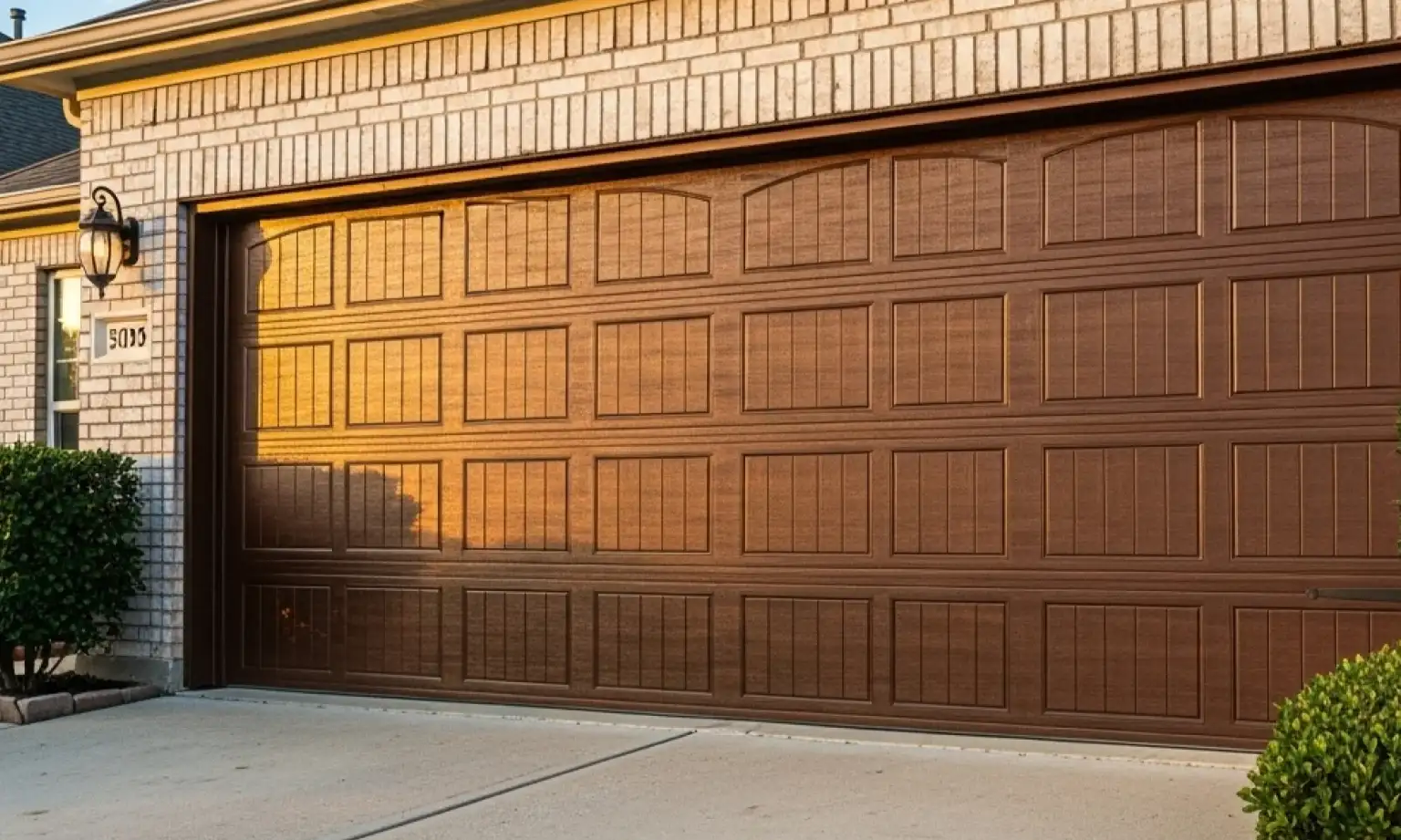
Many factors influence a door’s U-factor, including the insulation material, the door’s thickness, and how tightly its panels seal together. When you compare models, looking at both the R-value and the garage door U-value gives you the full picture of energy performance.
Need more information?
Get a free quote
Why the Garage Door U-Value Matters for Your Home
You don’t need to be an insulation expert to care about the garage door U-value. However, it can make a real difference in your day-to-day comfort.
-
Energy Savings:
A door with a low U-factor helps keep the heat inside during winter and blocks it out in the summer. This translates directly into lower energy bills because your heating and cooling systems won’t have to work as hard to maintain comfortable temperatures in your garage and connected living spaces. -
Comfort:
If your garage shares a wall with your house or doubles as a workshop, storage room, or even a gym, the U-factor matters more than you’d think. A well-insulated garage door means fewer drafts and less temperature swing. No more freezing cold workshops in winter or sweltering hot storage areas in summer. Durability and Performance:
Doors with a strong U-factor rating are often built better overall — they’re tighter, tougher, and hold up to the elements longer. You’ll also get better sealing between panels, which means fewer problems down the line. Want to know what type of insulation works best? Take a look at our guide to the best types of garage door insulation.
Let’s be honest — nobody wants to overpay for heating or cooling, but a comfortable garage sounds worth engaging. A garage door replacement with a better U-factor might be the fix you didn’t know you needed. At 24H Garage Doors, we guide you through options that not only improve insulation but also make your garage more livable.
Need more information?
Get a free quote
Summing Up
So, while the garage door U-factor might seem technical, taking a moment to understand it is a proactive step toward a more energy-efficient and comfortable home. It’s a simple concept with big benefits: a lower U-factor means better insulation and more money staying in your pocket.
Choosing the right garage door can feel like a big decision, but you don’t have to figure it out alone. At 24H Garage Doors, we pride ourselves on simplifying these details and helping you select a door that fits your lifestyle and budget perfectly. Our goal is to help you find the right solution for your home’s needs.
Choosing the right garage door can feel like a big decision, but you don’t have to figure it out alone. At 24H Garage Doors, we pride ourselves on simplifying these details and helping you select a door that fits your lifestyle and budget perfectly. Our goal is to help you find the right solution for your home’s needs.
Frequently Asked Questions
Why the insulated overhead door U-factor matters?
This measurement is particularly relevant for insulated overhead door U-factor. If your garage is attached to your home, or if you use it as a workshop or living space, the U-factor of your garage door can significantly impact your home’s overall energy performance.
What’s the difference between the garage door U-factor and the garage door U-value?
In practice, the garage door U-factor and U-value refer to the same thing: how easily heat passes through the door. You might see one term on a product label and the other in a brochure, but both describe the door’s overall insulation performance.
What is a good garage door U-factor for my home?
A lower garage door U-factor is better because it means less heat escapes through the door. For most homes with an attached garage or a room above the garage, choosing a door with a low garage door U-factor can help keep temperatures more stable and reduce strain on your heating and cooling system. If you live in a colder climate or use your garage as a workspace, it’s usually worth choosing the best U-factor your budget allows.