What Causes a Garage Door Spring to Break Prematurely
Published: Apr 7, 2026
Few things are as disruptive as a garage door that won’t open. If your door suddenly refuses to budge, there’s a good chance you’re dealing with a broken garage door spring. At 24H Garage Doors, we know this scenario all too well, and we frequently hear homeowners ask, “Why do garage door springs break?” Let’s explore the common reasons behind this frustrating issue and what steps you can take to avoid it in the future.
Understanding the Job of Garage Door Springs
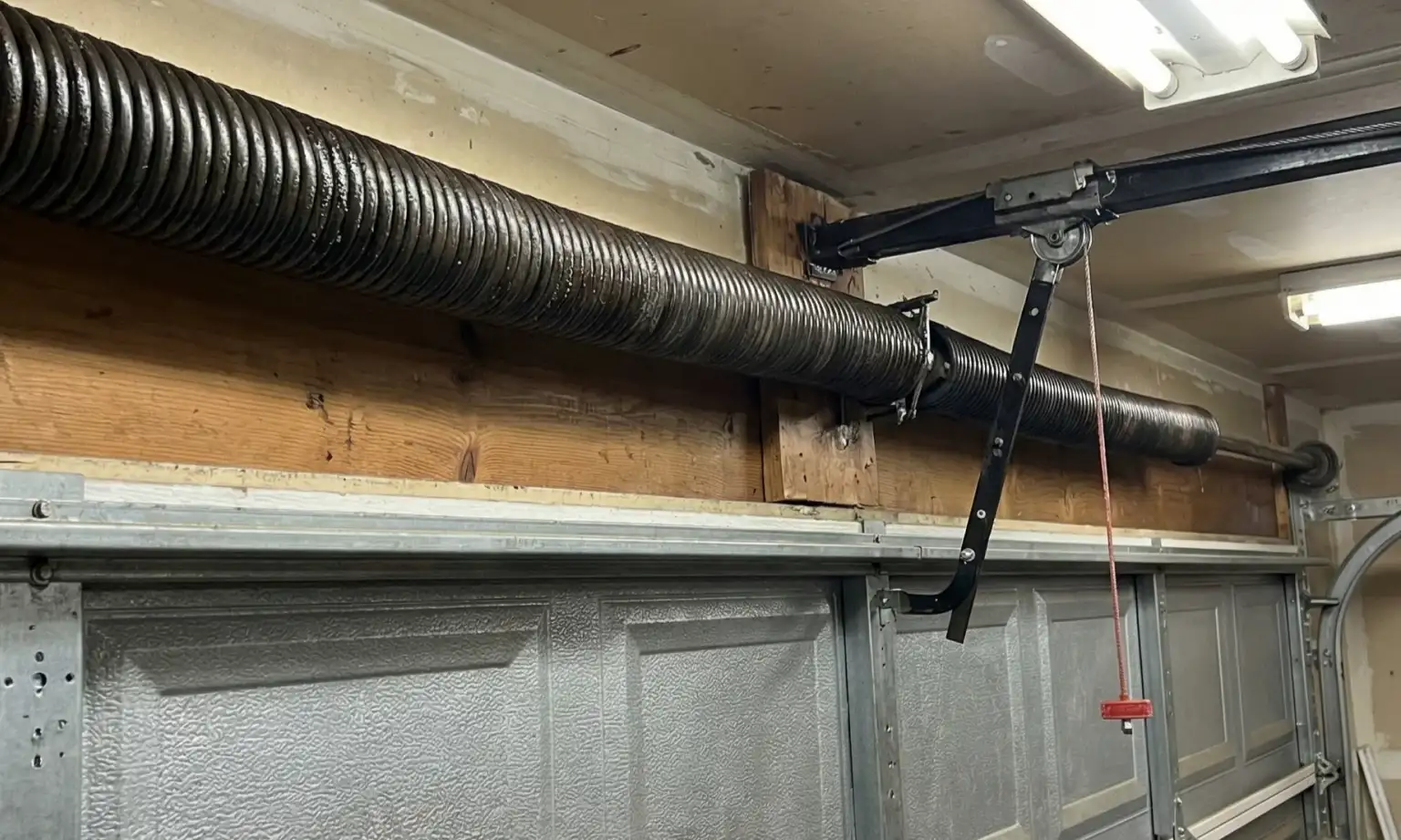
Garage door springs, whether torsion or extension types, are under high tension. They balance your door’s weight, allowing it to open and close smoothly. This constant tension is essential for proper function, but it also causes wear over time.
When a spring starts to weaken or fail, the door may feel heavier, open unevenly, or stop moving altogether. So why do these hardworking parts sometimes break sooner than expected?
Why Does the Garage Door Spring Break
When the spring of a garage door breaks, it’s rarely caused by just one thing. In most cases, it isn’t just one problem, but a combination of issues.
Everyday Use
Every garage door spring has a set lifespan, typically ranging from 10,000 to 20,000 open-and-close cycles. Constant stretching and recoiling wear out the metal. High daily use makes those cycles add up fast, causing the spring to fail sooner. Many homeowners wonder, “Why does the garage door spring break just from regular use?” This everyday wear is often a common cause, so cutting back on unnecessary garage door usage can help slow down the wear.
Neglected Upkeep
Garage door springs, like other moving parts, need regular maintenance to stay in good condition. Lubricating the springs helps reduce friction and prevent rust, which extends their lifespan. When this step is skipped, added stress builds up and causes the springs to wear out faster. Unfortunately, most homeowners only realize the importance of garage door spring maintenance when the door won’t open or the spring unexpectedly snaps.
Rust and Wet Conditions
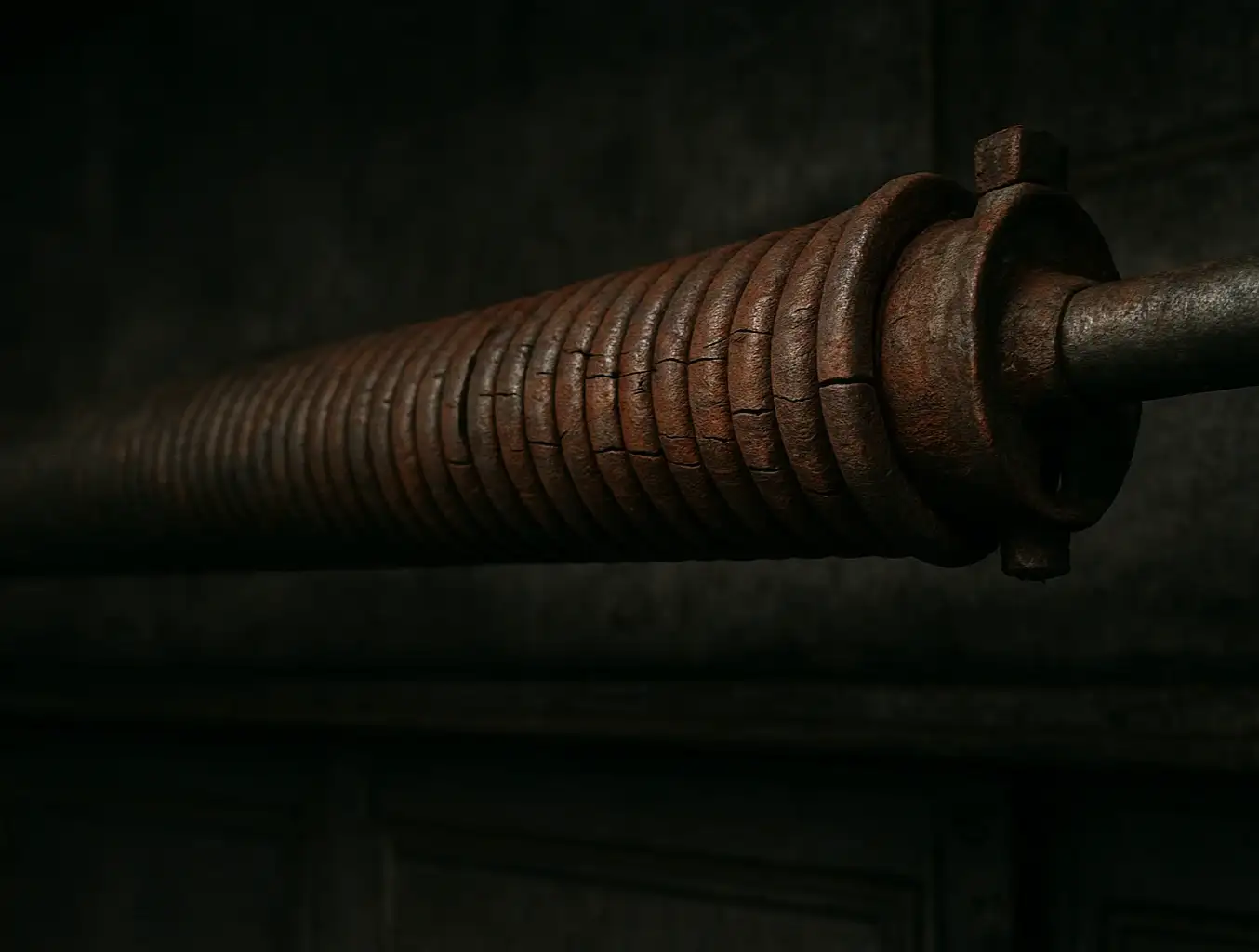
Moisture and humid air can cause springs to rust. When rust builds up, it weakens the metal, making the spring more likely to snap under pressure. If you live somewhere with high humidity or your garage is often damp, your springs may fail earlier than expected. Applying a rust-inhibitor spray to the springs can also provide extra protection and help them last longer.
Wrong Installation
Improper installation is a common but often overlooked issue that causes a spring to break early. If a garage door spring isn’t installed correctly — maybe the wrong size or type for the door’s weight, or the tension is off — it’ll be strained from day one. This significantly reduces its lifespan and can even be dangerous. That’s why a professional setup matters. The experts at 24H Garage Doors make sure your garage door springs are installed safely, with the right tension and parts for your specific system.
Factory Problems
Though it doesn’t happen often, a spring with a factory defect can break a lot sooner than it should. If a spring fails early, despite minimal use, it may be due to a flaw in the material or its manufacturing process.
Though there’s little a homeowner can do to prevent this, choosing a reputable garage door service that uses high-quality, warrantied parts can reduce the risk. It’s always worth asking about the source and rating of the replacement springs being installed.
Extreme Temperature Changes
Sudden temperature swings can affect the metal in garage door springs, especially in areas with harsh winters or dramatic seasonal changes. Cold weather makes the springs more brittle, while repeated heating and cooling weakens the material over time. These fluctuations in temperature can lead to metal fatigue, causing the spring to break. However, insulating your garage can help reduce the strain.
What Causes Garage Door Springs to Break: The Door’s Weight
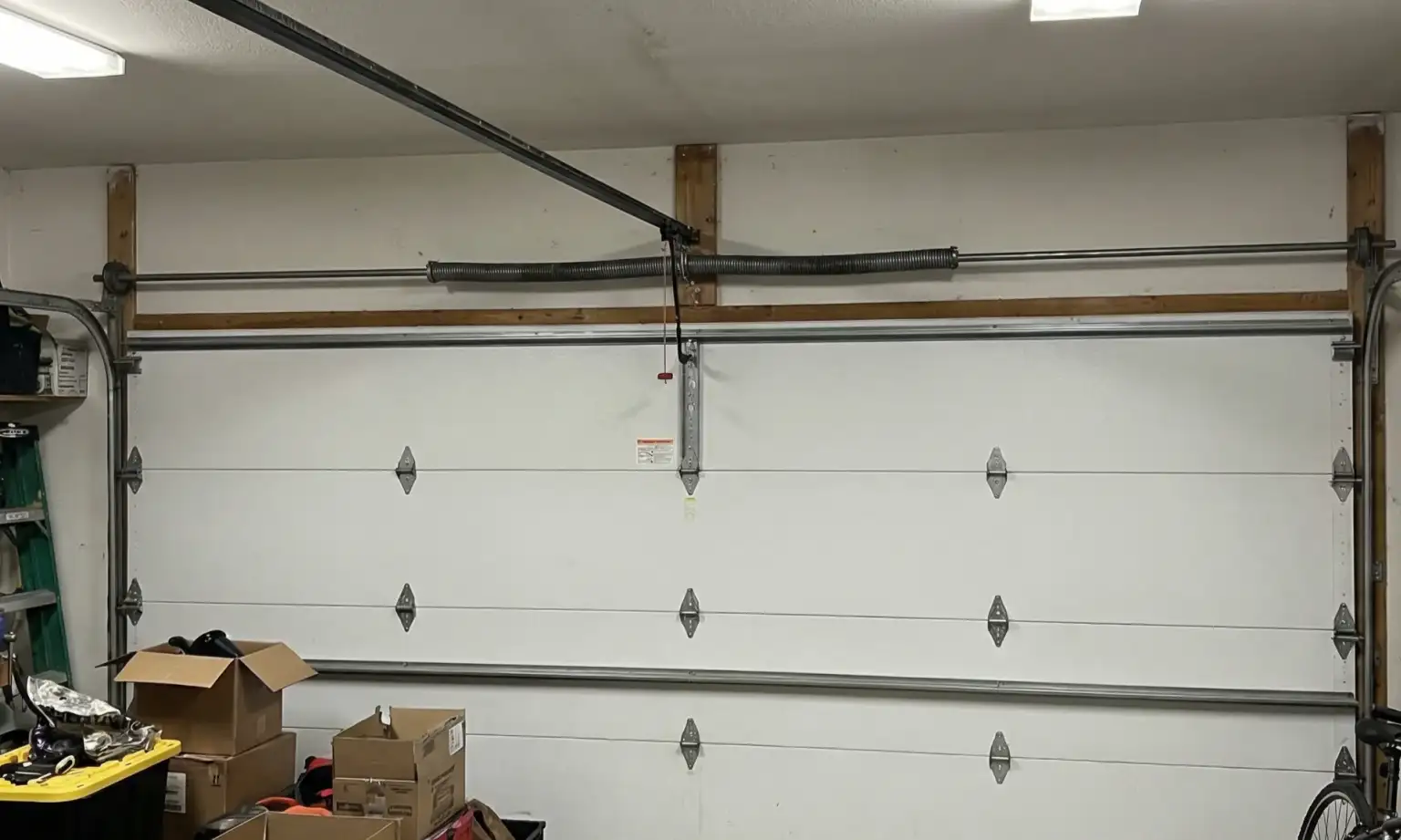
Your garage door’s weight directly affects how much stress its springs take. If the door gets heavier over time — due to new insulation, different panels, or even just dirt build-up — the springs originally sized for a lighter load can become overstressed. This extra pressure is one of the most overlooked answers to what causes garage door springs to break early.
After any door modification or added weight, it’s important to have the springs checked and possibly replaced with ones rated for the updated load.
Summing Up
A broken garage door spring can be a serious inconvenience, but now you understand what causes a garage door spring to break prematurely. From daily wear and poor maintenance to rust, added weight, or improper installation, many things affect how long they last.
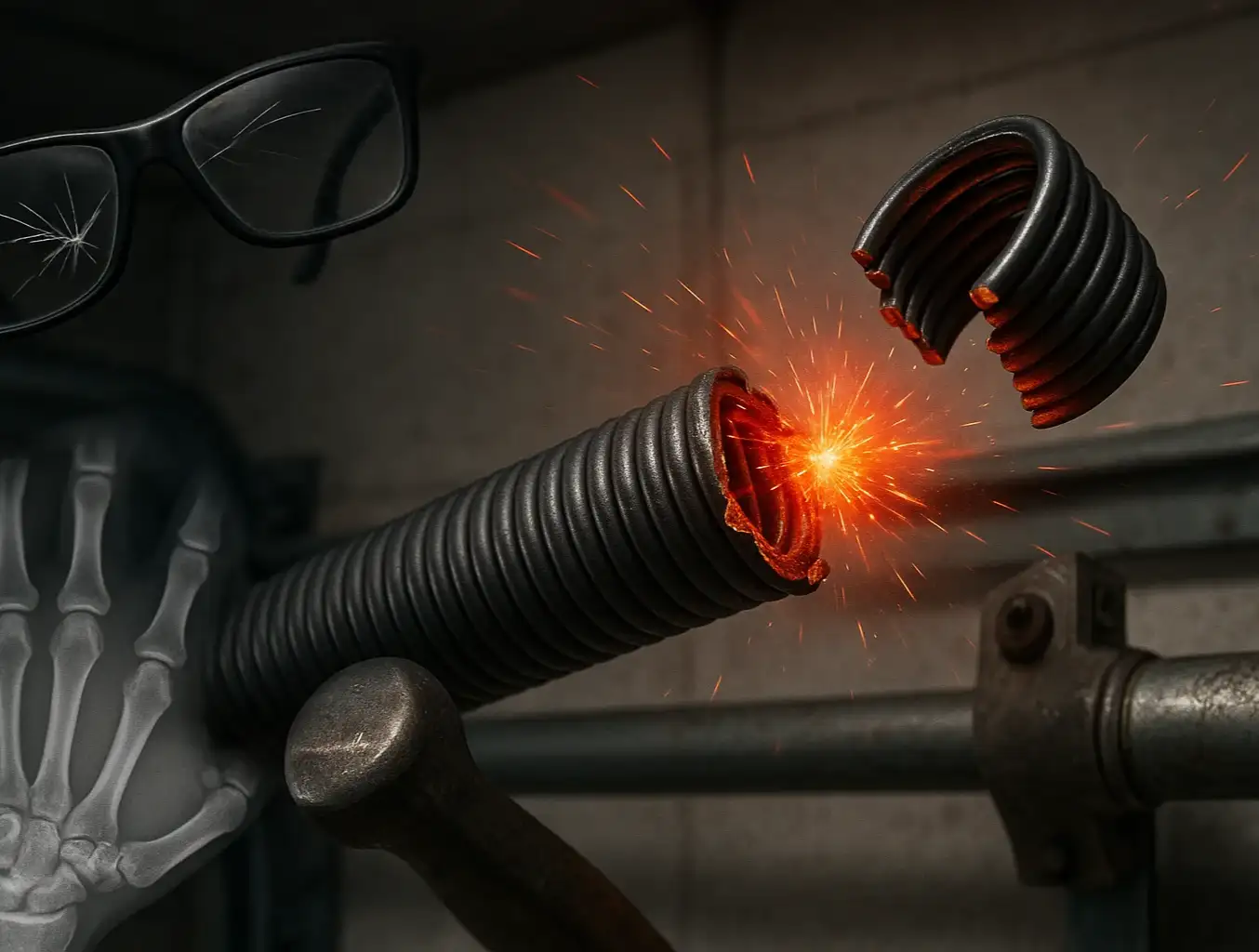
If you’re dealing with this issue now and wondering how to tell if a garage door spring is broken, don’t try to handle it on your own. These high-tension parts can be dangerous to repair without the right training. Let the professionals at 24H Garage Doors handle it safely and get your door working like it should.
You may also like