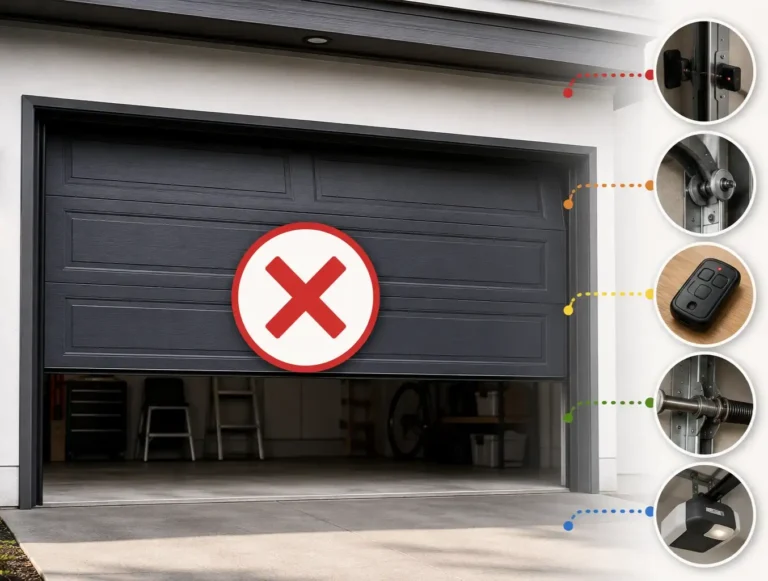
Your garage door is one of the hardest-working parts of your home. It opens and closes multiple times a day, whether you’re parking the car, running errands, or grabbing bikes for the kids. It’s easy to take it for granted until something goes wrong.
Most homeowners know that garage doors rely on several moving parts, but not everyone realizes just how important balance is. A properly balanced garage door impacts safety, energy efficiency, and the lifespan of the overall system.
In this guide, we’ll break down why garage door balance matters, how to spot common issues early, and what you can do to fix them.
The Importance of Regularly Checking Garage Door Balance
Published: Feb 6, 2025 | Updated: Jul 28, 2026
Why Is Garage Door Balance Important?
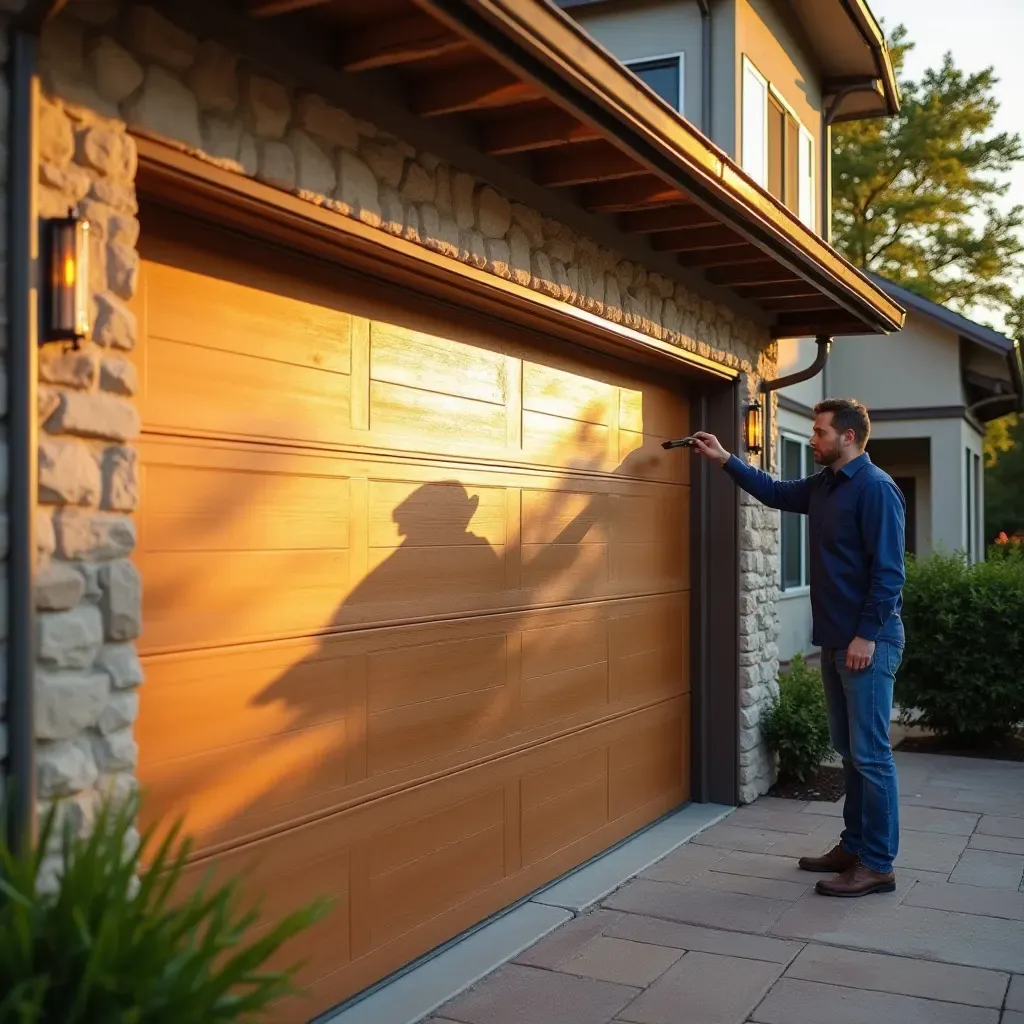
When your garage door is balanced correctly, it works smoothly, just as it should. This reduces strain on key parts like the opener, springs, and cables, helping the entire system last longer.
An unbalanced garage door, however, can lead to serious problems. For instance, it forces the opener to work harder than it’s designed to, which wears down components faster. This can result in expensive repairs or even the need for a full replacement. Even worse, an unbalanced door can unexpectedly slam shut or become difficult to lift, posing safety risks.
Energy efficiency can also suffer. A garage door that doesn’t close properly or leaves gaps can allow drafts, dust, or pests into the garage. Over time, this can increase heating or cooling costs and make the space less comfortable to use.
A balanced garage door, meanwhile, ensures smoother operation, better energy efficiency, and longer-lasting parts. For something as simple as balance, the benefits are hard to ignore!
Energy efficiency can also suffer. A garage door that doesn’t close properly or leaves gaps can allow drafts, dust, or pests into the garage. Over time, this can increase heating or cooling costs and make the space less comfortable to use.
A balanced garage door, meanwhile, ensures smoother operation, better energy efficiency, and longer-lasting parts. For something as simple as balance, the benefits are hard to ignore!
Signs Your Garage Door Might Be Unbalanced

An unbalanced garage door doesn’t always show obvious problems right away, but there are a few signs you can look for:
Spotting these problems early can save you money and prevent further damage. If you’re unsure how to fix garage door cable issues or suspect a larger problem, it’s always a good idea to call a professional for help.
How to Check Your Garage Door’s Balance Safely
Balancing your garage door might sound complicated, but it’s actually a simple process you can check on your own. Here’s how you can test it step by step:
Step 1: Release the Opener
Pull the red emergency release cord to disconnect the door from the opener. This lets you operate the door manually.
Step 2: Lift the Door
Grab the door with both hands and lift it halfway. Let it go and see if it stays in place.
Step 3: Check the Balance
If the door stays in place, your garage door is balanced. If it falls or rises on its own, it’s out of balance and needs adjustment.
Avoid trying to fix springs or cables yourself. These components are under high tension and can cause serious injuries if mishandled. Instead, contact a trusted garage door repair service to handle the job safely and efficiently.
The Risks of Ignoring Garage Door Balance Issues
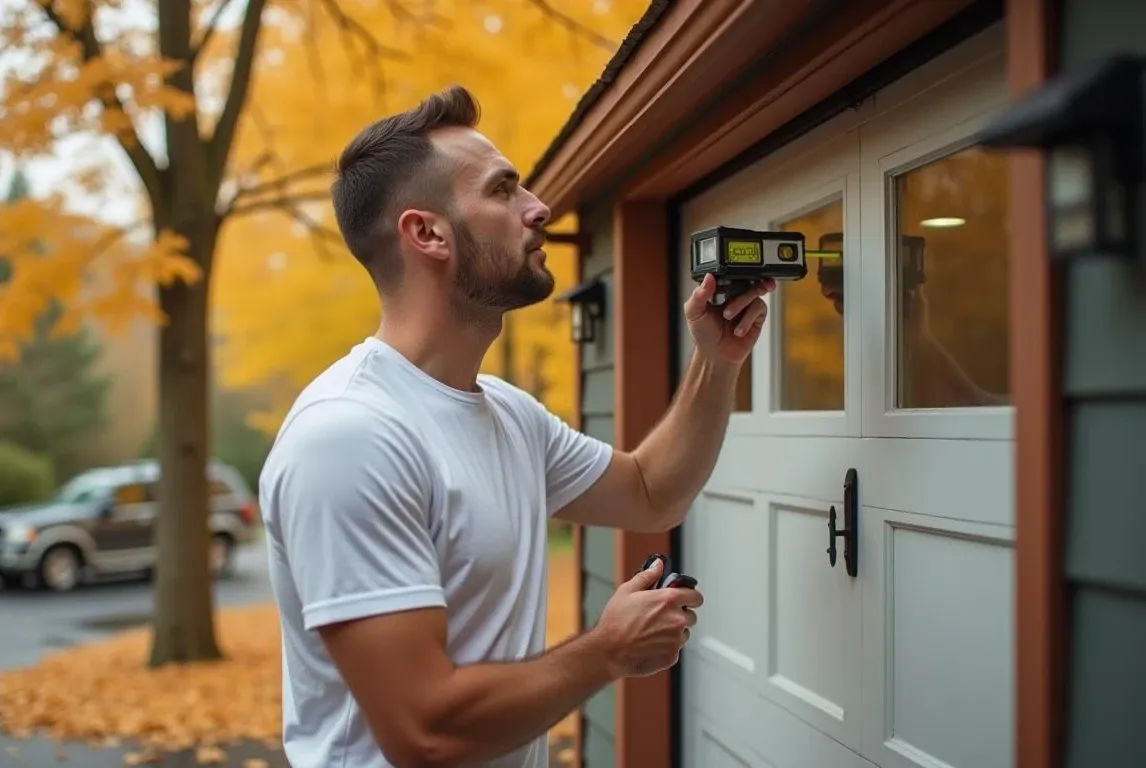
An unbalanced or out-of-track garage door is more than just an inconvenience. The extra stress on your opener, springs, and cables can cause costly repairs – or worse, a total system failure.
An out-of-balance door also poses safety risks. A door that suddenly drops shut can cause injury to you, your family, your pets, or even your vehicles. Additionally, a malfunctioning door can damage your home or its contents.
Finally, an imbalanced garage door can weaken your home’s security. If the door doesn’t seal properly, it leaves your home vulnerable to intruders. Any weaknesses make your home an easy and tempting target. So, take the time to make sure your garage door is balanced. Your safety and peace of mind are worth it!
An out-of-balance door also poses safety risks. A door that suddenly drops shut can cause injury to you, your family, your pets, or even your vehicles. Additionally, a malfunctioning door can damage your home or its contents.
Finally, an imbalanced garage door can weaken your home’s security. If the door doesn’t seal properly, it leaves your home vulnerable to intruders. Any weaknesses make your home an easy and tempting target. So, take the time to make sure your garage door is balanced. Your safety and peace of mind are worth it!
Maintaining Garage Door Balance
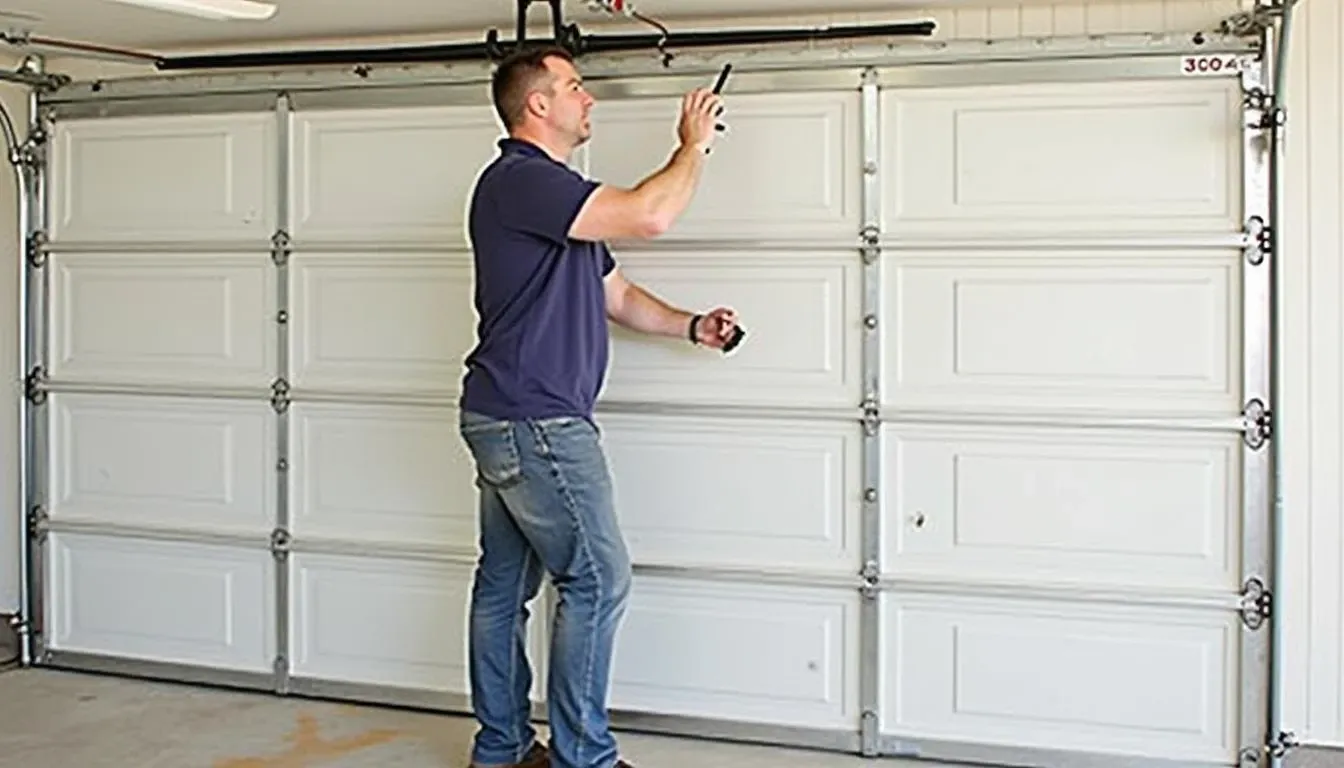
Garage door maintenance isn’t optional – it’s essential and can prevent all kinds of problems down the road, including balance issues. Here are a few easy tips to keep your garage door in optimal condition:
A little effort today goes a long way toward preventing unpleasant and costly surprises later!
Conclusion
Maintaining your garage door balance might not be the most exciting task on your to-do list, but it’s one of the most important. A balanced garage door operates more safely, puts less strain on its components, and helps you avoid costly repairs in the future.
By keeping an eye out for signs of imbalance, performing regular balance tests, and knowing when to call a garage door repair service, you can keep your garage door running smoothly for years to come. Need professional help? 24H Garage Door is here with expert advice, reliable repairs, and service you can trust.
By keeping an eye out for signs of imbalance, performing regular balance tests, and knowing when to call a garage door repair service, you can keep your garage door running smoothly for years to come. Need professional help? 24H Garage Door is here with expert advice, reliable repairs, and service you can trust.
Frequently Asked Questions (FAQ)
Why is regularly checking my garage door balance so important?
An unbalanced garage door places excessive mechanical strain on your electric opener motor, leading to premature wear, stripped internal gears, and costly motor failure. Proper balance ensures the counterbalance spring system carries the dead weight of the door (often 150 to 300 pounds), allowing it to operate smoothly, quietly, and safely without risking a sudden drop.
How do I perform a manual balance test on my garage door?
First, close the garage door completely and pull the red emergency release cord to disconnect the opener trolley from the motor. Using both hands, manually lift the door to roughly waist height (about 3 to 4 feet off the ground) and let go. A properly balanced door should remain stationary in that position, supported entirely by its spring system, without sliding down or springing upward.
What are the common warning signs of an unbalanced garage door?
Warning signs include a door that looks crooked or slanted while moving, loud groaning or straining noises coming from the electric opener, the door slamming shut heavily when closing, or a door that moves sluggishly and refuses to open all the way. You may also notice frayed steel lifting cables or uneven gaps along the floor when the door is closed.
What causes a garage door to lose its balance over time?
The primary cause of imbalance is natural spring fatigue and steel elasticity loss. Torsion and extension springs undergo severe stress over thousands of open-and-close cycles, causing them to gradually lose tension. Other contributing factors include shifting track alignment, loose mounting hardware, and temperature fluctuations that cause metal components to expand and contract.
How often should I test the balance of my residential garage door?
You should perform a manual balance test at least twice a year—ideally during your seasonal spring and fall maintenance routines. If your garage serves as the primary entrance to your home and cycles 4 to 6 times a day or more, check the balance and inspect the springs every three to four months.
Can I adjust or fix an unbalanced garage door spring system myself?
No, adjusting or winding garage door torsion and extension springs involves extreme mechanical tension and is highly dangerous for untrained individuals. Attempting to loosen or tighten spring cones without specialized winding bars and professional training can cause the spring to snap or recoil violently, resulting in severe property damage or traumatic physical injury. Always call a certified garage door technician to recalibrate spring tension.
Frequently Asked Questions
Why is regularly checking my garage door balance so important?
An unbalanced garage door places excessive mechanical strain on your electric opener motor, leading to premature wear, stripped internal gears, and costly motor failure. Proper balance ensures the counterbalance spring system carries the dead weight of the door (often 150 to 300 pounds), allowing it to operate smoothly, quietly, and safely without risking a sudden drop.
How do I perform a manual balance test on my garage door?
First, close the garage door completely and pull the red emergency release cord to disconnect the opener trolley from the motor. Using both hands, manually lift the door to roughly waist height (about 3 to 4 feet off the ground) and let go. A properly balanced door should remain stationary in that position, supported entirely by its spring system, without sliding down or springing upward.
What are the common warning signs of an unbalanced garage door?
Warning signs include a door that looks crooked or slanted while moving, loud groaning or straining noises coming from the electric opener, the door slamming shut heavily when closing, or a door that moves sluggishly and refuses to open all the way. You may also notice frayed steel lifting cables or uneven gaps along the floor when the door is closed.
What causes a garage door to lose its balance over time?
The primary cause of imbalance is natural spring fatigue and steel elasticity loss. Torsion and extension springs undergo severe stress over thousands of open-and-close cycles, causing them to gradually lose tension. Other contributing factors include shifting track alignment, loose mounting hardware, and temperature fluctuations that cause metal components to expand and contract.
How often should I test the balance of my residential garage door?
You should perform a manual balance test at least twice a year—ideally during your seasonal spring and fall maintenance routines. If your garage serves as the primary entrance to your home and cycles 4 to 6 times a day or more, check the balance and inspect the springs every three to four months.
Can I adjust or fix an unbalanced garage door spring system myself?
No, adjusting or winding garage door torsion and extension springs involves extreme mechanical tension and is highly dangerous for untrained individuals. Attempting to loosen or tighten spring cones without specialized winding bars and professional training can cause the spring to snap or recoil violently, resulting in severe property damage or traumatic physical injury. Always call a certified garage door technician to recalibrate spring tension.