Overhead Garage Door Options with Smart Lighting Integration
Published: Apr 8, 2026
For decades, the garage door has been a purely functional part of our homes—a simple barrier against the elements. Its lighting was an afterthought, a single, harsh bulb in the opener that did little more than prevent you from tripping in the dark. But for the modern home, where clean lines and integrated technology define the aesthetic, the garage door is no longer just a utility. It's a canvas.
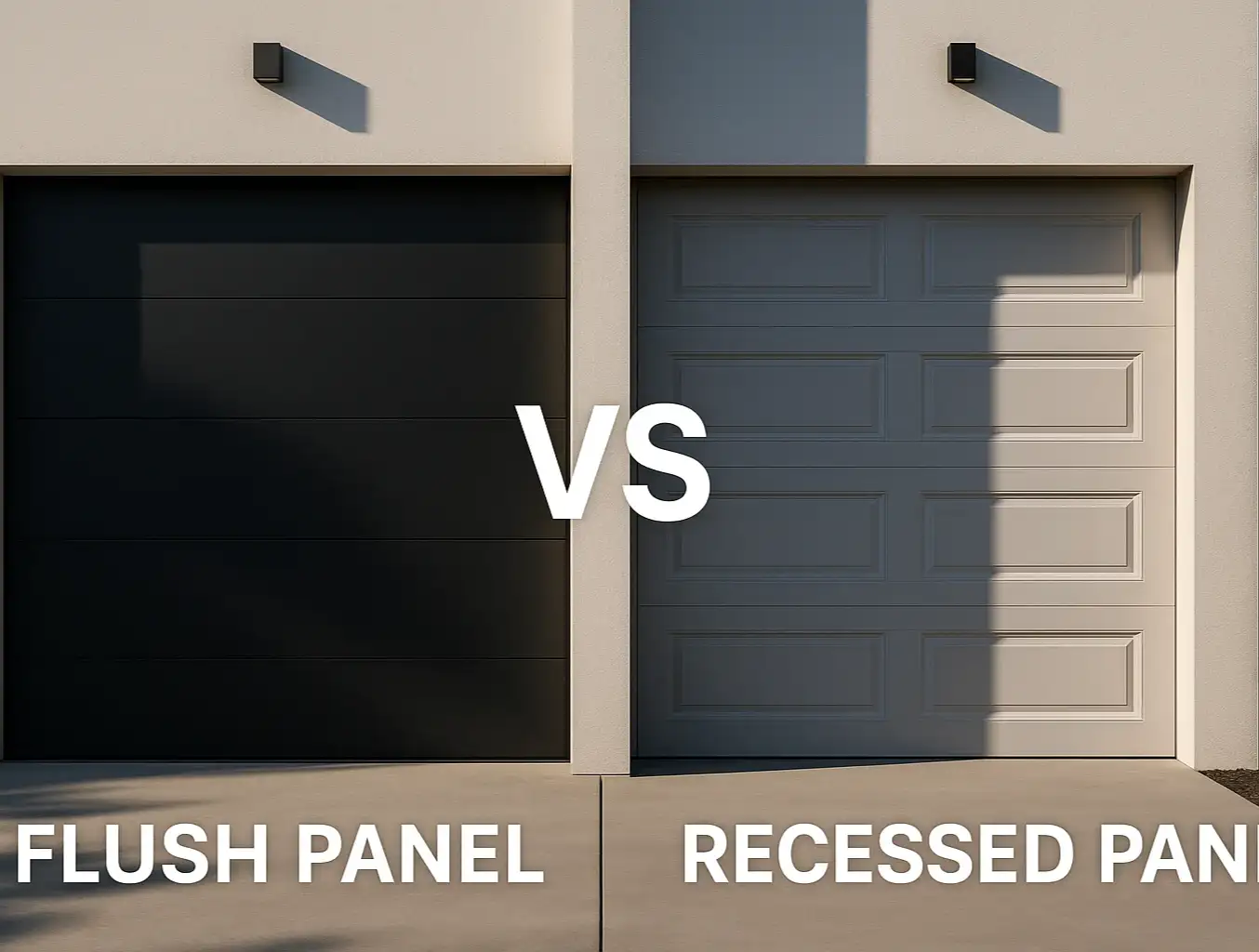
Imagine pulling into your driveway at dusk. Instead of fumbling for a switch, a soft, ambient glow emanates from the seams of your flush-panel garage door, highlighting its architectural form. As the door silently glides open, a "Welcome Home" scene activates, illuminating the interior and casting a warm, safe path into your home. This isn't a futuristic concept; it's the reality of integrated smart lighting, and it's completely changing how we see our garages.
This guide is your starting point for understanding how to merge design, security, and convenience. We'll explore the options, untangle the tech, and show you how to turn the largest moving part of your home into its smartest feature.
Foundation: Understanding the Palette - Types of Smart Garage Lighting
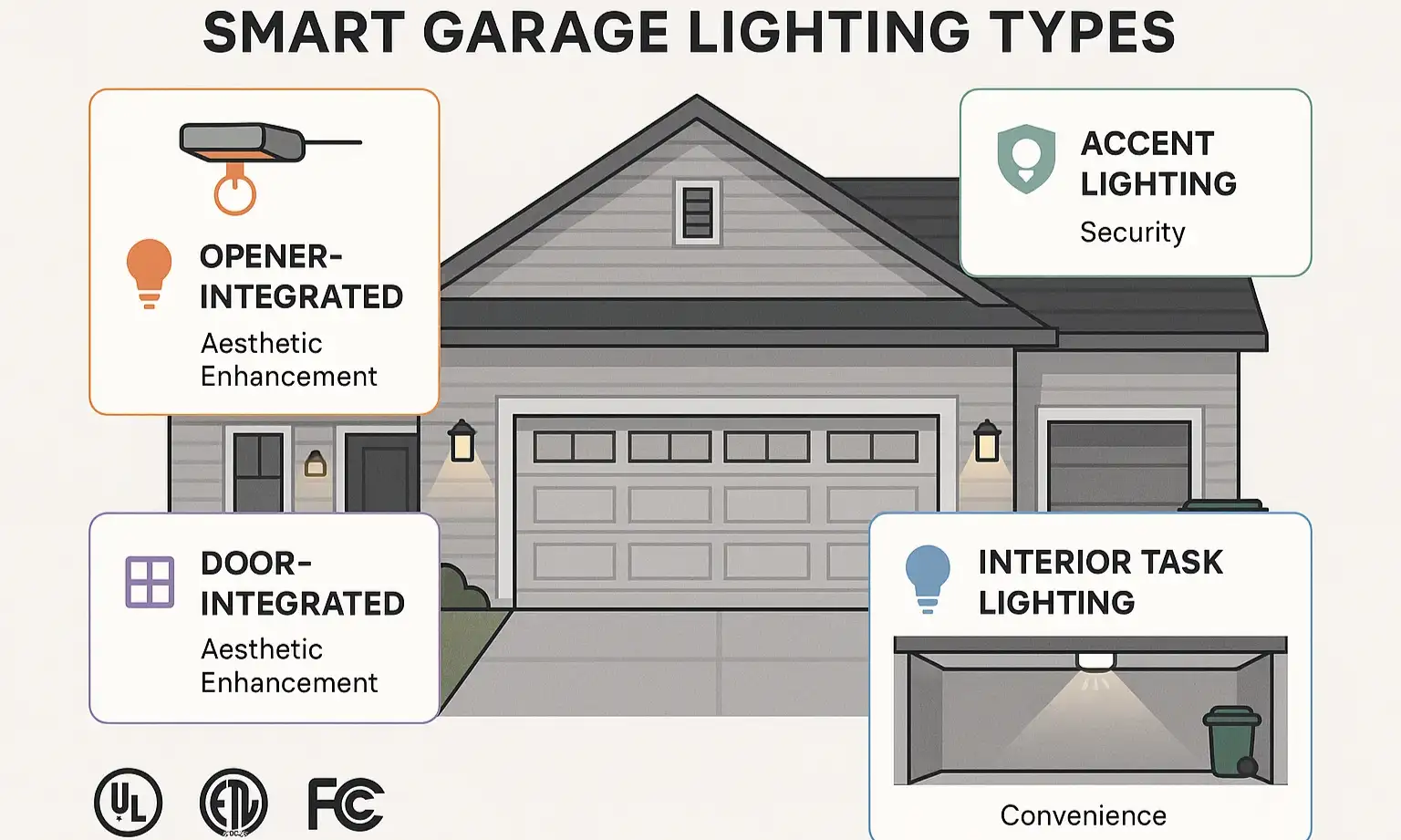
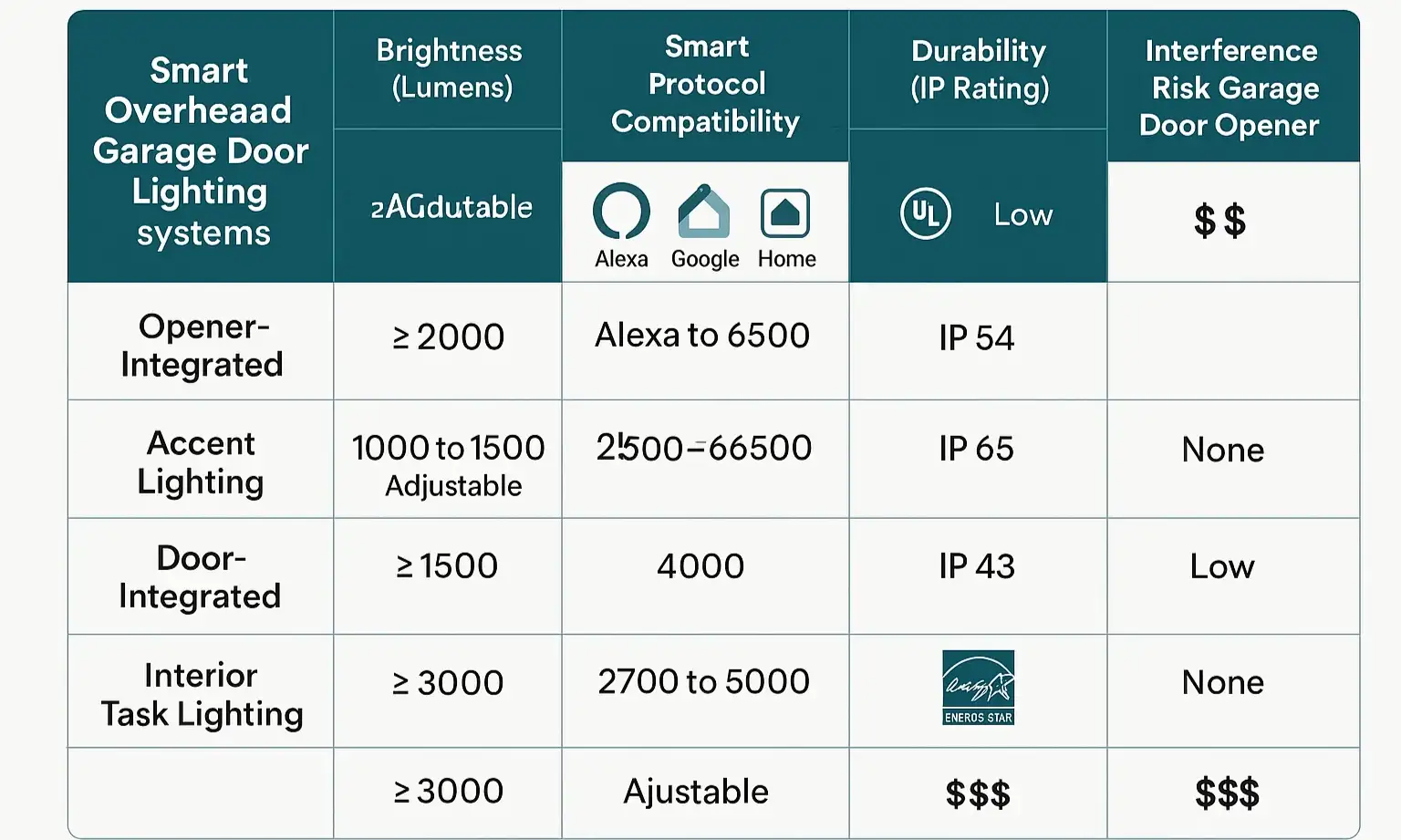
- Opener-Integrated Lighting: This is the simplest entry point. It involves replacing the standard bulb in your garage door opener unit with a smart bulb (like Philips Hue or Wyze Bulb). You can then control this light with your phone, set schedules, and link it to your opener's operation.
- Smart Accent Lighting: These are the exterior fixtures that frame your garage, such as sconces or downlights. By using smart bulbs or installing smart switches, you can integrate them into your home's ecosystem for automated scheduling and security routines, dramatically boosting curb appeal.
- Door-Integrated LED Systems: This is where the magic happens for modern aesthetics. These systems involve mounting weatherproof LED strips or custom panels directly onto the garage door itself. They can provide backlighting, perimeter lighting, or create stunning visual effects, turning the door into a dynamic architectural element.
- Interior Task & Bay Lighting: Beyond the opener's single bulb, this includes smart overhead fixtures, LED shop lights, or track lighting inside the garage. They provide brilliant, controllable illumination for projects, organization, or simply finding what you need without fumbling for a pull-cord.
Building: The Blueprint - Planning & Installing Your System
Part 1: Planning Your Design
Part 2: Installation Essentials
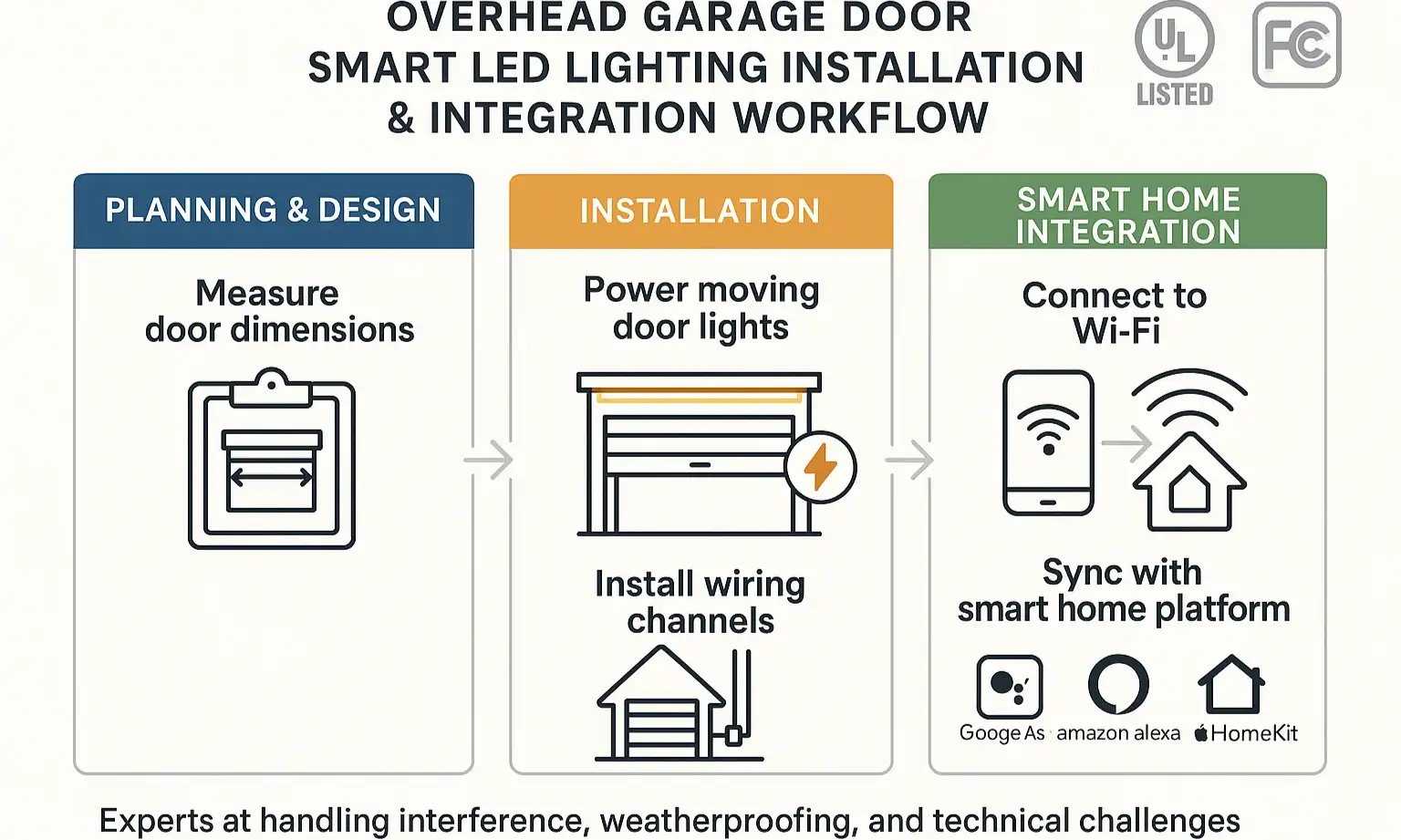
- Mounting the Lights: Securely attaching the weatherproof LED strips or panels to the door.
- Wiring the Door: Running the low-voltage wire discreetly along the door's interior panels.
- Connecting Power: Installing a power transfer cable that can flex and move with the door without getting tangled or damaged.
- Installing the Controller: Connecting the lights to a smart controller (which may use WiFi, Zigbee, or another protocol) located inside the garage.
Part 3: Smart Integration
Mastery: The Automated Home - Advanced Scenes & Security Recipes
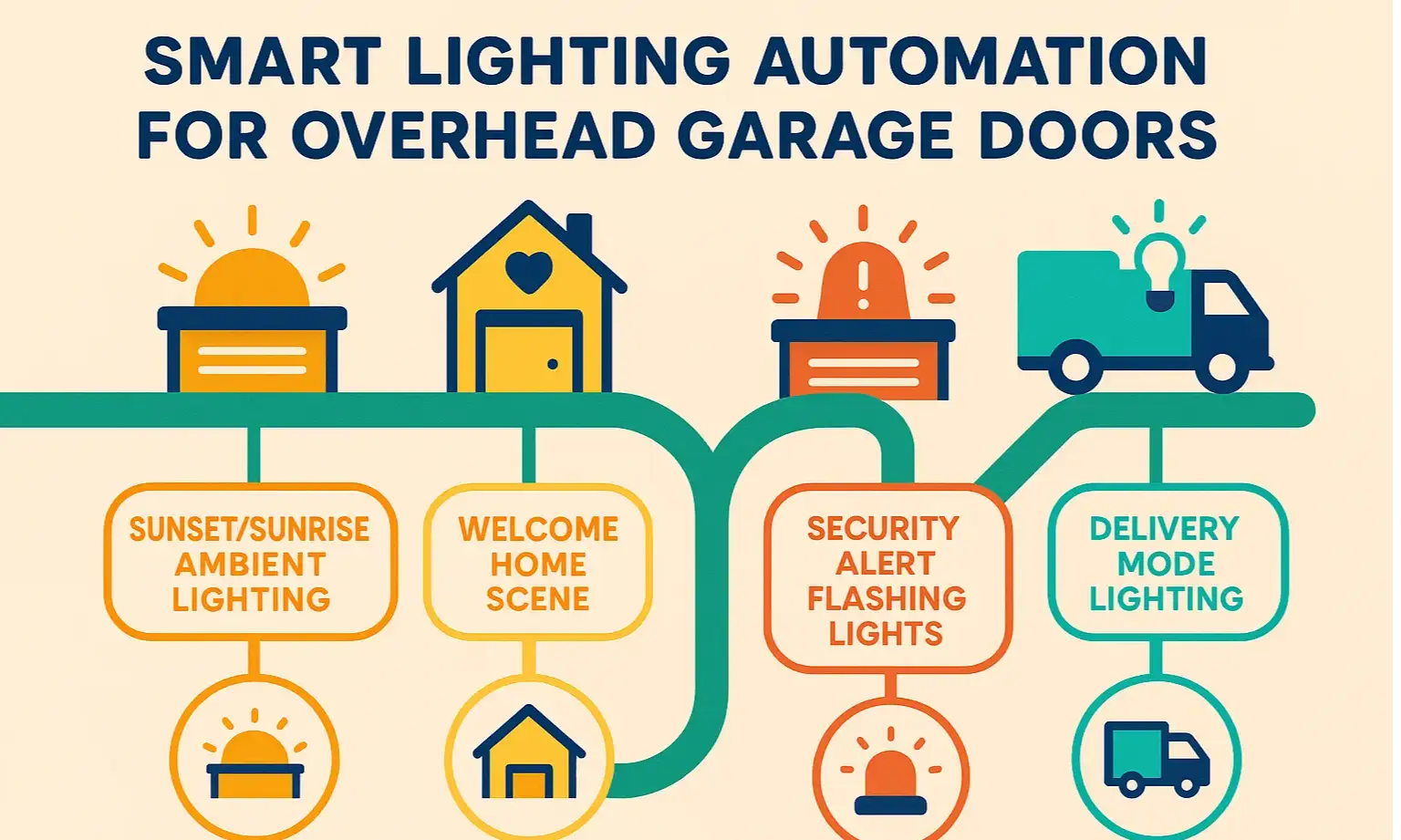
- "Welcome Home" Scene: Link your garage door opener to your lights. When the door opens after sunset, the interior bay lights turn on to 100%, the exterior accents glow warmly, and a path of lights inside your home illuminates.
- "Security Alert" Routine: Integrate your lights with an outdoor security camera or motion sensor. If motion is detected in the driveway between 11 PM and 5 AM, all exterior garage lights flash red twice, then turn to full-brightness cool white, deterring potential intruders. This automation is a key part of leveraging AI in modern garage door security.
- "Delivery Mode" Automation: Create a specific lighting scene for package deliveries. When a delivery driver approaches, you can trigger a scene that illuminates the drop-off area, making their job easier and confirming the delivery on camera.
- "Sunset" Curb Appeal: Program your exterior and door-integrated lights to automatically turn on to a soft, 30% warm glow 15 minutes after sunset each day, ensuring your home always looks its best.
Action: The Buyer's Toolkit - Choosing Your System
The "Aha" Moment: LED Interference
Your Feature Checklist
- Brightness (Lumens): How much light is produced. For security, aim for higher lumens; for accent, lower is fine.
- Color (Kelvin & RGB): Do you want a fixed warm/cool white, or full RGB color-changing ability?
- Weatherproofing (IP Rating): This is non-negotiable for exterior lights. Look for a rating of IP65 or higher, which ensures protection against dust and jets of water.
- Smart Protocol: How does it connect? Wi-Fi is common, but systems using Zigbee or Z-Wave may be more reliable as they create their own mesh network.
- Compatibility: Does it work with your preferred smart home ecosystem (Alexa, Google, HomeKit)?
Need more information?
Get a free quote
FAQ: Your Smart Garage Lighting Questions Answered
Which smart lighting systems are compatible with my garage door opener?
Can I use an indoor smart plug to control my exterior garage lights?
My garage door opener light is not working after installing a new smart bulb. What's wrong?
How do I know if an LED strip is durable enough for a garage door?
Your Home, Reimagined
You may also like