
The Ultimate Guide to Insulated Garage Doors
Published: Apr 2, 2026
You’ve optimized your windows, sealed your doors, and maybe even boosted your attic insulation. But if you have an attached garage, you might be overlooking the largest, uninsulated hole in your home: your garage door. Think of it as a giant, heat-leaking or heat-absorbing wall that can sabotage your energy bills and comfort year-round.
For the modern, climate-conscious homeowner, understanding how an insulated sectional overhead door works isn't just a technical detail—it's a fundamental step toward a more efficient and comfortable home. Let's break down what you need to know, without the confusing jargon, so you can see your garage door in a new light.
What Really Makes a Garage Door "Insulated"? (The 5-Minute Expert)
At first glance, most garage doors look similar. The real magic, however, is hidden inside. When we talk about "insulation," we're talking about a core material sandwiched between the door's steel or aluminum panels. This core is what slows the transfer of heat, keeping your garage (and by extension, your home) warmer in the winter and cooler in the summer.
Here are the three key concepts you'll encounter:
R-Value Explained: Your Door's "Sweater" Rating
You'll see "R-value" mentioned everywhere, and it's simpler than it sounds. R-value measures a material's resistance to heat flow. The higher the R-value, the better it insulates—just like a thicker sweater provides more warmth than a t-shirt.
- Low R-value (R-0 to R-6): Basic protection, suitable for detached garages or very mild climates.
- Mid R-value (R-7 to R-12): A significant upgrade, offering good performance in moderate climates.
- High R-value (R-13 and up): Premium insulation, ideal for harsh hot or cold climates and homes where the garage is used as a living or workspace.
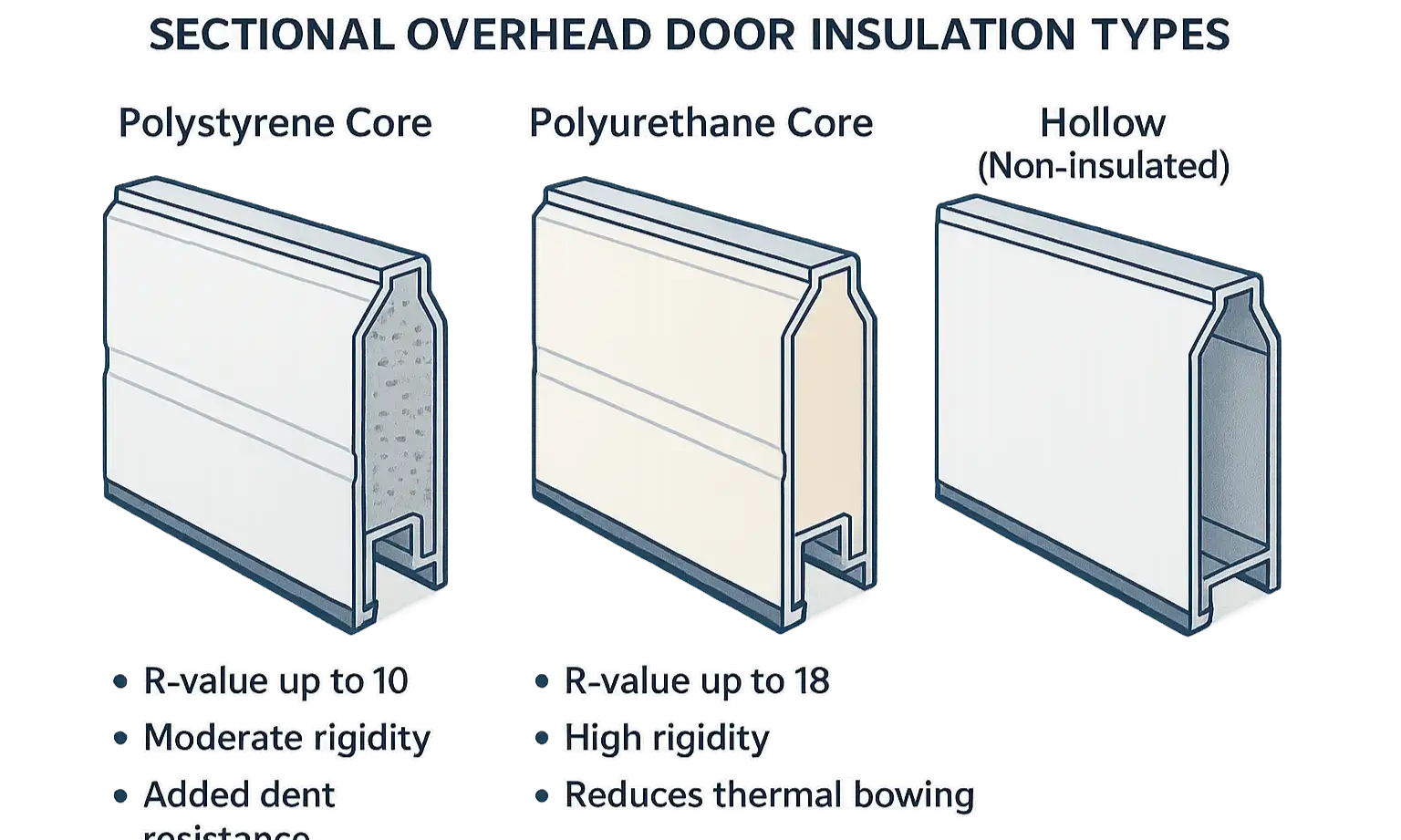
The Two Main Players: Polystyrene vs. Polyurethane
The type of insulation core makes a massive difference in both R-value and durability.
- Polystyrene: This is a rigid foam board, often cut to fit and glued to the inside of the garage door panels. It's a cost-effective choice that provides good insulating value. Think of it as the reliable workhorse of garage door insulation.
- Polyurethane: This is a liquid foam that's injected between the steel panels, where it expands to fill every single nook and cranny. This process creates a stronger, more rigid door with a significantly higher R-value per inch compared to polystyrene. It's the high-performance option for those seeking maximum efficiency and strength.
To learn more about the specifics, you can explore different garage door insulation types and how they perform.
The Sandwich Model: 1, 2, and 3-Layer Doors
The way these materials are put together is called the door's construction.
- 1-Layer (Hollow): A single layer of steel. No insulation.
- 2-Layer (Insulated): A layer of steel with a visible polystyrene insulation board on the back.
- 3-Layer (Sandwich): An insulation core (polystyrene or polyurethane) sandwiched between two layers of steel. This is the strongest, most energy-efficient, and quietest option.
How to Choose the Right Insulation for Your Home and Climate
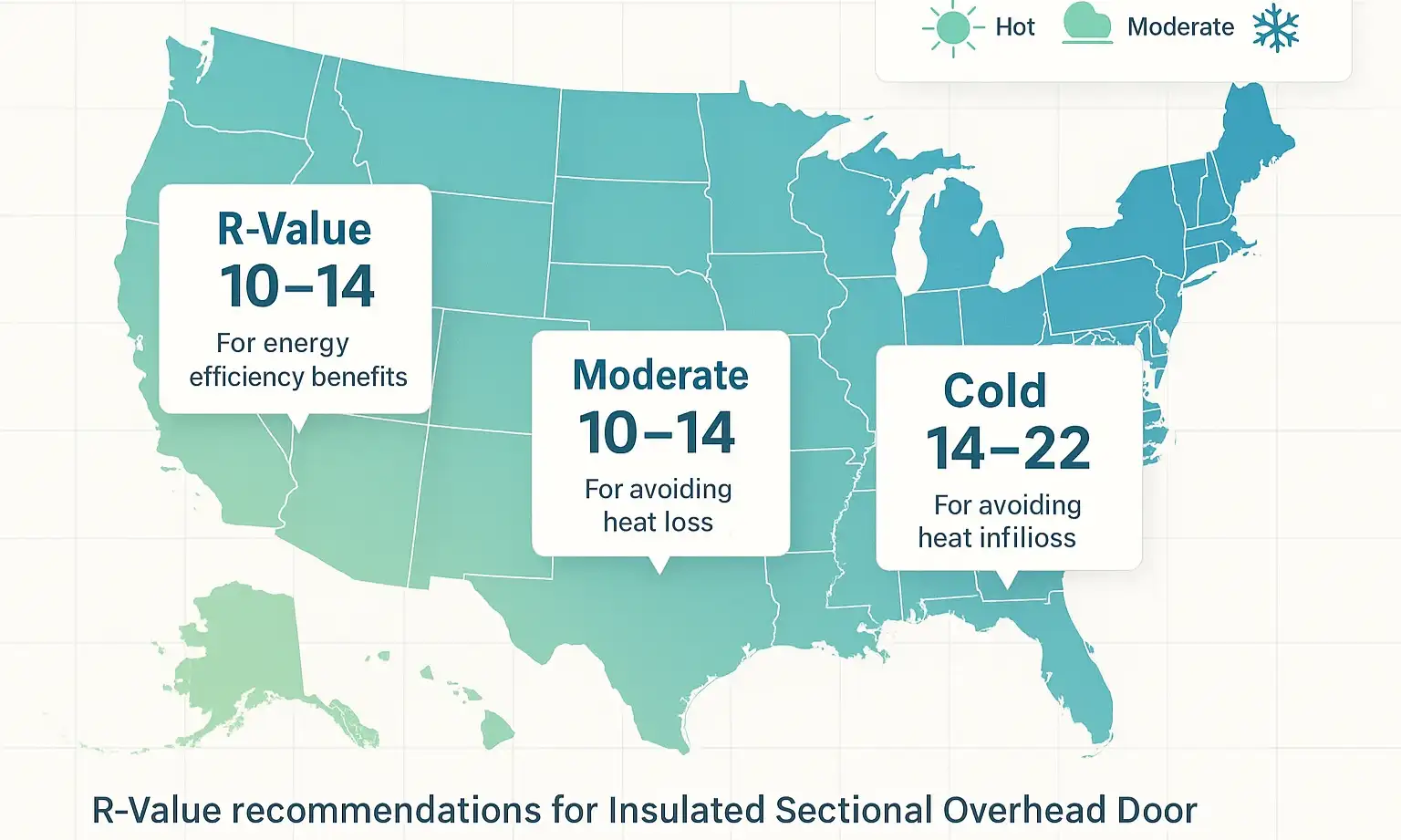
The "best" R-value isn't a one-size-fits-all number; it's entirely dependent on where you live and how you use your garage. This is the single most important factor in your decision.
For Hot Climates: It's Not Just About Keeping Heat Out
If you live in a place like Arizona or Florida, your garage door bakes in the sun all day. A high R-value door acts as a barrier, preventing that radiant heat from turning your garage into an oven and seeping into your home.
Advanced Problem - Thermal Bowing: Have you ever seen a dark-colored garage door warp or bow inward on a hot, sunny day? That's "thermal bowing." The intense heat causes the exterior steel to expand. A door with injected polyurethane insulation is much more rigid and structurally sound, significantly reducing the risk of this happening.
For Cold Climates: Your Fortress Against the Freeze
In states like Connecticut or Minnesota, the primary goal is preventing precious heat from escaping. A well-insulated door keeps the garage temperature stable, protecting your cars from extreme cold and creating a thermal buffer for your house.
Advanced Problem - Cold Weather Sensor Issues: Garage door safety sensors can sometimes fail in extreme cold, causing the door to refuse to close. While insulation doesn't directly fix the sensors, it helps keep the ambient temperature in the garage just high enough to prevent this common frustration. If you find your garage door opener not working, cold weather could be a contributing factor.
The Attached vs. Detached Garage Factor
This is a simple but crucial decision point:
- Attached Garage: Insulation is highly recommended. Your garage shares one or more walls with your living space. Any temperature fluctuation in the garage directly impacts your home's energy consumption and comfort.
- Detached Garage: Insulation is optional. If you don't heat or cool the space and don't use it as a workshop, a non-insulated door is often sufficient.
The Surprising Benefits Beyond Temperature Control
Energy efficiency is the main event, but an insulated door brings some fantastic secondary benefits to the table.
The Dent Test: How Insulation Adds Strength
A 3-layer "sandwich" door is dramatically more robust than a hollow one. The bonded insulation core provides rigidity, making the door far more resistant to dents from basketballs, bicycles, and everyday bumps.
Peace and Quiet: The Unsung Hero of Insulation
One of the first things people notice after upgrading is how much quieter their new door is. The dense core dampens vibrations and rattles, making operation smoother. It also provides an excellent sound barrier against street noise.
The Financial Payoff: Calculating Your Return on Investment
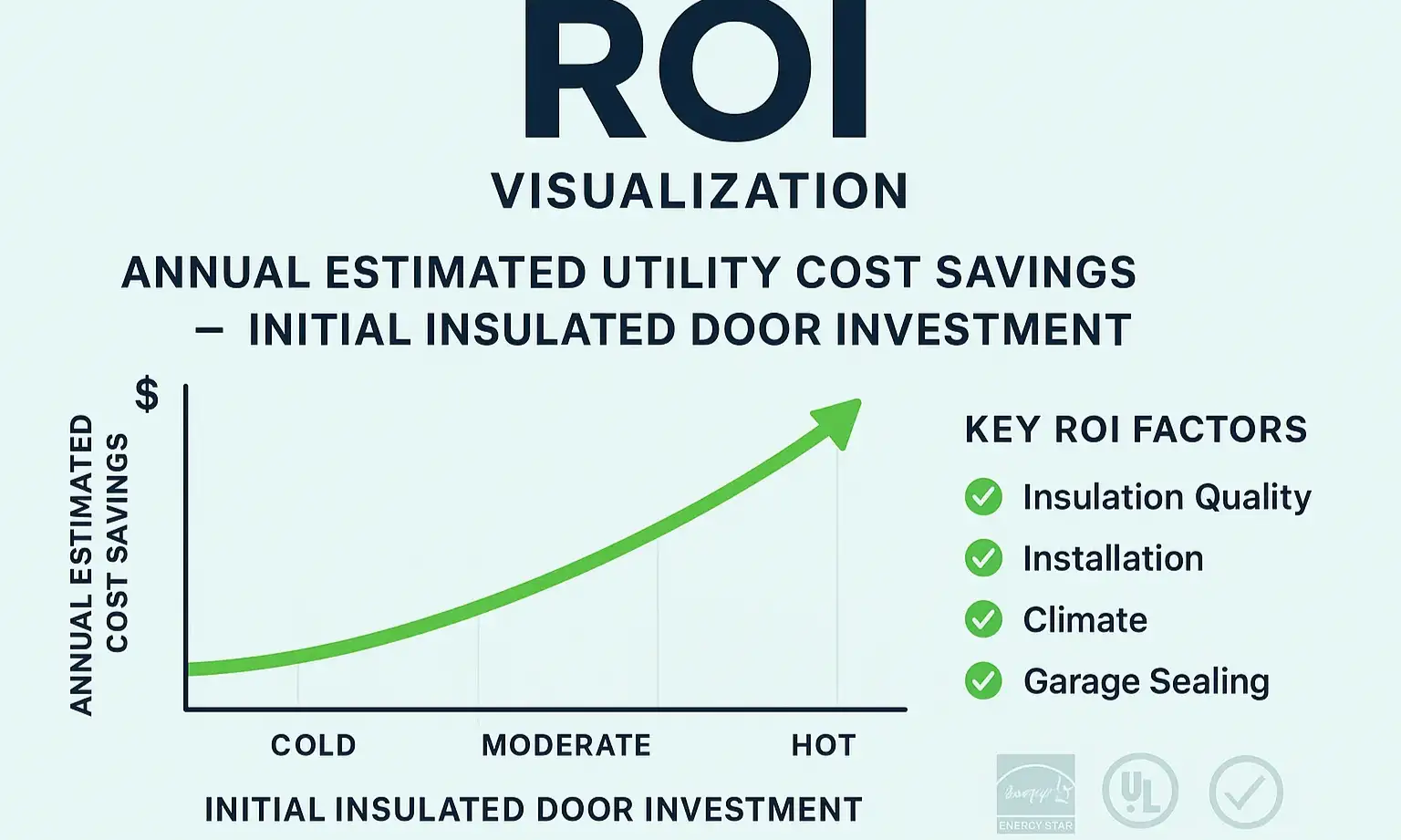
While an insulated door costs more upfront, the question of whether an insulated vs non insulated garage door is a better investment often comes down to long-term savings. An energy-efficient door can reduce your heating and cooling costs, offering a tangible return over the life of the door. The exact savings depend on your climate, R-value, and utility rates, but the comfort and durability benefits are immediate.
MythBuster Callout: An insulated door is only one part of the system. Its effectiveness is maximized when the rest of the garage is also sealed. Ensure the weatherstripping around the door is in good shape and consider if your garage walls and ceiling need insulation to create a truly energy-efficient space.
Your Smart Purchase Checklist
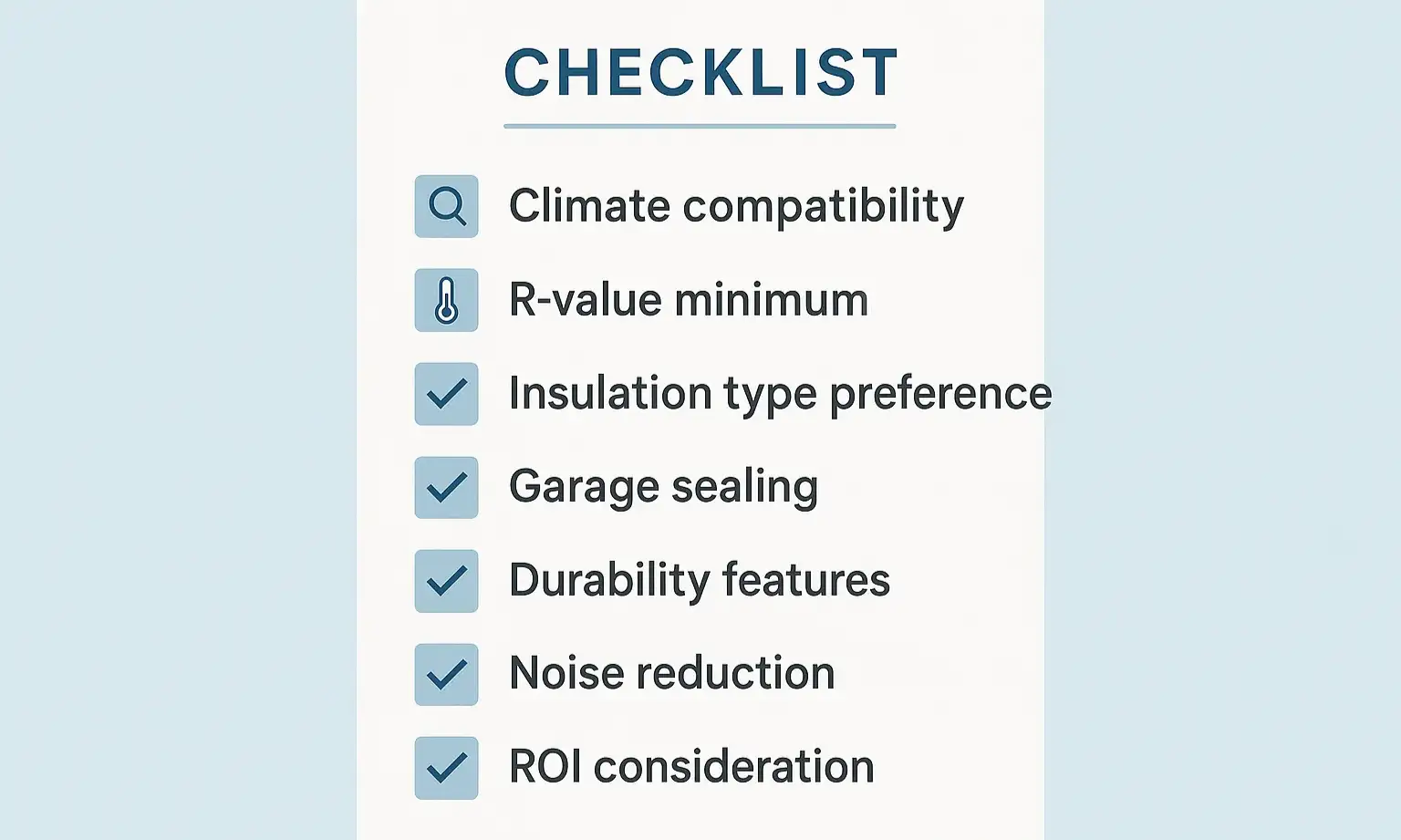
Feeling ready to explore your options? Keep this checklist handy to make a confident, informed decision.
Need more information?
Get a free quote
Deep Dive: Connecting the Dots to Your Home's Style
Choosing the right insulation is the technical foundation of a great garage door, but it doesn't exist in a vacuum. This functional choice pairs directly with the aesthetic of your home. Modern architectural styles often benefit from the clean lines of specific door types. For instance, the superior rigidity of a 3-layer polyurethane door allows for wider, more seamless designs, which are perfect for contemporary homes that favor flush vs recessed garage doors. As you continue your journey, remember that the best door is one that performs brilliantly and complements your home's unique character.
Frequently Asked Questions (FAQ)
Do insulated garage doors really make a difference?
Yes, especially for attached garages. They can keep the garage 10-20 degrees warmer in winter and cooler in summer, which reduces energy transfer to your home, lowers utility bills, and increases overall comfort.
How much more expensive is an insulated garage door?
Insulated doors have a higher upfront cost than non-insulated ones, with the price increasing with the R-value and construction (e.g., polyurethane costs more than polystyrene). However, this cost should be weighed against potential long-term energy savings and increased durability.
What is a good R-value for a garage door?
- Mild Climates: R-6 to R-9 is often sufficient.
- Moderate Climates: R-10 to R-13 provides a great balance of performance and value.
- Harsh Cold/Hot Climates: Aim for R-14 and above for maximum efficiency.
Will an insulated door help if my garage walls aren't insulated?
It will still help significantly. The garage door is the largest single source of heat transfer. While insulating the walls and ceiling will maximize the effect, upgrading the door alone provides a noticeable improvement in temperature stability and energy efficiency.
Choosing the right garage door is a major decision, but it doesn't have to be a complicated one. By understanding these core principles, you're no longer just a browser; you're an informed homeowner ready to make a smart investment in your home's comfort, efficiency, and value. For homeowners in need of professional advice or installation for insulated garage doors in Connecticut, consulting with experts can ensure you get the perfect fit for your local climate.
You may also like


