How to Replace a Garage Door Spring: Explained by Garage Experts
Published: Feb 24, 2026
Most of us use our garage door daily without a thought. However, if it suddenly acts up, the springs are often the cause. These aren’t just simple parts — garage door springs are under extreme tension and are key to your door’s smooth movement. Many homeowners look up how to replace garage door springs, but doing it yourself can be extremely risky. This article will help you understand these powerful springs, spot trouble signs, and see why professional help is always the smartest option.
Understanding the Power Behind Garage Door Springs
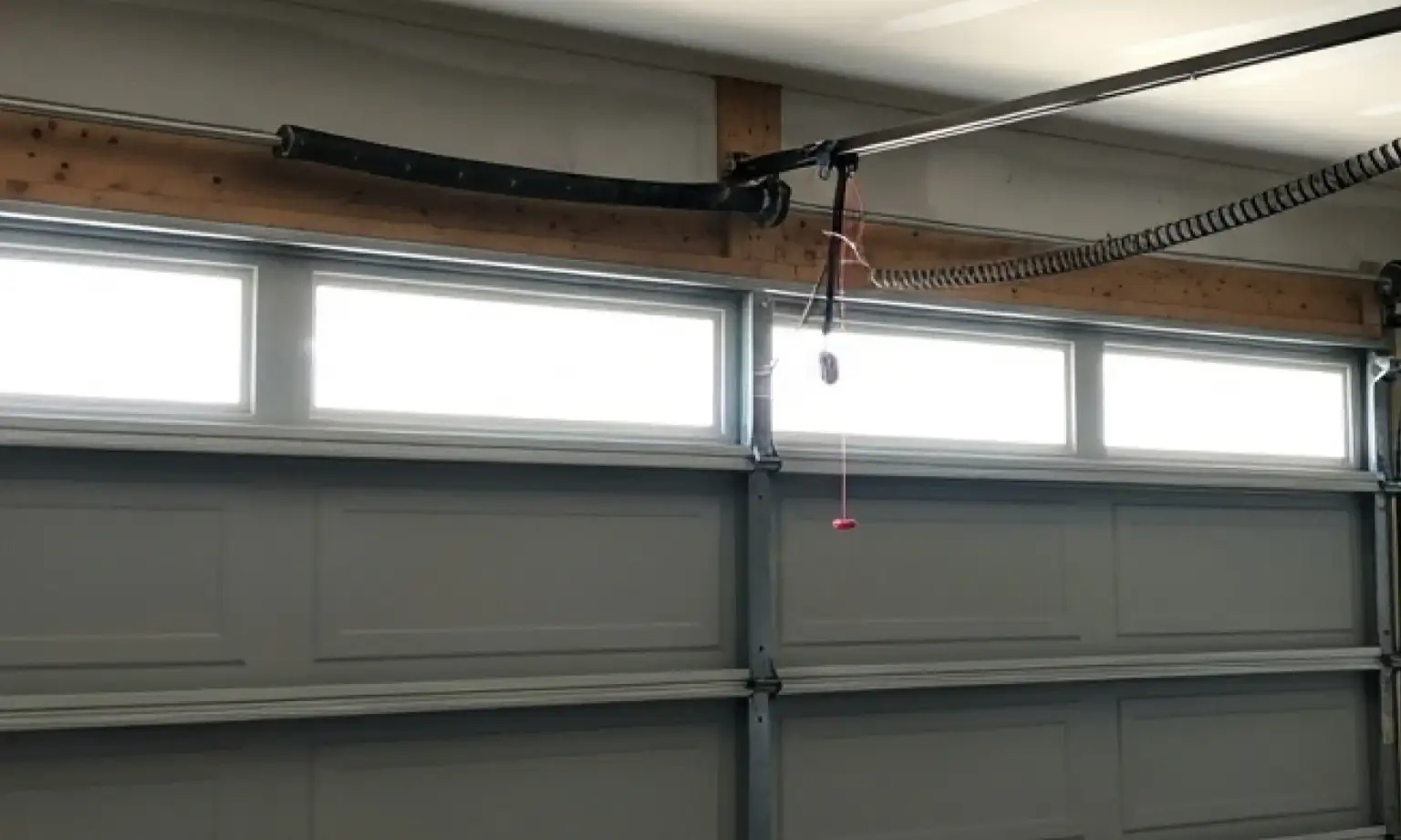
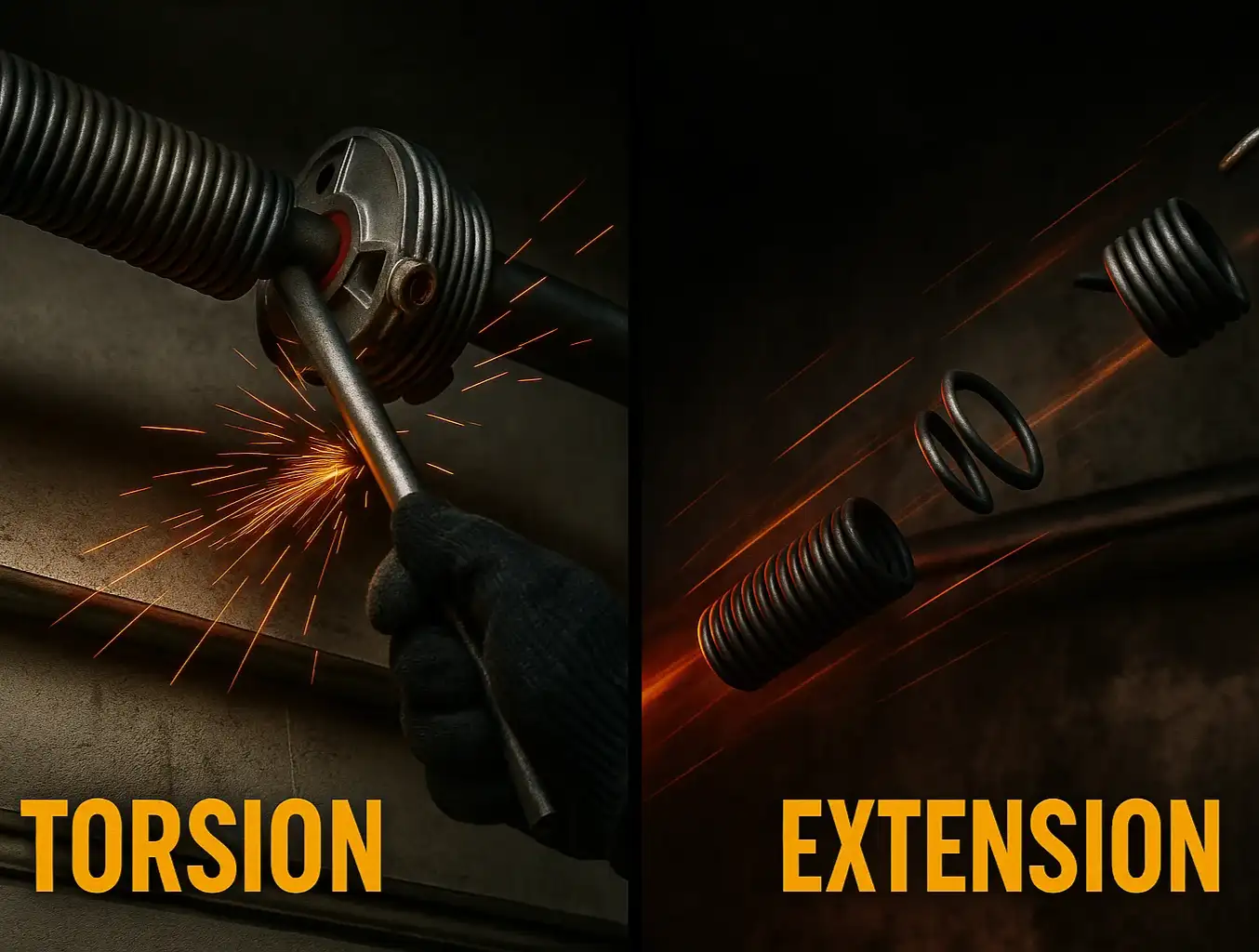
Garage door springs counterbalance the full weight of the door. This makes it possible to lift it by hand or with an automatic opener. There are two types: torsion springs, mounted above the door, and extension springs, found along the side tracks.
Both types are tightly wound to store energy — and that energy can release suddenly if something goes wrong. That’s exactly why the springs are dangerous. They’re not like other parts of your garage door system. Adjusting or replacing them without the right training can lead to serious injury. This kind of repair takes skill, specific tools, and a clear understanding of how garage systems work.
When Your Garage Door Springs Need Attention (Signs of Broken Garage Door Springs)
Spotting issues with your garage door springs early can prevent bigger problems and keep your home safer. If you notice any of these signs, your springs might be failing, or you could have broken garage door springs:
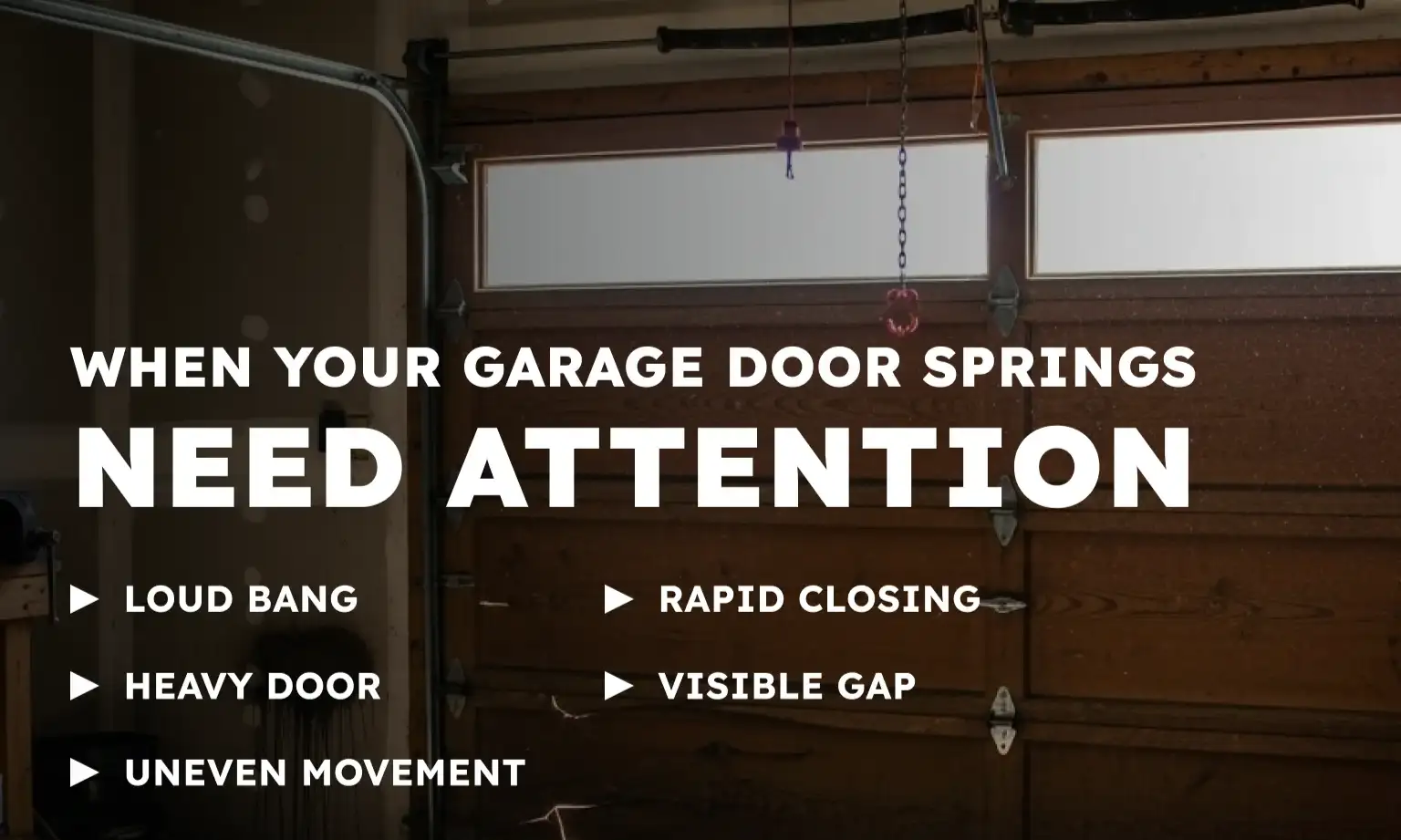
- Loud Bang: A sudden, loud noise from your garage, especially when the door is closed, often means a spring has snapped.
- Heavy Door: If your garage door becomes very heavy to lift by hand or your opener struggles, the springs aren’t providing enough counterweight.
- Uneven Movement: A door that opens or closes crookedly, with one side higher, likely indicates a failing or broken spring causing imbalance.
- Rapid Closing: If the door drops quickly instead of descending smoothly, the springs are no longer controlling its weight.
- Visible Gap: For torsion springs, you might see a clear break or gap in the spring itself.
Noticing these issues promptly is key to preventing further damage to your garage door. For more details on what these problems mean for your system, check out our article on broken garage door springs.
How to Replace Garage Door Springs: Should You DIY? (A Word of Caution)
Online guides on how to replace a broken garage door spring, how to change garage door springs, or how to replace garage door torsion springs often make it sound doable. However, they don’t always show what happens when things go wrong.
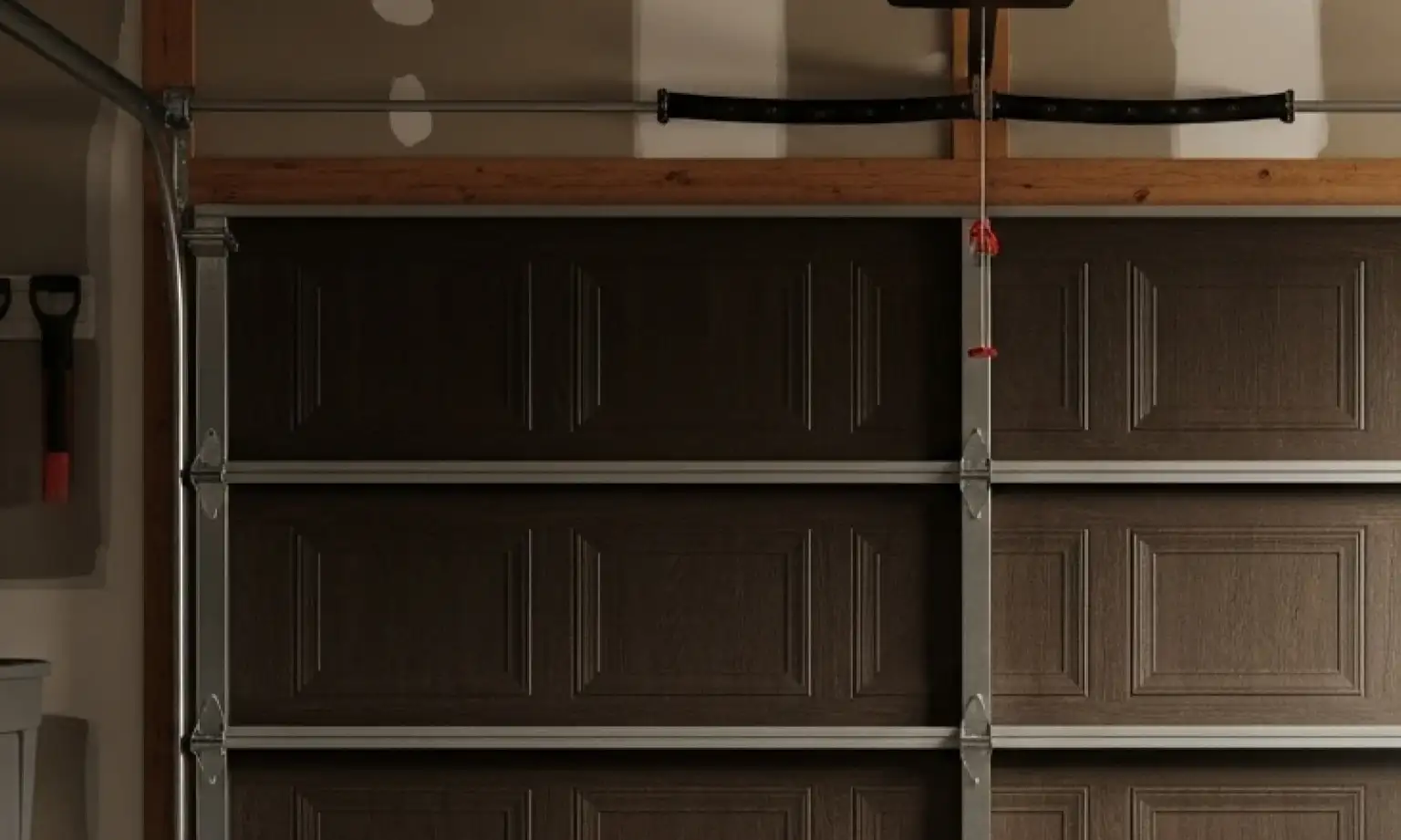
Even trying to replace garage door extension springs — which may seem simpler — can lead to serious injury if handled incorrectly. Trying to change torsion springs on a garage door yourself is even riskier. These springs hold a tremendous amount of force and can cause major damage if they snap unexpectedly.
Professional installers use the correct winding bars and know exactly how much tension your door requires. This isn’t guesswork — it’s precise work based on training and experience. Letting a pro handle it is the safest way to protect yourself and your property.
Getting Your Garage Door Fixed Right with 24H Garage Doors
A broken garage door spring is a hazard that needs immediate attention. Operating your door with a broken spring can also cause more damage to your opener and other parts. Instead of risking harm or further expense by trying to replace a broken garage door spring yourself, turn to the experts for assistance. At 24H Garage Doors, we specialize in safe and effective garage door spring repair for both residential and commercial garage doors, using the right tools and years of hands-on experience. Reach out today for trusted service — and get your garage door working again, without the risk.
FAQs About Garage Door Springs
How do I know if I need to replace my garage door springs?
You might hear a loud snap, notice your door feels much heavier, or see it open unevenly. If the door drops quickly when closing or you see a visible gap in a spring, it’s time to replace the garage door springs.
What’s the process for a professional garage door spring repair?
A professional will inspect your door, safely remove the broken spring(s), install the correct new ones, adjust the tension precisely, and test the door’s balance and operation.
How to replace garage door extension springs — is it any safer than torsion spring replacement?
While replacing garage door extension springs may seem easier than dealing with torsion springs, both types carry high tension and require caution. Extension springs can still snap and cause injury if handled incorrectly. It’s best to have a trained technician handle the replacement safely.
How to change torsion springs on a garage door — can I do it myself?
Searching for how to change torsion springs on a garage door often leads to DIY videos, but this task involves high torque and specific tools. Without proper experience, the risk of serious injury is high. It’s a job best left to professionals who know how to release and set the right tension safely.
What if I have an older garage door and need to replace old-style garage door springs?
Older garage doors can have unique spring systems. Professionals are familiar with various types and know how to replace old-style garage door springs safely and effectively, even if they are less common today.
You may also like