You probably don’t think much about your garage door springs until something goes wrong — the door feels suddenly heavy, stops halfway, or you hear a sharp bang from the garage. That single component carries most of the door’s weight every time it opens and closes, so when it’s worn or damaged, both safety and convenience are at risk. Because springs are under extreme tension, guessing your way through repairs isn’t just risky for the door — it can be dangerous for you as well.
In this guide, 24H Garage Doors explains the main types of springs used in residential garages, what warning signs to watch for, and why many spring jobs are best left to professionals. Understanding the basics of your spring system is the first step toward keeping your garage door safe, reliable, and long-lasting.
Garage Door Springs Guide for Safety and Durability
Published: May 13, 2026 | Updated: Jul 28, 2026
Types of Garage Door Springs for Homes
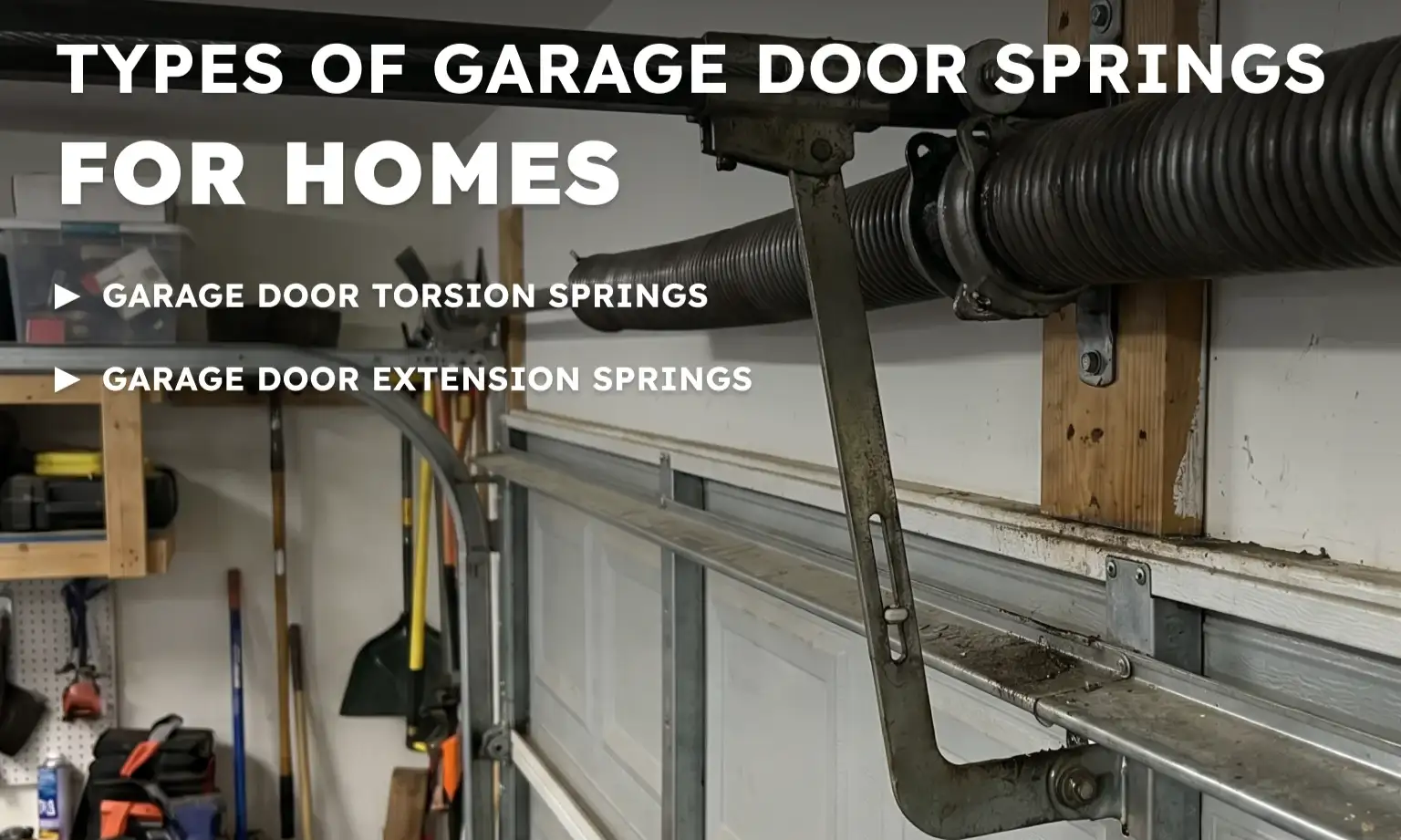
The types of garage door springs used in homes depend on the age of the house and the available headroom in the garage. Identifying which setup you have is the first step in any maintenance or repair.
Garage Door Torsion Springs
This type is the standard for most modern homes. Mounted on a metal shaft just above the top of the door opening, they wind up and down to store energy, providing better balance and control than most other spring types.
Garage Door Extension Springs
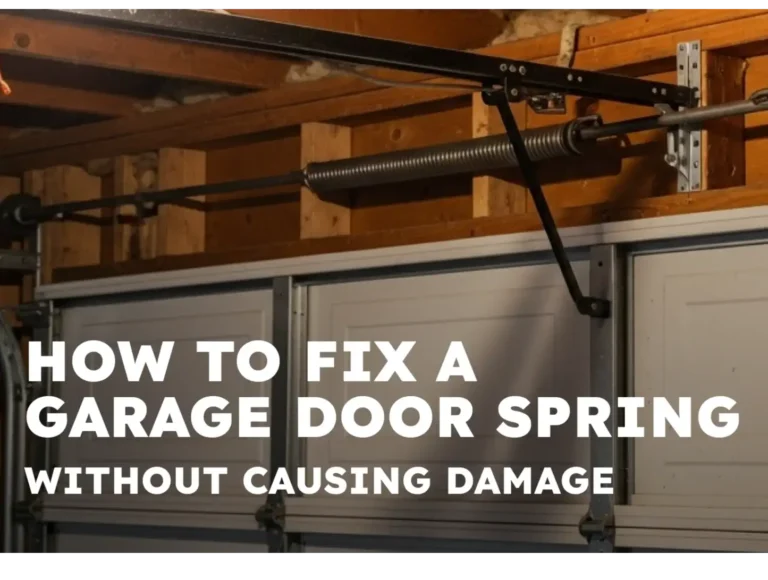
An extension spring garage door system uses springs that run parallel to the horizontal tracks near the ceiling. As the door opens, these springs stretch to help lift it, then contract again as it closes. Because they’re under tension, they rely on safety cables to keep the spring from snapping loose and flying across the room.
Choosing the right replacement requires precision. To get it right, technicians often use a garage door torsion spring chart to match the wire diameter, inside diameter, and overall length to the exact weight of the door. If the spring is too strong or too weak, the door can bounce, slam, or fail to stay in place. If you’re unsure which spring system is best for your home, you can read more about the difference between torsion and extension springs to compare.
How to Tell When Garage Door Springs Are Failing
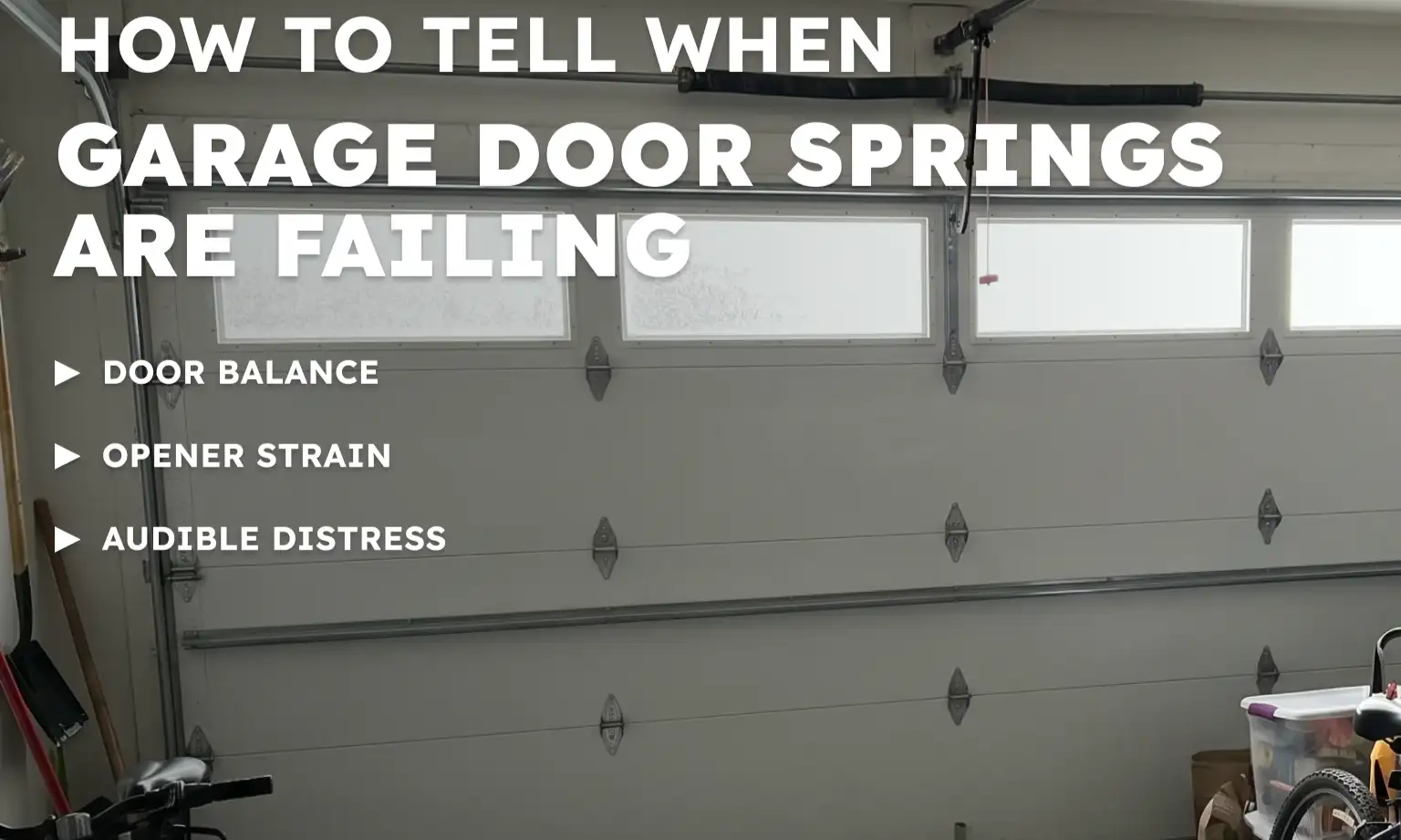
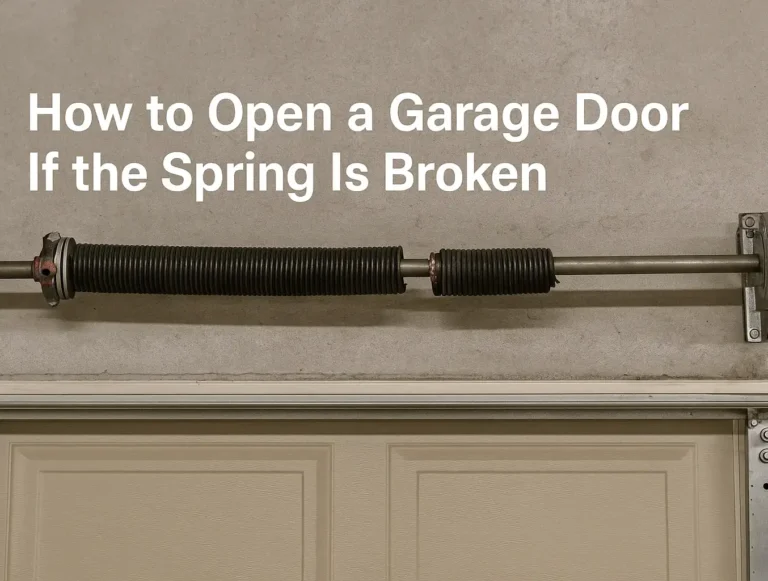
Garage door springs don’t last forever — their life is usually rated in cycles, meaning each full opening and closing counts as one cycle. Over time, the metal fatigues and eventually snaps. Watch for these signs that your springs are nearing the end of their life:
Door Balance
The door looks crooked or struggles to move evenly along the tracks.
Opener Strain
The electric opener hums but fails to lift the door, or stops after only a few inches.
Audible Distress
You hear excessive squeaking, grinding, or a sudden loud bang similar to a gunshot or firework going off.
If you’re trying to make your system last as long as possible, it’s worth learning a few simple habits that help prevent garage door springs from breaking prematurely.
Why Spring Replacement Isn’t a DIY Job
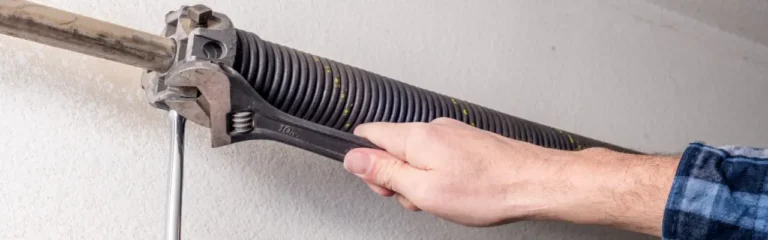
Replacing these parts involves high tension and significant risk. Many homeowners search for how to install garage door springs and cables, but this task usually requires professional training to avoid serious injury. For most households, the safest route is professional garage door springs repair. 24H Garage Doors technicians can set the correct tension, check the balance, and make sure everything operates smoothly without putting you at risk.
Time to Have Your Garage Door Springs Checked?
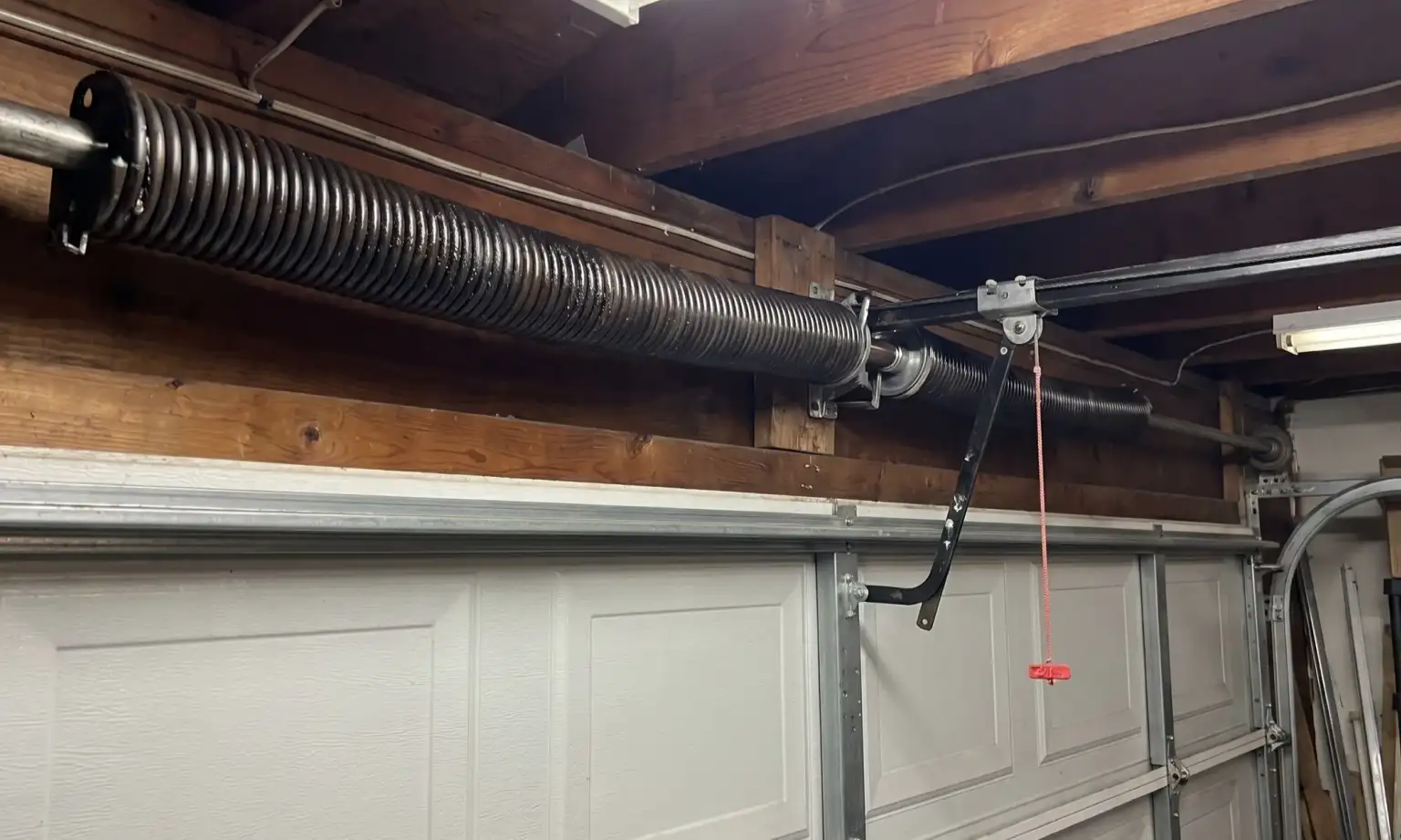
Garage door springs may be small compared to the rest of the system, but they do the heaviest work and have the biggest impact on safety. Whether you have a standard torsion setup or an older extension system, keeping an eye on wear and tear protects your property and family.
If you’ve noticed the door feels heavy to lift, moves unevenly, or makes alarming noises, it’s a good time to have your springs checked. 24H Garage Doors can inspect your setup, match the correct springs to your door, and install them with the right tension and safety hardware so your garage door opens safely and reliably again.
If you’ve noticed the door feels heavy to lift, moves unevenly, or makes alarming noises, it’s a good time to have your springs checked. 24H Garage Doors can inspect your setup, match the correct springs to your door, and install them with the right tension and safety hardware so your garage door opens safely and reliably again.
Frequently Asked Questions
How long do garage door springs last?
Most standard torsion springs are rated for about 10,000 cycles. If you open and close your door four times a day, that lasts roughly 7 years. High-cycle springs are available that can last significantly longer.
Should I replace both springs if only one breaks?
Yes. Since both springs have been under the same tension for the same amount of time, the second one usually breaks within a few weeks of the first. Replacing both saves you a second service call.
Can I open my garage door with a broken spring?
It is not recommended. The garage door opener is designed to move the door, not lift its dead weight. Using the opener while a spring is broken forces it to lift the full weight of the door, which can quickly overheat the motor and bend or crack the top section of the door.
How much does it cost to replace a spring?
Costs vary based on the spring size, type, and labor. Torsion springs generally cost more upfront than extension springs but offer a longer service life.
What are the TorqueMaster garage door springs?
The TorqueMaster garage door spring system is a specific brand design where the springs are contained inside a metal tube above the door. This offers a cleaner look and keeps grease contained, but the internal components are harder to inspect visually.
Frequently Asked Questions
How long do garage door springs last?
Most standard torsion springs are rated for about 10,000 cycles. If you open and close your door four times a day, that lasts roughly 7 years. High-cycle springs are available that can last significantly longer.
Should I replace both springs if only one breaks?
Yes. Since both springs have been under the same tension for the same amount of time, the second one usually breaks within a few weeks of the first. Replacing both saves you a second service call.
Can I open my garage door with a broken spring?
It is not recommended. The garage door opener is designed to move the door, not lift its dead weight. Using the opener while a spring is broken forces it to lift the full weight of the door, which can quickly overheat the motor and bend or crack the top section of the door.
How much does it cost to replace a spring?
Costs vary based on the spring size, type, and labor. Torsion springs generally cost more upfront than extension springs but offer a longer service life.
What are the TorqueMaster garage door springs?
The TorqueMaster garage door spring system is a specific brand design where the springs are contained inside a metal tube above the door. This offers a cleaner look and keeps grease contained, but the internal components are harder to inspect visually.