Garage Door Spring Fix: 5 Mistakes That Can Lead to Catastrophe
Published: Jan 21, 2026
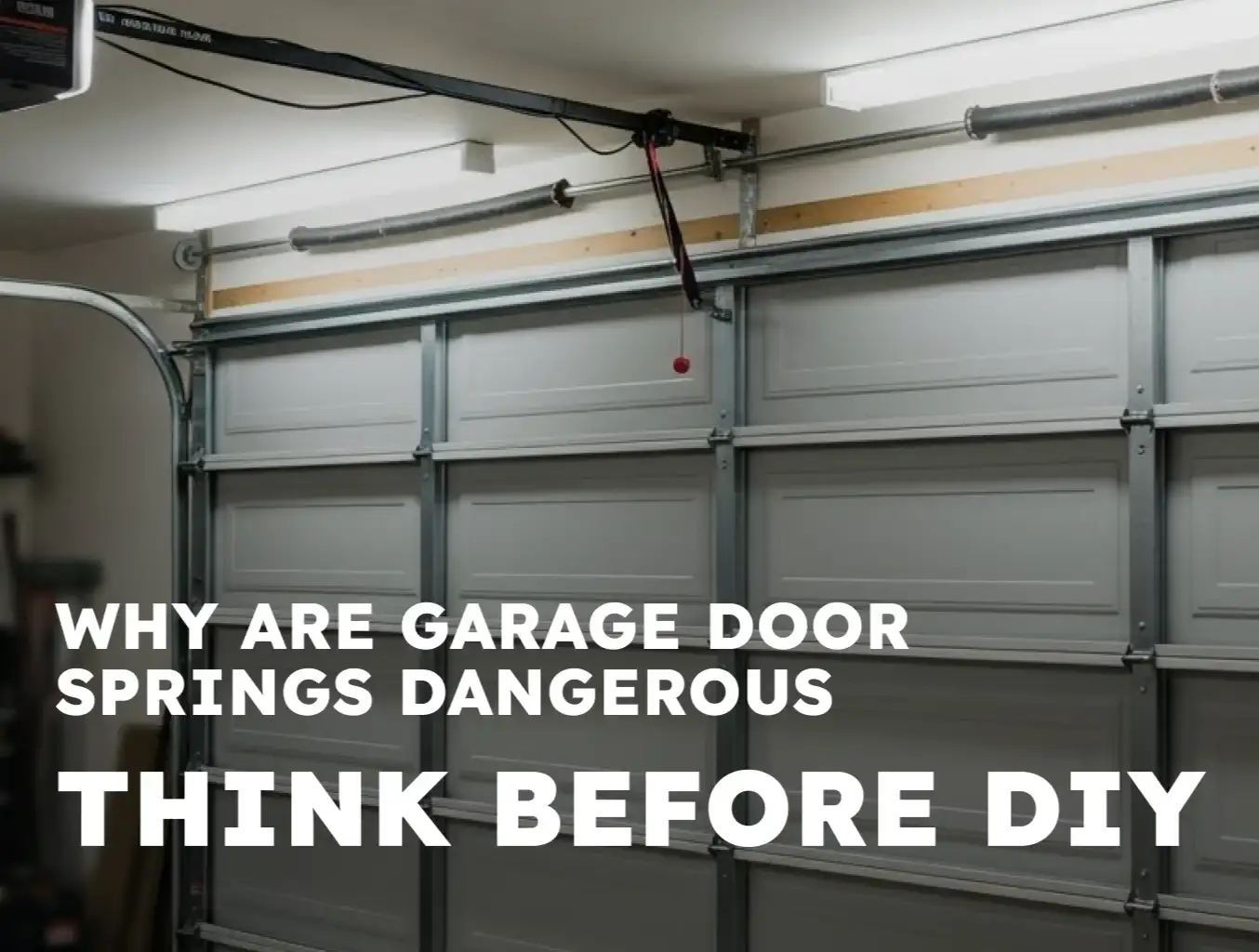
It often starts with a sound you can’t ignore—a sudden, deafening BANG! from the garage. You find your garage door won't open, and a quick look reveals a break in the large spring above the door. Your first thought might be, "I'm pretty handy. How hard can it be to replace a spring?"
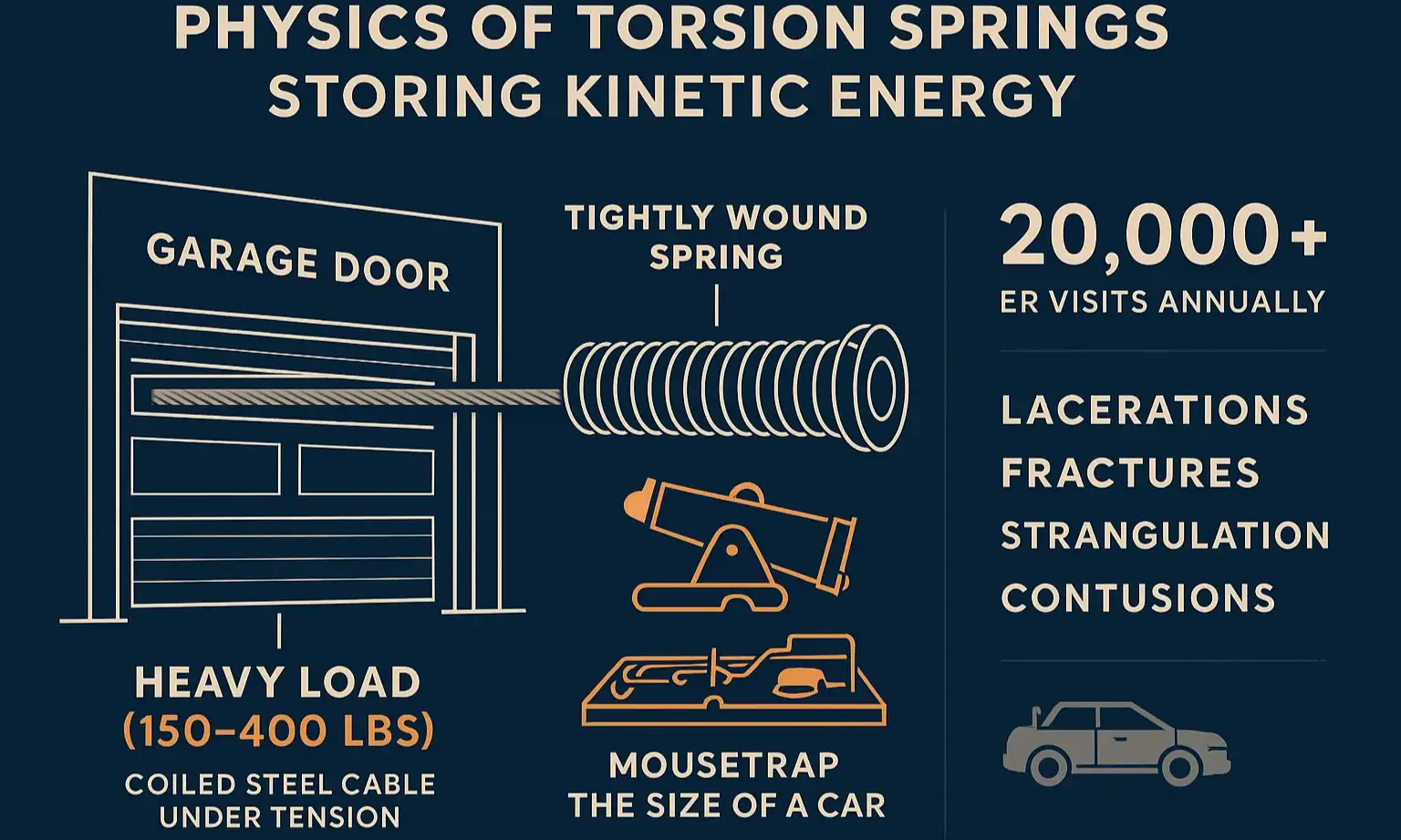
It’s a tempting thought. But that "simple" mechanical part is the single most dangerous component of your garage door system. Attempting a DIY repair without proper knowledge and tools is a primary reason why garage doors are linked to over 20,000 emergency room visits each year. This isn't just about a repair going wrong; it's about life-altering injuries that happen in a fraction of a second.
Before you even think about picking up a tool, let's have a frank conversation—like a knowledgeable friend would over coffee—about why this task is best left to professionals. We’ll explore the hidden forces at play and the common, devastating mistakes that homeowners make every day.
Foundation: The Physics of Danger
The 5 Most Common DIY Mistakes & Their Brutal Consequences
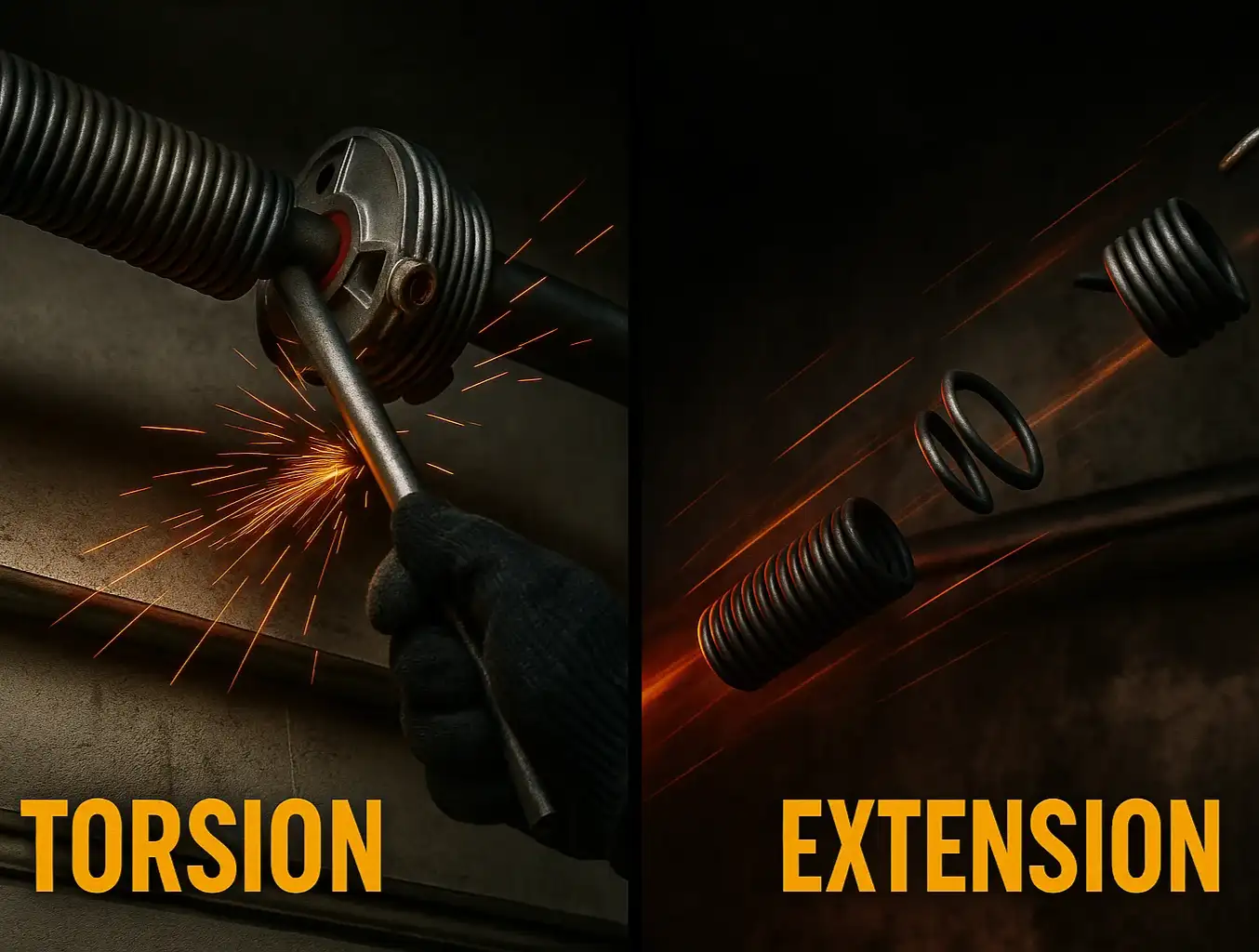
Mistake 1: Using the Wrong Tools (The Projectile Error)
Mistake 2: Mishandling Tension (The Explosive Release)
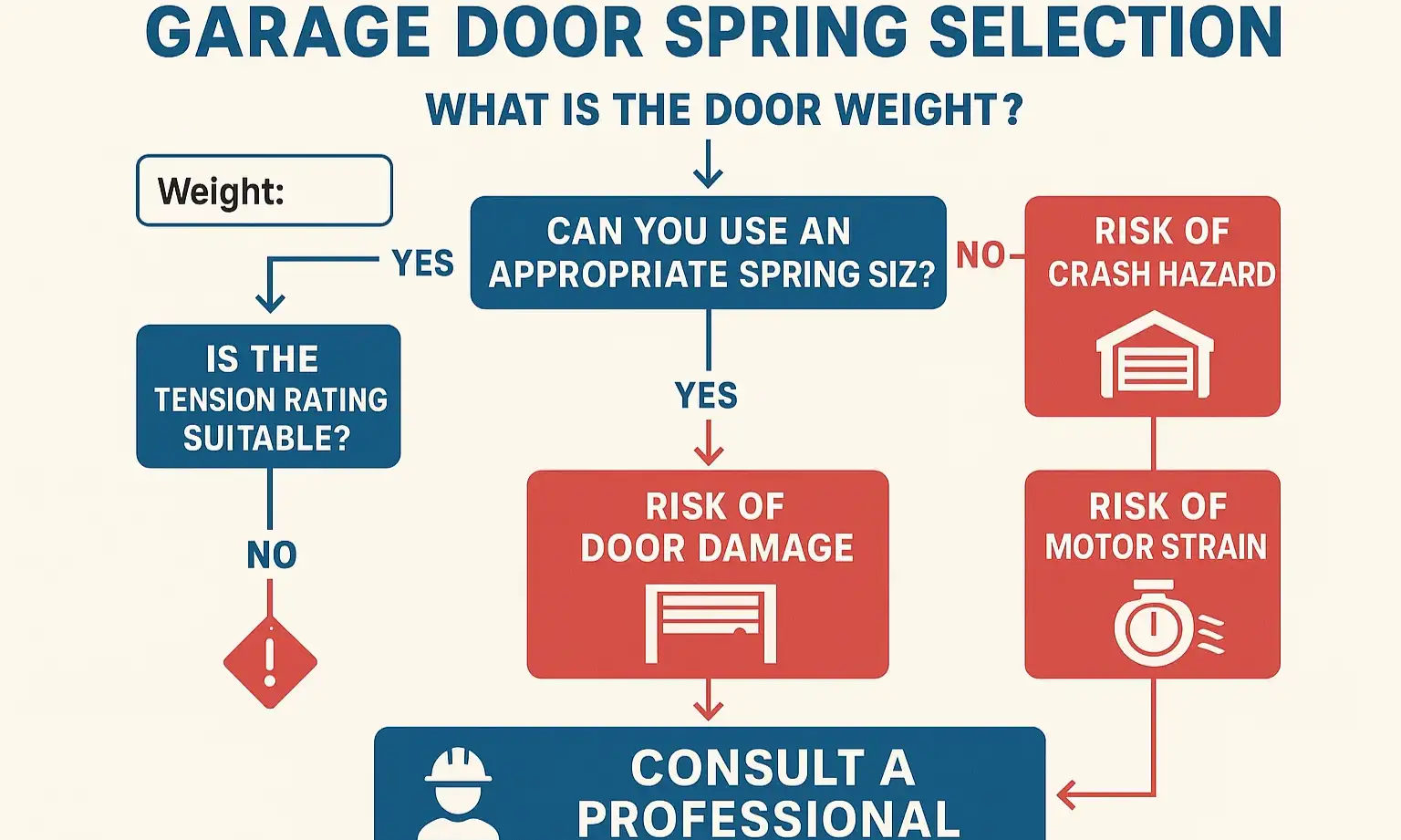
Mistake 3: Buying the Wrong Spring (The Imbalance Catastrophe)
- A spring that's too weak will not be able to support the door's weight. This forces your automatic opener to work too hard, burning out the motor. Worse, if the door is raised manually, it could come crashing down the moment you let go.
- A spring that's too strong can cause the door to fly open uncontrollably or prevent it from closing properly, creating a serious security risk and putting strain on the door panels themselves.
Mistake 4: Neglecting Safety Cables on Extension Springs
Mistake 5: Standing in the "Path of Destruction" (The Danger Zone)
Debunking Dangerous DIY Myths
Action: The Professional's Checklist
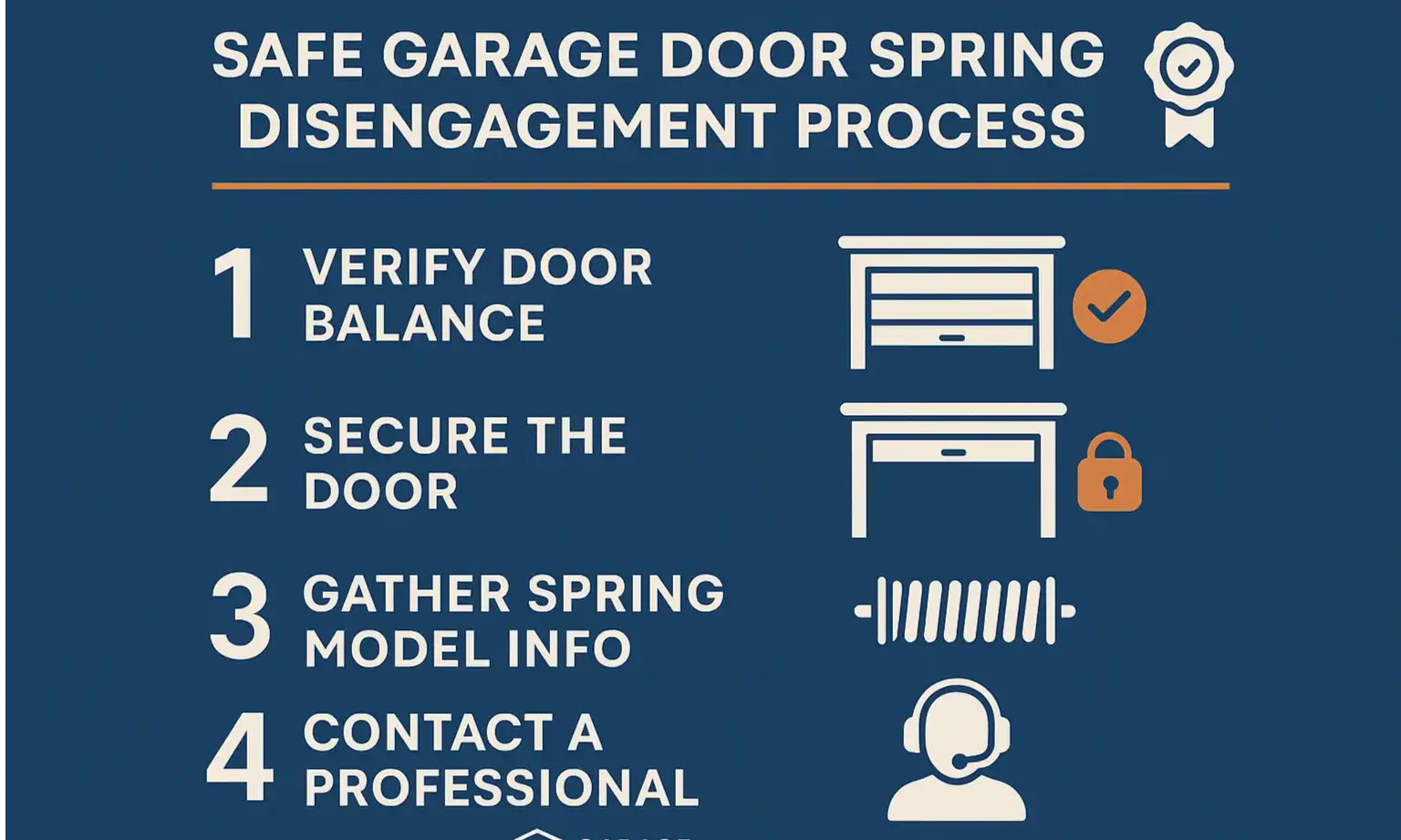
- Do Not Touch Anything: Don't try to operate the door, manually or with the opener. Don't touch the springs, cables, or brackets.
- Secure the Area: Keep kids and pets out of the garage. Move your cars out if you can do so without operating the door.
- Unplug the Opener: This prevents anyone from accidentally trying to open the door, which could cause more damage or cause the door to fall if it's caught on a broken component.
- Gather Information (Safely): From a distance, note the approximate size of your garage door (e.g., single or double). If there are any manufacturer stickers on the door, take a picture. This info helps the technician come prepared.
- Call a Professional: This is the most critical step. A trained technician has the specialized tools, the correct parts, and most importantly, the experience to do the job without risking their life or your property.
Frequently Asked Questions (FAQ)
What are the signs of a failing garage door spring?
What happens if you put the wrong spring on a garage door?
Can I open my garage door with a broken spring?
How many turns should be on a garage door spring?
Your Safety is Not a DIY Project
You may also like